
A social listening strategy is a plan for finding, reading and acting on what people say about your brand, competitors, products and industry across social media, forums, reviews and news. Monitoring tells you that you were mentioned. Listening asks why, what it means and what you should do about it. Done well, it improves customer service, content ideas, product decisions, competitor awareness and early warning of problems. You do not need an expensive tool to begin; you need clear questions, a sensible list of keywords, a routine for reading the results and someone responsible for acting. This guide takes you through setting goals, choosing keywords, picking tools, analysing sentiment and turning insights into work.
What is social listening and how is it different from monitoring?
Social monitoring is reactive and operational: tracking mentions, tags and comments so you can reply quickly. Social listening is analytical and strategic: studying patterns across many conversations to understand attitudes, needs, trends and competitors. Monitoring answers 'who just mentioned us?' while listening answers 'what are customers worried about, and what should we change?'
Both matter, and they use similar tools. A customer care team might own monitoring, while marketing and product teams use listening to guide campaigns and roadmaps. For a small business, one person may do both, so it helps to separate the two tasks in time: a quick daily check for replies and a deeper weekly or monthly review.
Why does social listening matter for Indian businesses?
Indian customers speak in many languages, mix English with Hindi, Marathi or other tongues, and discuss brands on Instagram comments, WhatsApp groups, Google reviews, YouTube comments and local Facebook communities. Much of this conversation never tags you. Without listening, you miss complaints, praise and questions that shape local reputation.
It also reveals language. The words customers use to describe their problem are often different from the words you use on your website. Hearing those phrases helps you write ads, headlines and FAQs that match real search behaviour. For a Mumbai business, local references to traffic, parking, monsoon delays or specific localities can show what matters most.
What goals should your listening strategy have?
Pick two or three goals so the work stays focused. Common ones are protecting reputation, improving customer support, finding content ideas, understanding the competition, discovering potential customers who are asking for recommendations, and tracking campaign reception. Each goal changes which keywords and sources you track.
Write each goal as a question you want answered. For example, what do people complain about most in our category? Which competitors are being praised for delivery? Which questions are asked repeatedly before purchase? Questions like these make analysis easier and stop you from collecting data simply because it is available.
Common goals for a listening plan:
How do you choose the right keywords to track?
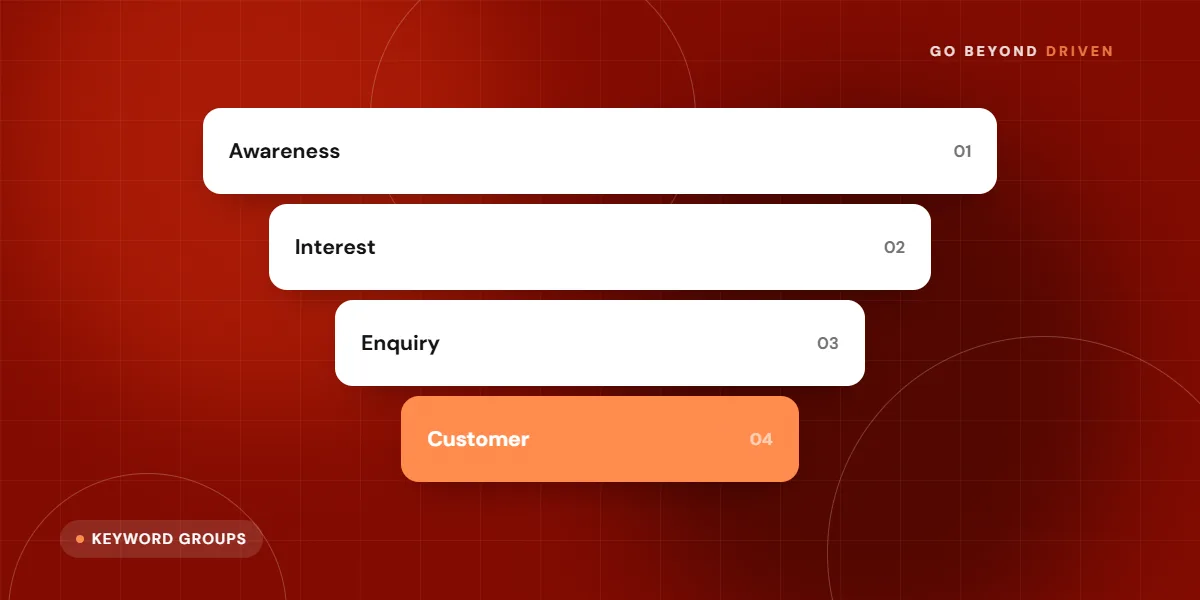
Organise keywords into groups. Brand terms include your business name, common misspellings, product names, founders and social handles. Competitor terms cover rival names and products. Category terms are the phrases people use about your industry, such as 'best wedding photographer Mumbai' or 'laptop on EMI'. Issue terms include words like delay, refund, scam or not working, which can be early warning signs.
Add Hinglish and regional spellings where relevant, because people write 'kharab', 'fraud' or brand names in Roman script in different ways. Use exclusions to remove noise from similar names or unrelated topics. Test searches and refine them every few weeks, since language and trends shift. Review the first week of results and note what is noise: if one keyword brings mostly irrelevant posts, narrow it with an extra phrase or an exclusion, and if a group finds almost nothing, widen it with related words.
Keep a living list in a shared document, with the date each change was made and the reason. This makes it easy for a new team member to understand why a term is there, and stops the same mistakes being repeated when someone leaves.
Which social listening tools and sources can you use?
You can begin with free or built-in options: platform notifications and search, Google Alerts for news and blogs, saved searches on Instagram and X, review monitoring on Google Business Profile and a spreadsheet for notes. Paid tools add broader coverage, dashboards, sentiment analysis, alerts and reports, and may suit larger brands or agencies.
Check what each tool really covers. Some do not index private groups or WhatsApp, and language detection for Indian languages can vary. Test a free trial against known mentions to see what is missed. Do not rely on automated sentiment alone; sarcasm and mixed language often confuse it. Pair tools with human reading of a sample of mentions. Also check how far back a tool can search, because some free plans show only recent days, which is not enough to spot a pattern.
Set up alerts carefully. Too many notifications are ignored, while too few miss a developing issue. Send urgent items such as safety claims, legal words or sharp spikes straight to a named person by phone or messaging app, and send routine mentions into a daily or weekly digest.
FAQs: Which social listening tools and sources can you use?
Can I do social listening for free?
Yes, on a small scale. Use platform searches, Google Alerts, review notifications and a simple sheet. Paid tools add scale, history and analysis, but are not needed on day one.
Does social listening cover WhatsApp?
No. WhatsApp conversations are private, so listening tools cannot see them. Learn from the chats you have with customers directly, with their consent where required.
How do you read sentiment without being fooled?
Sentiment scores label mentions as positive, negative or neutral, and give a quick overview, but they are blunt. A post saying 'amazing, my order took only three weeks' may be flagged positive while describing a failure. Always read a sample of mentions behind the chart, especially at turning points.
Look at themes, not just scores. Tag mentions by topic, such as pricing, delivery, staff behaviour, quality or app experience, and by type, such as complaint, question, praise or recommendation request. A weekly count by theme tells you what to fix. A sudden spike in a single theme tells you where to look first. Add a column for language, because a complaint in Hindi or Marathi may need a different reply from someone who understands the tone, not just a translation.
How can listening improve content and customer service?
For content, collect the questions people ask repeatedly and answer them in Reels, blog posts and FAQs. Save the exact phrases customers use and reflect them in your ads and page headlines. Our guide on how to write FAQ content shows how to turn questions into helpful pages.
For service, create a routine to answer public questions and complaints quickly, then follow up in private. Use listening to spot shared issues, such as an app glitch, and tell customers what you are doing before they ask. If the volume is high, a shared inbox and saved replies help your team respond consistently without sounding robotic.
How do you use listening to understand competitors and find leads?
Track what customers praise and complain about in competitors, what offers get attention and how competitors handle criticism. Do this ethically and from public information only. The goal is to learn what customers value, not to copy campaigns or attack others by name.
Listening also finds people asking for recommendations, such as someone in a community group asking for a good interior designer in Thane. Reply only where it is allowed and welcome, with helpful information, not spam. Sometimes the best action is to improve your visibility where those searches happen, through your Google profile and content. See our online reputation management page for related support.
A weekly listening routine:
How do you turn insights into action and reports?
Insight only helps if someone acts. After each review, write down two or three decisions: a content topic to make, a process to fix, a reply template to update, a message for sales. Assign an owner and a date. Without this step, listening becomes a report no one reads.
Keep your reporting short. Include main themes, notable examples, changes since last time and actions taken. Share it with marketing, support and leadership. It can feed directly into your wider plan; see our guide to social media metrics to track for tying listening to measurable outcomes. For crises, link your process to your escalation plan in our social media crisis management guide.
Final thoughts
A social listening strategy begins with questions, not tools. Define goals, build keyword groups, read real mentions, tag themes and make sure each review ends with a decision. Start small and improve it monthly. If you would like help setting up a listening routine for your brand, Go Beyond Driven can review your channels in a free marketing audit, or support you through our social media marketing services. Call +91 91378 79539 or email gobeyonddriven@gmail.com.