
Social media crisis management is the set of steps a brand takes to spot a damaging situation early, respond honestly and quickly, and recover trust afterwards. A crisis might be a viral complaint about a product, a mistaken post, an employee controversy, a data problem or a wave of angry comments after a campaign. It does not have to be huge to hurt a small business: one bad review thread shared in a local group can cost real customers. The brands that cope best are those that prepared before anything happened. This guide gives you a plan covering severity levels, approvals, the first hour, wording, follow-up and what to learn from each incident.
What counts as a social media crisis?
A crisis is any situation where public attention on social media threatens your reputation, safety, sales or legal position, and where normal day-to-day replies are not enough. A single unhappy customer is a complaint. Fifty people repeating the same complaint, a journalist asking questions or a screenshot spreading in community groups is a crisis in the making.
Typical triggers include product or service failures, misleading claims, insensitive content, a staff member's conduct, a data leak, a supplier problem, and an old post being resurfaced. Some crises come from outside, such as false rumours or coordinated attacks. Defining these categories in advance helps your team recognise trouble quickly instead of arguing about whether it matters.
How do you prepare before a crisis happens?
Write a one-page plan. Name who monitors social channels, who decides on public responses, who handles legal or regulatory questions, and who speaks to the media. Include phone numbers, since email is too slow at midnight. Keep a list of all accounts and who holds the logins, with two-factor authentication and removal of former staff access.
Set up monitoring so you do not learn from a customer's phone call. Alerts for your brand name, product names, founders and common misspellings are a start; our guide to social listening strategy explains how. Also prepare holding statements for likely scenarios, so a first response can go out in minutes rather than hours.
What your crisis sheet should include:
How do you judge the severity of a situation?
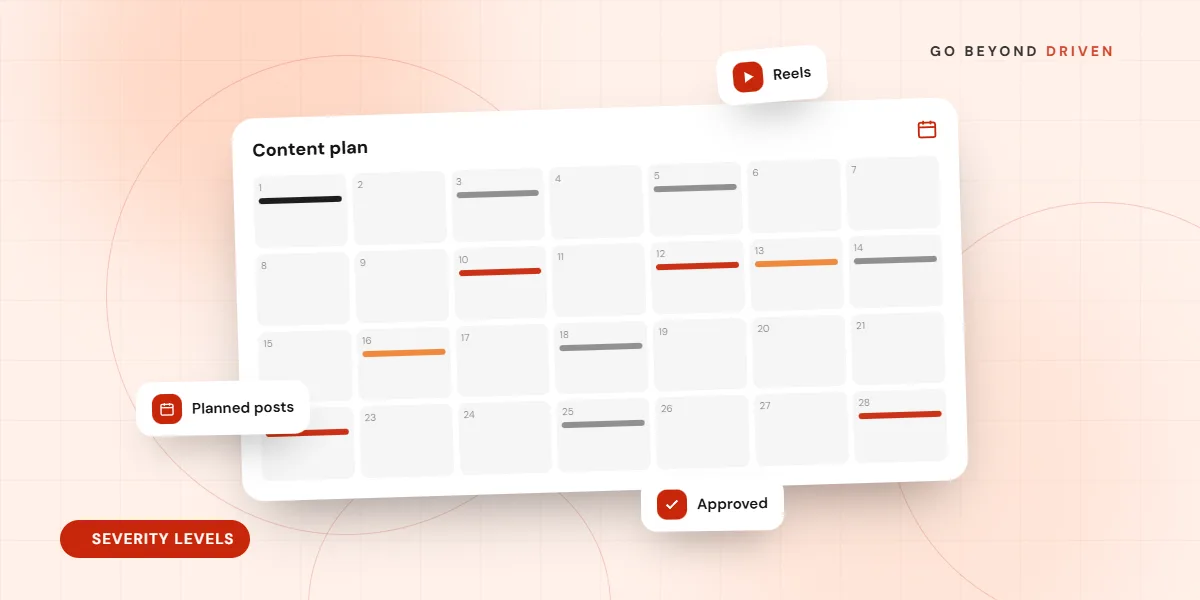
Create three simple levels. Level one is a contained complaint that the community manager can answer using standard guidance. Level two is a spreading issue that needs a manager's approval and possibly a public statement. Level three involves safety, legal exposure, major media or a serious allegation, and goes straight to leadership.
Judge by speed, spread, source and substance. How fast is it growing? Is it reaching people outside your followers? Who is amplifying it? Is the claim true, partly true or false? Agree in advance which signals push an issue up a level, so people are not afraid to escalate. Over-escalating a small matter is far safer than ignoring a big one.
Practice helps. Once or twice a year, run a short drill with a made-up scenario, such as a customer posting a photo of a faulty product that gets shared in a Mumbai residents group. Time how long it takes to find the facts, draft a reply and get approval. The gaps you discover in an hour of practice are cheaper than the ones you meet live.
What should you do in the first hour?
First, pause scheduled posts so you do not publish a cheerful promotion in the middle of a storm. Second, gather facts: what happened, what is confirmed, who is affected. Third, assign one person to coordinate, and one to monitor comments. Do not delete criticism unless it breaks platform rules, since deleting often becomes the new story.
Then acknowledge. A short, honest note saying you are aware, are looking into it and will update by a specific time is better than silence. Avoid guessing, blaming the customer or arguing in the comments. If there is a safety risk, say what people should do now. Take detailed conversations to direct messages or phone calls, and keep a record of every action. Brief the customer service team too, so phone and WhatsApp replies match what you say publicly. Mixed messages from different channels are one of the quickest ways to make a manageable problem look like a cover-up.
How do you write an apology that works?
A good apology is specific, accountable and practical. Name what went wrong in plain words, say you are sorry for the impact, explain what you are doing to fix it and say when you will update. Avoid phrases like 'if anyone was offended', which shift blame onto the audience. Do not hide behind jargon or legal-sounding language.
Match the tone to the situation. A delayed delivery calls for a calm, practical note. A serious breach of trust may need a statement from the founder, ideally on a video or a clear text post. Do not apologise for things that did not happen, and do not admit legal liability without advice. Where the claim is false, correct it politely with evidence and avoid attacking the person who posted it.
FAQs: How do you write an apology that works?
Should the founder always respond personally?
Not always. Use the founder for serious breaches of trust or when customers are seriously affected. For routine issues, a named team member responding calmly is usually enough.
Is it ever right to stay silent?
Sometimes, when a post is false, tiny and not spreading, and a reply would only amplify it. Monitor closely and decide using your severity levels, not instinct.
How should you handle negative comments and reviews?
Reply to criticism in public once, with empathy and a path to resolution, and move specifics to a private channel. Use the person's name, thank them for raising it and avoid copy-paste templates. Other readers judge you by how you respond, so write for them as well as for the complainant.
Hide or remove only abusive, hateful, spam or illegal comments, and keep your moderation rules visible. For fake reviews, report them through the platform's process rather than arguing. If you want a structured approach to feedback on review sites, our page on online reputation management in Mumbai explains common options.
What about influencers, employees and agencies?
Many crises begin with someone speaking on the brand's behalf. Give influencers and agencies a short brief with claims they must not make, disclosure requirements and an escalation contact. Employees need a simple social media policy that explains what they can say about work, and who to tell if they see a problem.
If a partner or creator causes an issue, decide quickly whether to correct, pause or end the relationship, and communicate that calmly. Do not publicly attack them. Review contracts so they include content approval, takedown timelines and responsibilities. Our guide to influencer marketing for Indian brands covers briefs and disclosure.
Remember that a regional or cultural misstep can travel fast in India, where one post may be read by audiences with very different languages, beliefs and sensitivities. Before a festival or sensitive-date campaign, have someone outside the creative team read it, and keep scheduled content flexible enough to pull if events change.
How do you recover after the crisis?
Once the situation calms, close the loop. Update people who were affected, share what changed, and thank those who raised the issue. Resume normal content gently, with posts that reflect real improvements instead of pretending nothing happened. Keep monitoring for a few weeks, since stories often resurface.
Then hold a review. What was the first signal? How long did it take to respond? Which approvals slowed you? Update your plan, your holding statements and your training. Record the lessons in a short document. A crisis handled openly can, over time, build more trust than a spotless record that was never tested.
Post-crisis review questions:
Final thoughts
Social media crisis management is mostly preparation, speed and honesty. Know who decides, monitor for early signs, respond with facts and care, and learn from every incident. Go Beyond Driven can help review your processes, monitoring and community responses through a free marketing audit, or via our social media marketing services. Call +91 91378 79539 or email gobeyonddriven@gmail.com.