

To choose the right social media agency in Mumbai, start with your own goals, then shortlist agencies that have worked with businesses like yours, ask how they plan, create, run ads and report, check who will actually handle your account, and make sure you own your pages, ad accounts and creative files. A good agency talks about enquiries and sales, not just followers, gives you a clear scope and price, and shows you a plan for the first 90 days. This guide gives you a step-by-step checklist, the exact questions to ask in the first meeting, the red flags that should make you walk away and what strong onboarding looks like.
Start With What You Need, Not Who Is Popular
Before you look at a single portfolio, write down what you want social media to do for your business in the next six to twelve months. More enquiries for a clinic in Ghatkopar? Footfall for a cafe in Juhu? Online sales for a D2C label? Demo requests for a B2B software firm? Each goal points to different skills. A brand-heavy creative studio may be perfect for a fashion label and a poor fit for a B2B company that needs LinkedIn and lead generation.
Also be honest about what you already have. Do you have an in-house designer, a marketing manager or a founder who enjoys being on camera? Do you have product photos, a working website and a CRM? An agency should fill the gaps, not duplicate what you already do well. Finally, set a realistic budget range for agency fees and a separate range for ad spend. Knowing these numbers upfront saves time for everyone and leads to far more useful proposals.
Decide these before you shortlist:
What Does a Good Social Media Agency Actually Do?
A good agency does far more than post on your behalf. It starts with research into your audience, competitors and current performance, then builds a strategy with clear goals, content pillars and platform choices. It plans a monthly calendar, creates designs, Reels and captions that sound like your brand, publishes on schedule and manages comments and messages. Where relevant, it runs paid campaigns, works with creators and connects social media to your website, WhatsApp and CRM.
Just as important, a good agency measures and improves. It shares regular reports that link activity to business results, explains what worked and what did not, and adjusts the plan. It asks for your input, pushes back politely when an idea will not serve your goals and keeps you informed without needing to be chased. Our guide on social media marketing strategies shows the kind of thinking a strong agency should bring to the table.
The Agency Selection Checklist
Use this checklist when you compare shortlisted agencies. First, relevant experience: have they worked with businesses in your category or with a similar audience? Second, the team: who will be your day-to-day contact, who creates the content, and how senior are they? Third, process: how do they plan, approve and publish content? Fourth, creative quality: does their recent work look fresh and on-brand, or templated? Fifth, paid media skills: can they run and track ads properly, or do they only boost posts?
Sixth, reporting: what will you receive each month, and does it include enquiries, sales or leads? Seventh, ownership: will your accounts, ad account and files stay in your name? Eighth, communication: how quickly do they respond, and through which channels? Ninth, contract terms: what is the minimum period, notice period and what happens if you leave? Tenth, culture fit: do they understand your customers in Mumbai and speak their language, literally and figuratively? Score each agency honestly on all ten.
Score each agency on:
What Questions Should You Ask in the First Meeting?
Ask questions that reveal how the agency thinks, not just what it sells. What would you do in the first 30, 60 and 90 days for a business like ours? Which metrics would you use to judge success, and how will you report them? Who exactly will work on our account, and how many other clients do they handle? How do you decide what content to make each month? How do you handle approvals and revisions? What do you need from us to do your best work?
Then ask about the harder topics. Can you share an example of a campaign that did not work and what you changed? How do you run and track paid ads, and will the ad account be in our name? What happens if we want to end the contract? How do you handle negative comments or a social media crisis? A confident agency answers these clearly and honestly. Vague answers, heavy jargon or promises of quick viral success are worth noting as warning signs.
FAQs: What Questions Should You Ask in the First Meeting?
Should I ask for a free trial or sample posts?
Asking for unpaid spec work is common but not always fair to agencies. A paid pilot month or a short strategy workshop is often a better way to test fit and quality.
How many agencies should I speak to?
Three to five is usually enough. Fewer limits your comparison, and more makes the process slow and confusing. Shortlist based on relevant experience before taking meetings.
Should the founder of the agency be involved?
In smaller agencies, founder involvement at strategy level is a good sign. In larger ones, focus on the seniority and experience of the people actually handling your account.
How Do You Read a Portfolio and Case Studies?
Portfolios show what an agency can make. Case studies show what it can achieve. Look for both. When reviewing creative, check the agency's recent work on live accounts, not just polished mockups. Are the Reels well hooked and edited? Do different clients' feeds look distinct, or does everything look the same? Is the writing sharp, local and on-brand? Look at comments too, since an active, positive community suggests the content is reaching the right people.
In case studies, look for the problem, the approach and the result, ideally linked to business outcomes such as enquiries, sales or bookings. Be cautious of case studies that only mention follower growth or impressions. Ask how the results were measured and over what period. A good agency will be happy to talk through the details and may offer references you can call. You can see how we present our own work on our case studies page.
What Should a Proposal and Contract Include?
A strong proposal starts with your goals and a short diagnosis of where you are today, then explains the strategy, platforms, content mix and paid approach. It should list exact deliverables each month: number of posts, Reels, stories, shoot days, community management hours, ad campaigns and reports. It should state the timeline for onboarding, the approval process, the number of revision rounds and who your contacts are. The fee, what it includes and whether GST is extra should be crystal clear.
The contract should confirm that you own your social media accounts, ad accounts, content and creative files, and that the agency will return or hand over everything if you part ways. It should state the minimum term, notice period, payment schedule and how ad spend is billed. Confidentiality, use of your brand in the agency's portfolio and a process for resolving disputes should also be covered. If any of this is missing, ask for it before you sign.
A good proposal includes:
How Much Should a Good Agency Cost?
Prices vary widely with scope, video volume, platforms, team seniority and paid media management. Freelancers usually cost less, small agencies sit in the middle and full-service agencies with production and ads cost more. The cheapest quote rarely delivers the best results, and the most expensive is not automatically the best either. Compare quotes on deliverables, team, process and reporting, not just the monthly fee. Our breakdown of social media marketing costs in Mumbai explains typical ranges and what drives them.
FAQs: How Much Should a Good Agency Cost?
Is a percentage of ad spend a fair fee model?
It can be at higher budgets. At smaller budgets, a flat fee is often simpler and fairer. The key is that ad spend is visible and billed through your own ad account.
Should I sign a long contract to get a lower price?
Be careful. A three-month initial term with a review is usually safer. Longer commitments make sense once the agency has shown progress against agreed goals.
Red Flags That Should Make You Walk Away
Some warning signs are easy to spot. Guarantees of followers, likes or viral content are a major red flag, since these can be faked and do nothing for your business. So is any agency that wants to create your ad account under its own name or refuses to give you admin access to your own pages. Be wary of very low prices for very high volumes of content, which usually means templates and recycled stock images. Watch out for proposals with no strategy, only a list of posts.
Other red flags include slow or evasive replies during the sales process, which rarely improve after you sign, case studies that never mention business outcomes, reluctance to share references, long lock-in contracts with heavy exit penalties, and teams that do not ask questions about your customers. If an agency does not try to understand your business before quoting, it is unlikely to market it well. Trust your instincts. A good partnership should feel clear and collaborative from the first conversation.
Walk away if you see:
Local Mumbai Agency or Remote Team?
Many brands work well with remote teams, but a Mumbai-based agency offers practical advantages. It can attend shoots at your store, office or site, meet you in person when needed and understand local culture, festivals, neighbourhood differences and the way people across the city talk and buy. That local knowledge shows up in sharper content and better ad targeting. For businesses with physical locations, being able to run regular shoots without travel costs is a real benefit.
That said, location matters less than fit. A strong agency can run meetings online and still deliver excellent work, and many Mumbai agencies, including ours, work with clients across India. What matters is responsiveness, understanding of your market and the quality of the team handling your account. If you are based in a specific suburb, it can help to see how an agency approaches your area, for example our page on social media marketing in Powai.
What Does Good Onboarding Look Like in the First 90 Days?
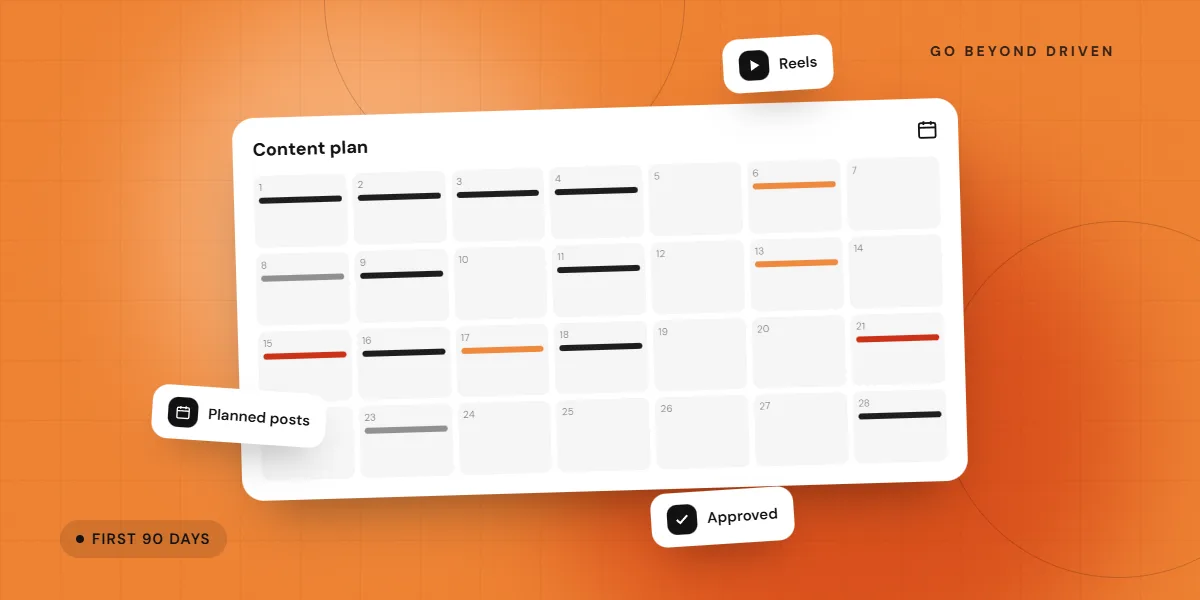
The first month should focus on setup and learning: a kickoff meeting, access to accounts, a review of past performance, competitor research, brand guidelines, content pillars and tracking setup. You should see a content calendar for approval before anything goes live. The second month should bring steady publishing, early ad tests and the first proper report with initial learnings. The third month should show refinement: more of what works, less of what does not, and a clear plan for the next quarter.
Throughout this period, expect regular communication, quick responses and honest updates, including about content that underperformed. Your role is to share information, approve on time and give clear feedback. If, after three months, the agency cannot explain what it has learned and how results are trending, that is the time for a frank review. Most good partnerships take a few months to hit their stride, but the direction of travel should be visible early.
Final Thoughts
Choosing a social media agency in Mumbai is easier when you know your goals, compare agencies on the same checklist, ask direct questions and insist on ownership of your accounts. Look for a partner that talks about business results, shows real work and gives you a clear plan for the first 90 days. If you would like to see how we work, our social media marketing agency team is happy to talk. Book a free marketing audit, call +91 91378 79539 or email gobeyonddriven@gmail.com, and we will review your current social media and share honest recommendations.