
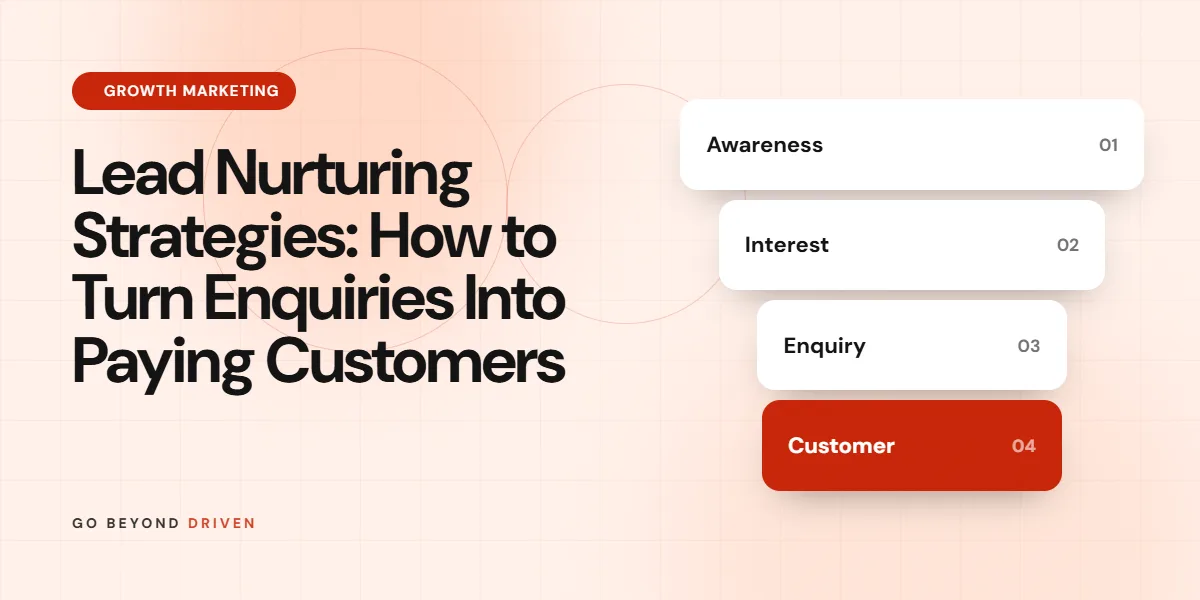
Lead nurturing strategies are the planned steps you take after someone enquires to build trust and guide them towards a decision, even when they are not ready to buy yet. Most leads do not convert on the first contact. They compare options, wait for budget, discuss with family or colleagues and forget. Nurturing keeps your business in mind with timely, useful messages by call, WhatsApp and email until the person is ready. It is often the cheapest way to improve sales, because the lead has already been paid for. This guide covers how to respond fast, segment leads, design follow-up sequences, choose content for each stage, score interest and know when to hand a lead to sales or let it go.
What is lead nurturing and why does it matter?
Lead nurturing is the process of building a relationship with prospects over time through relevant, helpful communication until they are ready to buy. It sits between getting an enquiry and closing a sale, and it applies to businesses with considered purchases such as property, education, healthcare, interiors, B2B services and high-value products.
It matters because buying takes time. A parent comparing coaching classes or a company evaluating a software vendor may take weeks. If you only contact them once, a competitor who stays helpful gets the sale. Nurturing makes sure your effort on ads and SEO is not wasted when a lead says, call me later.
Consider a family enquiring about a 2 BHK in Thane. They may visit three projects, wait for a loan decision and return after Diwali. A developer who sends a neighbourhood guide, a payment-plan explainer and a polite check-in at the right moments is far more likely to be remembered than one who called once and gave up.
How fast should you respond to a new lead?
As fast as possible, ideally within minutes. A lead who enquires is thinking about you right now, and may also be enquiring with others. A quick call or WhatsApp message with a clear next step often beats a better offer that arrives a day later. If your team cannot reply instantly, use an automatic acknowledgement and call within the hour.
Make the first response personal and specific: use their name, mention what they asked about, answer one question and propose a time to talk. Avoid dumping a brochure and a long list of questions. Our guide on how to reduce cost per lead explains why speed and follow-up affect the cost of each customer.
A strong first response includes:
How do you segment leads before nurturing them?
Not all leads are the same, so do not send them all the same messages. Group them by what they asked for, where they came from, their budget, their timeline and how engaged they are. A buyer who wants to visit a property this month needs different messages from one who is just exploring for next year.
Capture this information with a short form, a first call or a qualifying question on WhatsApp. Record it in a CRM or sheet. Our CRM for small business guide explains how to set one up. Even three simple segments, such as ready now, researching and not a fit, can improve results.
Be honest about fit. A lead outside your service area or budget wastes your team's energy and can leave the customer disappointed. Politely say so, perhaps suggest an alternative, and move on. Time saved on poor-fit leads can go to people you can genuinely help.
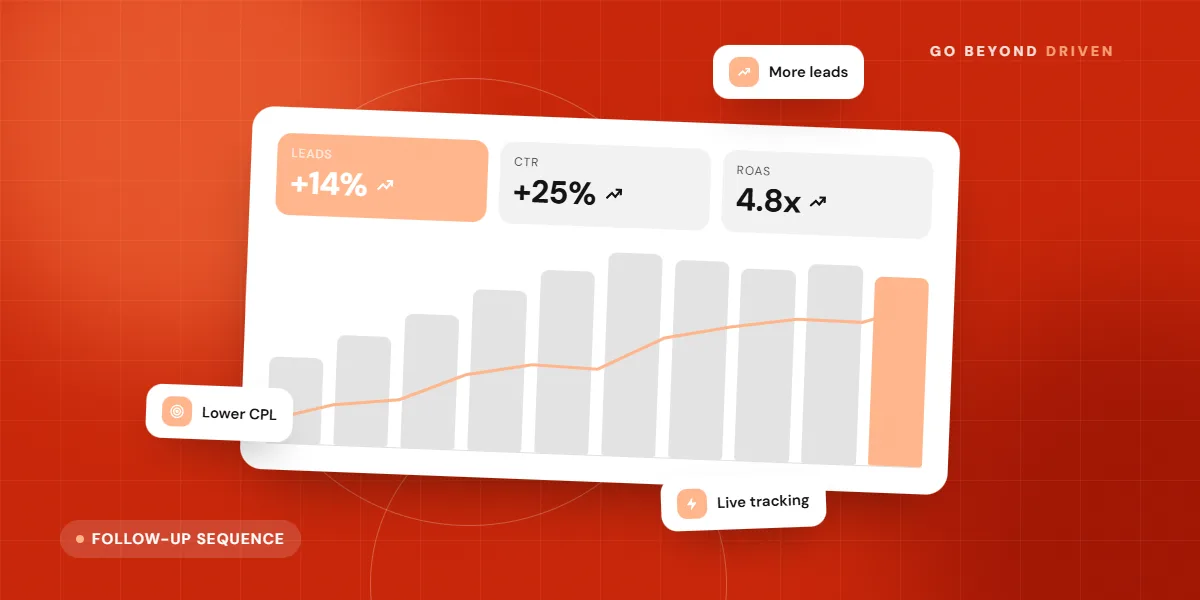
What does a good follow-up sequence look like?
Spread contact over days and weeks with a mix of channels and a purpose behind each touch. For example: a call and WhatsApp on day zero, a helpful guide or sample on day one or two, a short question or case example on day four, a testimonial or comparison on day seven, an invitation to visit or book on day ten, and a final check-in later. Adjust the pace to your sales cycle.
Each message should add value: answer a doubt, share proof or make the next step easier. Avoid messages that only say just following up. Stop the sequence when the lead replies, and move them to a conversation. Our guide to drip campaigns shows how timed sequences are structured.
FAQs: What does a good follow-up sequence look like?
How many follow-ups are too many?
It depends on the sale. Three to six well spaced, useful touches over a few weeks is common. Stop when a lead asks you to or clearly loses interest.
Should I call or message first?
Try a call if the lead gave a number and expects contact, then follow with a WhatsApp message summarising it. Respect timing preferences, such as evenings or weekends.
Which channels work best for nurturing leads in India?
WhatsApp is the most direct channel for many Indian buyers, because people read and reply quickly. It suits quick questions, photos, brochures, appointment reminders and personal check-ins. Phone calls remain powerful for high-value or complicated decisions. Email suits detailed guides, comparisons and newsletters. Retargeting ads keep your brand visible between conversations.
Combine them without overloading the person. If someone replies on WhatsApp, continue there. Use opt-in and approved templates for business messaging, and offer an easy way to stop. Our WhatsApp marketing services page describes responsible set-up, and our retargeting ads strategy guide covers the paid side.
What content should you send at each stage?
Early on, send educational material that answers basic questions: a buying guide, checklist or short video explaining the process. In the middle, send proof and comparison: case studies, testimonials, FAQs, pricing guidance and samples of work. Near the decision, send practical help: a site visit invitation, a demo slot, a trial or a clear quote with next steps.
Write for the person, not the funnel. Mention local details when relevant, like travel time, nearby landmarks or festive timing. Avoid exaggerated urgency. If there is a genuine deadline, say so plainly. Honest, useful content builds trust that discounts cannot.
Match format to habit. Many leads prefer a one-minute voice note or a short video walkthrough over a long email. A clinic can send a clip showing how a first consultation works; an interior designer can share a quick tour of a finished flat. Short, human content tends to get opened and remembered.
Content ideas for nurturing:

How does lead scoring help?
Lead scoring gives points for signs of interest and fit, so your team calls the warmest leads first. Add points for actions like replying, opening several emails, visiting the pricing page, asking for a quote or booking a visit. Add or subtract points for fit, such as budget, location and decision-making role.
Keep scoring simple. You do not need complex software to start; a sheet with a few rules works. Review it by checking whether high-scoring leads actually convert more. Adjust the rules over time. When a lead reaches a defined score or says they are ready, hand over to a salesperson with the full history so they do not start from zero.
How do you measure and improve lead nurturing?
Measure the nurturing process itself, not only final sales. Track response time, contact rate, reply rate, lead-to-opportunity rate, lead-to-customer rate and the time from enquiry to sale. Compare by source, segment and sequence version. Also record why leads were lost, whether price, timing, a competitor or no response.
Test one change at a time: a new first message, a different follow-up timing or a better case study. Read the actual replies, since they show what worries people. Share findings with your marketing team, so ad targeting and landing pages improve as well. Nurturing is a loop, not a one-time script.
Finally, protect the relationship. Leave a polite door open for leads who say no, with a final message that thanks them and invites contact later. Many return months afterwards, and they remember who respected their decision instead of chasing them with repeated calls.
Final thoughts
The best lead nurturing strategies are simple and consistent: reply fast, understand what each lead needs, follow up with useful messages and know when to step back. Build a short sequence, measure it and improve it monthly. If you would like help setting up follow-up flows and tracking for your enquiries, Go Beyond Driven offers a free marketing audit. Call +91 91378 79539 or email gobeyonddriven@gmail.com.