
Drip email campaigns are automated sequences of emails sent over days or weeks, triggered by something a person does, such as signing up, abandoning a cart, downloading a guide or booking a demo. Instead of sending the same message to everyone, a drip delivers the right message at the right moment, one step at a time. For small and mid-sized Indian businesses, drips are one of the most efficient forms of marketing because you build them once and they work for every new contact. This guide explains how drip campaigns work, which ones to build first, how to write and time them, and how to measure whether they are earning their place.
What is a drip campaign and how does it work?
A drip campaign is a set of pre-written emails that go out automatically according to rules. The rule might be time based, such as one email two days after sign-up, or behaviour based, such as sending a reminder only if the person did not open the last email or click the link. The sequence ends when the goal is met or the contact stops engaging.
It differs from a newsletter, which is a one-off message to the whole list on a schedule you choose. A newsletter says what is new this week. A drip says what this person needs next. Most businesses need both, but the drip often brings quicker revenue because it speaks to people when their interest is fresh.
Which drip campaigns should you build first?
Begin where the intent is highest. A welcome series for new subscribers, an abandoned cart or browse sequence for online shops, a lead nurture sequence for enquiries that did not convert, and a post-purchase sequence for onboarding, reviews and repeat orders. Four flows cover most of the value for a typical small business.
B2B firms might start with a demo follow-up series and a proposal reminder. Coaching institutes might start with a course enquiry sequence that leads to a demo class. Clinics could use a post-visit care series. Choose the flow with the clearest trigger and the biggest revenue leak, build it well, then add the next one.
High value first drips:
How many emails should a drip sequence have?
There is no perfect number. A welcome series often works with three to five emails over one or two weeks. An abandoned cart flow may need two or three emails within a few days. A lead nurture sequence can run longer, perhaps five to eight emails over a month, if each message offers something useful.
Let the buyer's journey decide the length. If your product is a low-priced item bought on impulse, a short sequence is enough. If it is a high-value service with a long decision cycle, such as interior design or software, you need more education and trust building. Review engagement after each email, and shorten the sequence when later messages are ignored.

How do you plan the content of a drip sequence?
Start with the goal and the audience. Write what the person knows when they enter, and what they must believe or do by the end. Then map one purpose per email: introduce, educate, prove, handle an objection, make an offer, and ask. Resist the urge to put everything in the first message.
For a nurture sequence, a pattern like this works well: a helpful resource, a customer story, a common mistake explained, a comparison or FAQ, and a clear invitation to talk. Our guide on lead nurturing strategies expands on this thinking. Each email should stand on its own and end with a single call to action.
What is a good timing and sending schedule?
Send the first email immediately or within minutes, because the person's interest is at its peak. Space later messages by a day or two at the start, then widen the gaps. For abandoned carts, a first reminder within an hour or two and a second the next day is common, but test against your own data.
Consider your audience's routine. Working professionals in Mumbai may read email during commutes or late evening, while parents may check mid-morning. Avoid sending during major festivals when your message is irrelevant, and pause promotional sequences during crises or service issues. Use send-time features in your tool if they are reliable, and review the results.
FAQs: What is a good timing and sending schedule?
Should drip emails go out on weekends?
It depends on your audience. B2B contacts often engage on weekdays, while retail and consumer audiences may respond on weekends. Test and let the data decide.
What if someone buys halfway through the sequence?
Add an exit rule so purchasers leave the sales flow and enter a post-purchase flow. Sending a discount to someone who has just paid damages trust.
How do you write drip emails that people read?
Write as one person to one person. Use a clear subject line, a short opening that confirms why they are getting the email, and a body that delivers the promised value. Keep paragraphs short, use plain language, and make the button or link obvious. Our guide to email subject lines that get opened helps with the first impression.
Personalise with real data, such as the product left in the cart, the guide downloaded or the city, but avoid creepy details. Mention a human sender name and invite replies. Replies are a signal to inbox providers that your emails are wanted, and they teach you what people actually ask.
What does a five email welcome drip look like?
Email one goes out immediately: thank the subscriber, deliver the promised resource and say what to expect. Email two, a day or two later, tells your story briefly and shows how you help people like them. Email three shares your most useful tip or a short how-to that solves a real problem, proving you know the subject.
Email four brings social proof, such as a customer story told honestly with permission, and answers the top objection, whether it is price, time or trust. Email five makes a clear, low-pressure invitation: book a call, visit the store, start a trial or reply with a question. Afterwards, move engaged contacts into your regular newsletter and re-check those who stayed silent.
Adapt the shape to your business. A Mumbai restaurant might send a menu highlight, the story of the chef, a loyalty offer and a table booking link. A software firm might send a product tour, a use case and a demo invitation.
Five emails, five jobs:
Can you run drip campaigns on WhatsApp too?
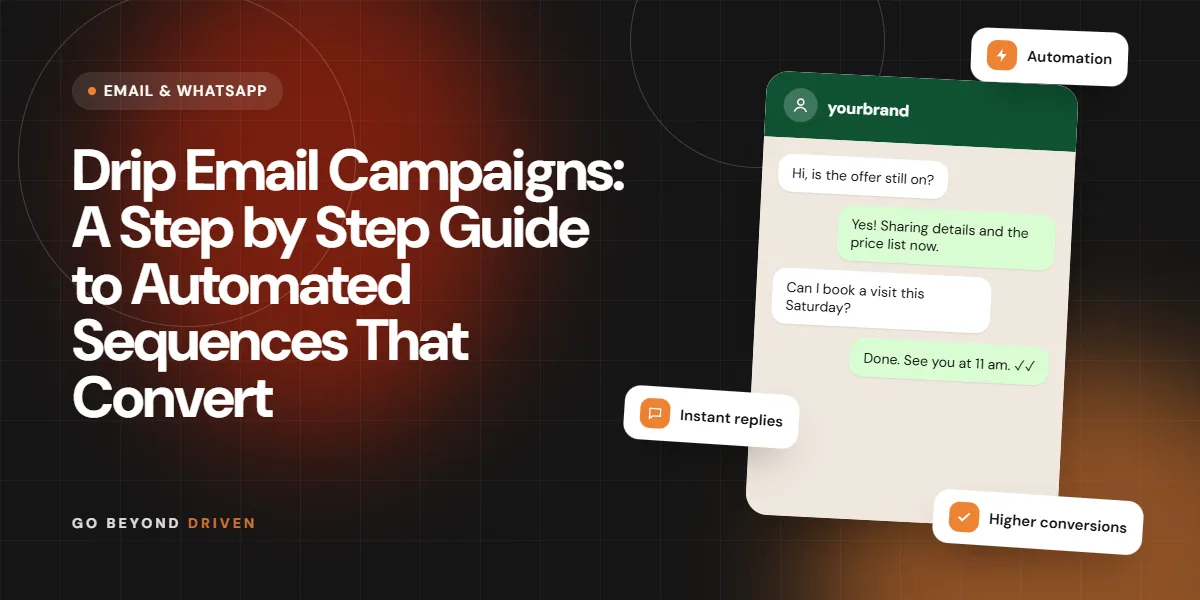
Yes, where people have opted in. A WhatsApp drip can send a booking confirmation, a reminder and a feedback request with higher visibility than email. Keep these shorter, ask for a reply or a tap, and respect the template and opt-in rules for business messaging. Cart reminders and appointment sequences often fit WhatsApp best.
A combined approach tends to work well. Use email for longer explanations and WhatsApp for time-sensitive nudges, with rules that prevent both channels from firing at once. If you are unsure about the mix, read our email automation workflows guide or ask our WhatsApp marketing services team.
Which metrics tell you a drip campaign is working?
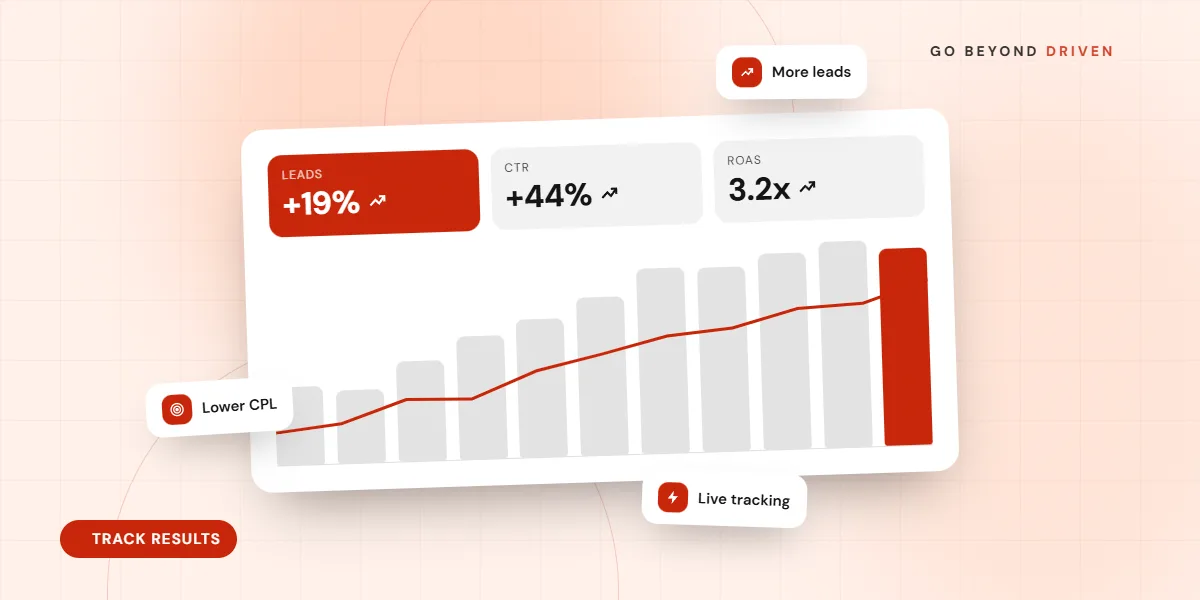
Look at each email and at the whole sequence. Per email, track delivery, open, click and unsubscribe rates. For the sequence, track the share of entrants who reach the goal, such as a purchase, booking or reply, and the revenue or enquiries per person entering. Opens can be unreliable due to privacy features, so weigh clicks and conversions more heavily.
Compare against a control where possible, for example by holding back a small group for a period. Look at drop-off points: if many people unsubscribe after email three, rewrite it. Fix one email at a time and keep notes so improvements add up over months.
What mistakes ruin drip campaigns?
Common mistakes include sending too many messages too fast, putting every email in sales mode, skipping exit rules, forgetting to test merge tags and links, and never updating old flows. Another is mailing contacts who never opted in, which damages sender reputation. Review our email deliverability guide so your automations reach the inbox.
Treat a drip as a living asset. Once a quarter, read every email as a subscriber, check offers are still valid, refresh examples and test the unsubscribe link. Old festive references, expired prices or broken links make a brand look careless, and they quietly reduce trust in every later message.
Final thoughts
A drip campaign turns a single sign-up or enquiry into a guided conversation. Start with one sequence tied to a clear goal, write it for a real person, set exit rules and improve it every month. If you would like help planning and building automated sequences, book a free marketing audit with Go Beyond Driven, call +91 91378 79539 or email gobeyonddriven@gmail.com.