
Most people who visit your website leave without enquiring or buying. A good retargeting ads strategy brings the right ones back at the right moment with the right message, on the apps and sites they already use. Done well, retargeting is often the most efficient spend in an account because it targets people who already know you. Done badly, it follows everyone around the internet with the same banner, annoys them and takes credit for sales that would have happened anyway. This guide covers how retargeting and remarketing work on Meta and Google, how to build audiences by intent and recency, what creative to show at each stage, how to set frequency and budgets, and how to measure whether retargeting is actually adding sales.
What is retargeting and how is it different from remarketing?
Retargeting means showing ads to people who have already interacted with your business: visited your website, watched your video, engaged with your Instagram profile, opened a lead form or bought from you before. Remarketing is Google's name for the same idea, and the terms are used interchangeably in practice. Some marketers use remarketing to mean email and WhatsApp follow-ups to known contacts, and retargeting to mean paid ads to anonymous visitors, but the goal is identical: re-engage warm audiences.
Retargeting works because most purchase decisions take more than one visit. A family comparing schools, a buyer shortlisting flats, a business comparing software vendors or a shopper browsing sofas will usually leave, compare options and come back. A well timed reminder with a reason to return, such as a review, a demo, a price update or a limited offer, can turn that comparison into a decision in your favour.
Why does retargeting matter so much for Indian businesses?
Indian buyers often research on mobile in short bursts, between commutes, meetings and family time. They may land on your site from a Google ad on the train, get interrupted, and forget your name by evening. Retargeting keeps you in front of them while they decide. It also works well with Indian buying habits that involve family input, because a reminder ad can prompt the buyer to share your page or WhatsApp you with a question.
For businesses with high ticket or considered purchases, such as real estate, education, healthcare, interiors, B2B services and premium products, retargeting usually delivers a lower cost per lead than cold prospecting. For ecommerce, cart and product page retargeting recovers sales that would otherwise be lost. In both cases, it lets you spend more on prospecting with confidence, because you know you have a system to follow up on the traffic you buy.
How do you build retargeting audiences that make sense?
Segment by intent and recency, not just 'all visitors'. Someone who viewed your pricing page yesterday is far more valuable than someone who read one blog post two months ago. Build separate audiences for high intent pages such as pricing, contact, product pages and cart, for general site visitors, for video viewers who watched a meaningful share of your ads, for social engagers, and for people who opened a lead form without submitting. Add recency windows such as 1 to 7 days, 8 to 30 days and 31 to 90 days.
Also build audiences you want to exclude. Exclude recent converters from lead campaigns so you do not pay to chase people who already enquired, and exclude recent buyers from acquisition offers. Upload customer and lead lists, with proper consent, to create customer match audiences on Google and custom audiences on Meta, both for exclusion and for upsell campaigns. Size matters: very small audiences may not serve at all, so combine segments until each is large enough to deliver.
Core retargeting audiences:
How do you set up retargeting on Meta?
Install the Meta pixel and Conversions API so site visits and events are captured accurately. In Ads Manager, create custom audiences from website traffic, specific URLs or events, Instagram and Facebook engagement, video views and lead form interactions. Use these audiences in a dedicated retargeting campaign, or in many ecommerce accounts, let Advantage+ sales campaigns handle retargeting automatically while you watch how much spend goes to existing customers.
For ecommerce, catalogue ads show people the exact products they viewed or added to cart, which is often one of the strongest retargeting formats on Meta. For lead generation, use a mix of testimonial videos, case study carousels, objection handling posts and a clear offer. Click-to-WhatsApp ads work very well as retargeting in India, because a warm visitor is more likely to start a chat than fill a long form.
FAQs: How do you set up retargeting on Meta?
How large should a Meta retargeting audience be?
Large enough to deliver consistently, often at least a few thousand people. Smaller audiences can work but may show high frequency quickly, so combine segments if needed.
Does Advantage+ replace separate retargeting campaigns?
For many ecommerce accounts, largely yes, because it finds warm and new buyers together. Lead generation accounts often still benefit from a separate retargeting campaign.
How do you set up remarketing on Google?
Install the Google tag and link GA4 with Google Ads so audiences can be built from site behaviour. Google offers several remarketing routes. Display remarketing shows banner and responsive ads across websites and apps. YouTube remarketing shows video ads to past visitors and channel viewers. Remarketing lists for search ads let you bid more, or show different ads, when past visitors search again on Google, which is often one of the most valuable uses because intent is high.
Ecommerce brands can use dynamic remarketing with a Merchant Center feed to show the products people viewed. Customer match lets you reach uploaded lists of leads and customers across Search, YouTube and Gmail. In Performance Max and Demand Gen campaigns, your remarketing lists act as audience signals that help Google find similar buyers. Keep an eye on placements in Display campaigns and exclude low quality apps and sites that send accidental clicks.
What creative works at each stage of retargeting?
Match the message to what the person has already seen. People who visited once and left need a reminder of who you are and why you are worth a second look: your main benefit, a short explainer video, a strong review. People who looked at pricing or products need help deciding: comparisons, case studies, guarantees, payment options, answers to common objections. People who abandoned a cart or a form need a nudge: a reminder, an easy way to finish, and sometimes a time-limited incentive.
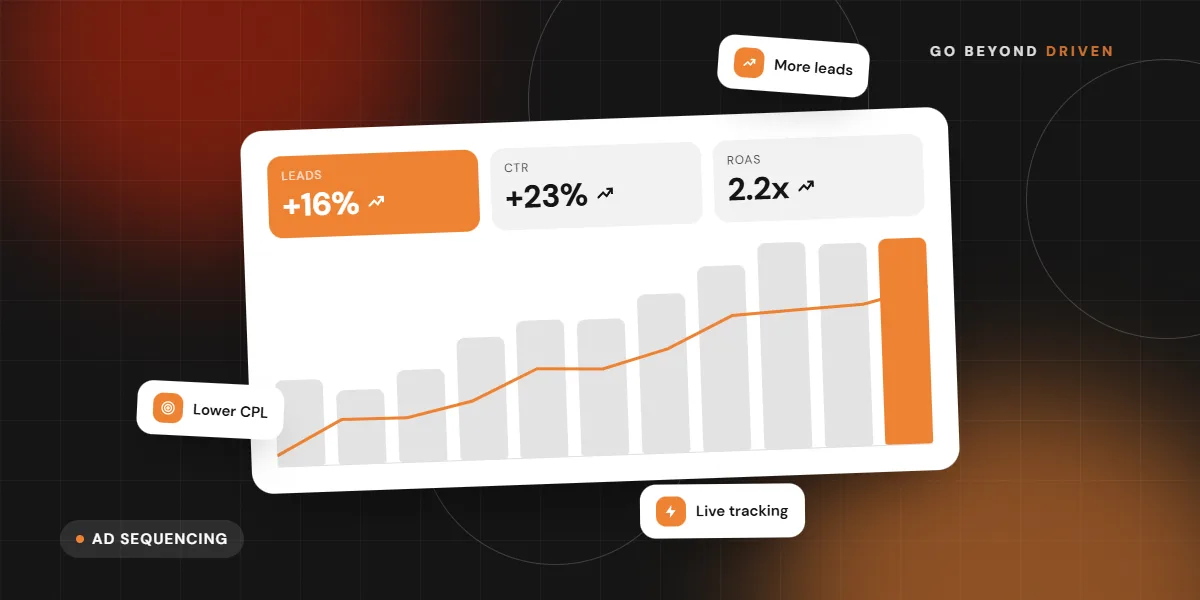
Sequencing ads in this order often works better than repeating one offer. Rotate creative regularly so the audience does not see the same image for weeks, and keep the tone helpful rather than pushy. Avoid retargeting creative that feels like surveillance, such as naming the exact thing someone looked at in a sensitive category like health or finance. In those categories, general reminders and educational content are safer and often perform just as well.
How long should retargeting windows and frequency be?
Match the window to your sales cycle. For impulse ecommerce, the first few days after a visit matter most, and a 7 to 14 day window with higher budget weight on recent visitors makes sense. For considered purchases such as property, education or B2B services, buyers can take weeks or months, so a 30 to 90 day window, with lighter frequency in later weeks, keeps you present without overwhelming people. Membership durations can be set when you create audiences.
Frequency is the main risk. If the same person sees your ad many times a week, response falls and irritation rises. Watch frequency in Meta reports and use frequency caps where your Google campaign type allows them. A reasonable rule is to start with a modest retargeting budget, often a small share of total spend, and increase it only while cost per result stays healthy and frequency stays reasonable.
How do privacy rules affect retargeting?
Browser restrictions, ad blockers and app tracking prompts have reduced how many visitors pixels can see, which shrinks retargeting audiences. Server side tools such as Meta's Conversions API and Google's enhanced conversions help recover some of this signal using hashed first party data. Building your own lists through forms, WhatsApp opt-ins and purchases also matters more than ever, because customer lists remain a dependable way to re-engage people.
In India, the Digital Personal Data Protection Act sets rules for how businesses collect and use personal data, including consent and purpose. Make sure your privacy policy explains your use of cookies and advertising, collect consent where needed, and only upload customer lists you have the right to use for marketing. Speak to your legal adviser about how the rules apply to your business as they are implemented.
How do you know retargeting is adding real sales?
Retargeting reports often look excellent because they target people already likely to convert. The question is whether they would have converted anyway. Look at click-through conversions rather than relying only on view-through conversions, compare retargeting results with your overall business trend, and where budgets allow, run a holdout test: exclude a random share of the audience from retargeting for a few weeks and compare conversion rates.
Also look at the whole journey. If retargeting lets you spend more on prospecting at a profitable blended cost, it is doing its job. Our comparison of Google Ads vs Meta Ads explains how the two platforms work together, and our guide to performance marketing for D2C brands covers blended ROAS for ecommerce.
For lead generation businesses, measure retargeting on the same quality metrics as every other campaign. Track how many retargeting leads were reached, qualified and converted in your CRM, and compare cost per qualified lead with your prospecting campaigns. If retargeting leads close at a similar or better rate at a lower cost, the campaign is earning its budget. If they are mostly people who had already enquired through another route, tighten your exclusions. Our performance marketing services include this kind of reporting as standard.
Retargeting mistakes to avoid
The most common mistakes are lumping all visitors into one audience, running the same creative for months, ignoring frequency, forgetting to exclude people who already converted, and letting Display remarketing run on low quality apps. Another frequent mistake is spending too much on retargeting relative to prospecting. A retargeting pool only grows if you keep bringing new people in, so starving prospecting eventually starves retargeting too.
Do not forget the channels you own. Email sequences and WhatsApp follow-ups to leads and customers are a form of retargeting that costs very little per message. Combine them with paid retargeting so each lead gets a sensible, coordinated series of touches. Our WhatsApp marketing services help set up follow-up flows that work alongside your ads.
Retargeting checklist:
Final thoughts
A strong retargeting ads strategy is not about chasing every visitor. It is about reaching the people most likely to act with helpful, well timed messages, then proving the extra sales are real. Build audiences by intent and recency, sequence creative, control frequency and keep prospecting healthy. If you want help setting it up across Google and Meta, our performance marketing team in Bandra works with businesses across Mumbai. Book a free marketing audit with Go Beyond Driven, call +91 91378 79539 or email gobeyonddriven@gmail.com.