
If you want to reduce cost per lead, you have two levers: pay less for each click or impression, or turn more of those visitors into enquiries. Most businesses only pull the first lever by cutting bids, which usually just cuts volume. The bigger wins usually come from the second lever: better landing pages, sharper offers, cleaner targeting and accurate tracking that lets Google and Meta optimise properly. This guide gives you ten practical fixes that apply to most Indian service businesses, from clinics and coaching centres to B2B firms and real estate. Work through them in order, because the early fixes make the later ones more effective, and always judge results on qualified leads rather than raw form fills.
What is cost per lead and what counts as a good CPL?
Cost per lead, or CPL, is your ad spend divided by the number of leads it produced. If you spent Rs 60,000 and received 120 enquiries, your CPL is Rs 500. A lead can be a form submission, a phone call, a WhatsApp chat or a booking request, as long as you define it consistently. There is no universal good CPL. A dental clinic, a home loan agent and an industrial equipment supplier will have very different numbers because their customer values and competition differ.
A more useful test is whether your CPL fits your economics. Work out what a customer is worth in margin, multiply by your close rate, and you get the most you can afford to pay per lead and still make money. If you are below that number, your CPL is healthy even if it feels high. If you are above it, the fixes below will help. For background on what drives click costs, see our guide to Google Ads cost in India.
1. Fix your tracking before anything else
You cannot lower a number you are not measuring correctly. Many accounts count page views as conversions, miss phone calls entirely or double count the same form. Set up conversion actions for each real lead type: form submits on the thank you page, click to call from ads and from the site, WhatsApp button clicks and calls to a tracked number. On Meta, add the Conversions API alongside the pixel so browser restrictions do not hide leads.
Once tracking is clean, automated bidding has accurate signals to learn from, and your reports show which campaigns, keywords and ads actually produce enquiries. This step alone often reveals that a large share of spend was going to campaigns that produced almost nothing. Pausing or fixing those is the fastest way to bring CPL down.
Track these as leads:
2. Cut wasted clicks with tighter targeting
On Google, open the search terms report and look at what people actually typed before clicking. You will often find jobs, training, free, DIY, competitor names you do not want, or services you do not offer. Add these as negative keywords and review the report every week. Move your best keywords to phrase or exact match unless broad match has strong conversion data behind it. Limit locations to areas you serve, and choose the setting that targets people in or regularly in those areas.
On Meta, check placement and audience breakdowns. If the Audience Network or certain age groups produce many leads that never answer, adjust. Exclude existing customers and recent leads from prospecting. For local businesses, a realistic radius matters: a clinic in Powai rarely needs patients from Virar, and a tighter area usually lifts both lead rate and lead quality. Our performance marketing team in Powai builds campaigns around real catchment areas.
3. Send traffic to a focused landing page
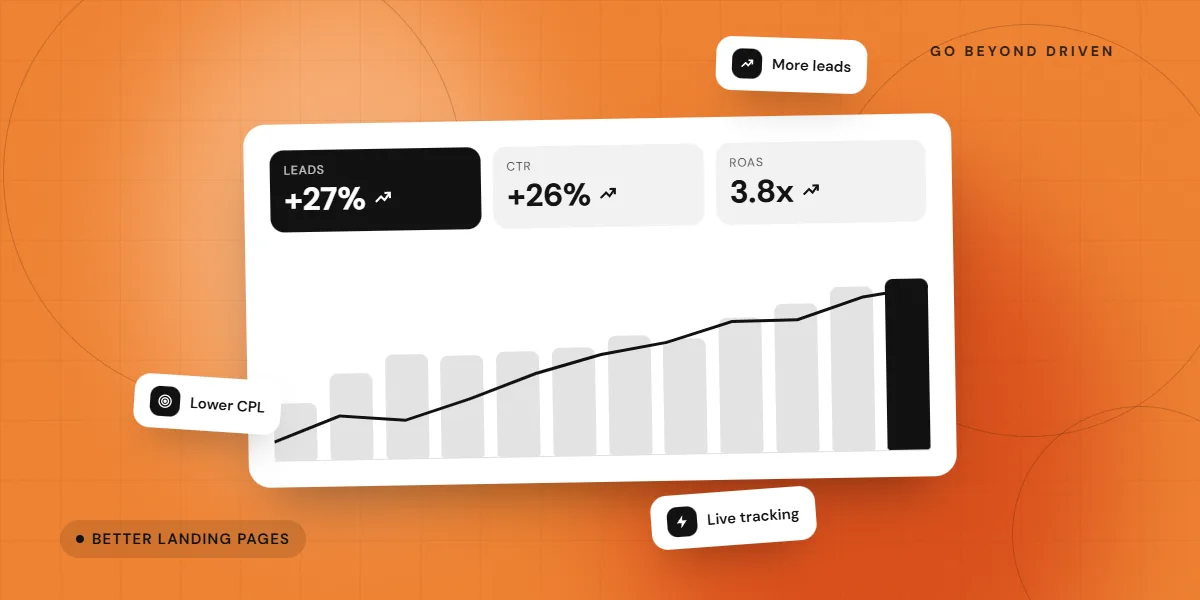
The single biggest lever for most businesses is the landing page. If your page converts 2 percent of visitors and you raise that to 4 percent, your CPL roughly halves with the same ad spend. Send each campaign to a page built for that service and that offer, not your homepage. Put the headline, the offer and the enquiry option above the fold on mobile. Add trust signals such as reviews, client logos, certifications, before and after photos and years in business.
Keep the form short, ideally name, phone and one qualifying question. Add a tap to call button and a WhatsApp button, because many Indian buyers prefer to talk or chat rather than fill a form. Make the page load fast on mobile data. Our guide to landing page design best practices covers the layout, and our conversion rate optimisation services can test changes systematically.
FAQs: 3. Send traffic to a focused landing page
How many form fields should a lead form have?
As few as you need to qualify and call back. Name, phone and one qualifying question is often enough. Each extra field can lower conversion rate.
Is a website page better than a lead form inside Meta?
Instant forms usually give a lower CPL, while website pages often give better quality. Test both and compare cost per qualified lead.
4. Make the offer more compelling
People respond to offers, not to company descriptions. 'Book a free 20 minute consultation', 'Get a same day quote', 'Free site inspection in Andheri and nearby areas', 'Download the fee structure and batch timings' or 'Free first trial class' give a clear reason to enquire now. A strong offer can lower CPL more than any bid change because it lifts both click-through rate and landing page conversion rate.
Match the offer to the stage of the buyer. Someone searching 'best orthodontist near me' is close to booking and wants availability. Someone scrolling Instagram needs a lower commitment first step, such as a guide, a price list or a quick quiz. Test two or three offers against each other for a few weeks and keep the one that brings the best qualified leads.
5. Refresh creative and ad copy regularly
On Meta, ads fatigue as the same people see them again and again. Frequency climbs, click-through rate drops and CPL rises. Plan to add new creative every couple of weeks: new hooks, new formats such as Reels, carousels and static images, new testimonials and new angles on the same offer. Short videos showing your team, your process or a customer result often outperform polished graphics.
On Google, write ads that repeat the searcher's words, state the offer and include a clear call to action. Use all the relevant assets: sitelinks, callouts, structured snippets, call and location assets. They make ads larger and more useful, which tends to lift click-through rate and Quality Score. Test headlines in responsive search ads and replace the weakest performers every month.
6. Improve Quality Score on Google
Quality Score reflects expected click-through rate, ad relevance and landing page experience. Higher scores generally mean you pay less per click for the same position. The usual route to better scores is structure: split broad ad groups into small themed groups, each with closely related keywords, ads that use those keywords in headlines, and a landing page that matches. A group for 'root canal treatment' should not share ads with 'teeth whitening'.
Check the keyword level diagnostics in Google Ads to see which of the three components is below average, then fix that one. A below average landing page experience often points to slow load times, irrelevant content or a mismatch between the ad promise and the page. Our conversion rate optimisation checklist lists the page fixes that tend to matter most.
7. Choose the right bid strategy and give it time
Once tracking is reliable and you have steady conversion volume, automated strategies such as Maximise Conversions, Target CPA on Google, or cost per result goals on Meta often lower CPL compared with manual bidding. They need data to learn, so avoid frequent changes. Large budget jumps, constant edits and pausing and restarting campaigns can reset learning and push costs up for a while.
Set realistic targets. A Target CPA far below your current CPL will starve the campaign of traffic. Start near your current average and lower it gradually as performance improves. Use ad scheduling to concentrate spend in the hours your team can respond and when leads tend to convert better.
Budget allocation matters as much as bidding. Review CPL and cost per qualified lead by campaign every month, then move money from the weakest campaigns to the strongest in measured steps. A campaign that is limited by budget while producing your cheapest qualified leads is the first place to add spend. A campaign that has spent for weeks without producing qualified enquiries should be fixed or paused, even if someone in the team likes it.
8. Recover lost leads with retargeting and WhatsApp
Most visitors leave without enquiring. Retargeting ads on Meta and Google bring them back with reviews, case studies, a reminder of the offer or a time-limited incentive. Because retargeting audiences are small and already familiar with you, these leads often come in at a lower cost than cold traffic. Keep frequency in check so you remind rather than annoy.
WhatsApp is another strong CPL lever in India. Click-to-WhatsApp ads and a WhatsApp button on the landing page capture people who will not fill a form but will happily send a message. Respond quickly with a friendly script, share details and move them to a call or appointment. Many businesses find that adding a chat route increases total leads without raising spend.
9. Optimise for qualified leads, not just cheap ones
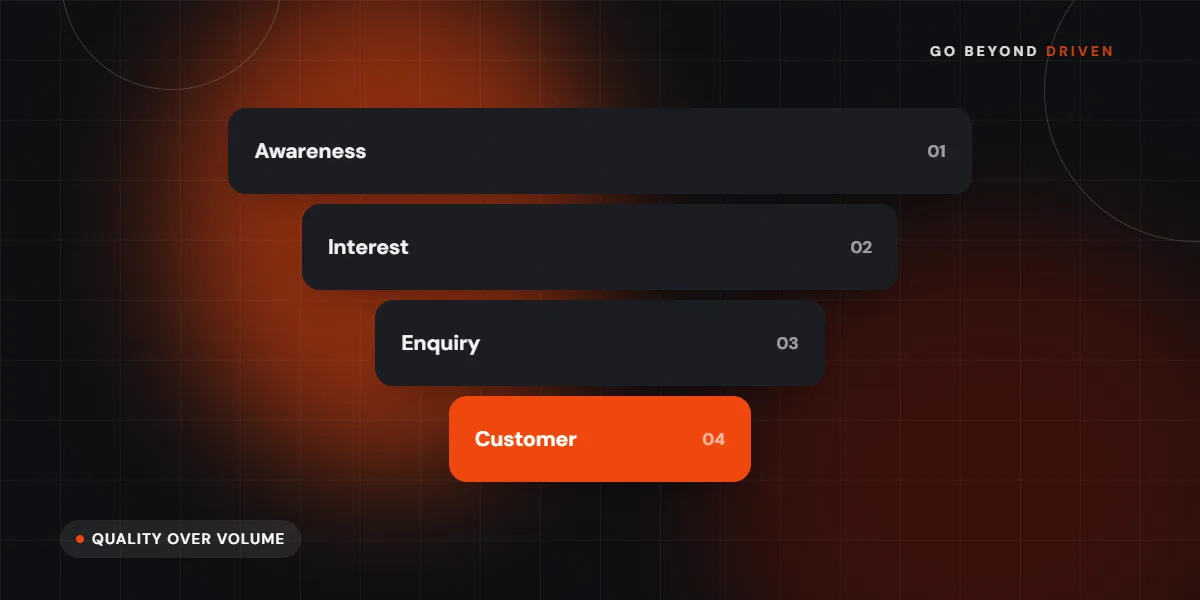
A falling CPL is only good news if lead quality holds. Track every lead in a CRM or a simple sheet with its source campaign and outcome: unreachable, not interested, qualified, appointment, customer. Calculate cost per qualified lead and cost per customer by campaign. You will often find that one campaign has a higher CPL but a much lower cost per customer, and deserves more budget.
Feed this back to the platforms. Import offline conversions into Google Ads and send CRM stages to Meta through the Conversions API, so bidding learns which leads turn into business. Then optimise towards qualified leads. Your CPL might rise slightly, but your cost per customer usually falls, and that is the number that pays the bills.
10. Mistakes that keep cost per lead high
A few habits keep CPL high in many accounts. Sending all traffic to the homepage. Running broad match with no negatives. Targeting the whole city or the whole state for a local service. Leaving the same ads running for months. Changing budgets daily. Not tracking calls and WhatsApp clicks. Counting junk leads as wins. Answering enquiries hours later, by which time the buyer has called a competitor.
Work through the list below once a month. It takes an hour or two and usually reveals at least one leak worth fixing. If you are not sure where to start, begin with tracking and the landing page, because they influence every other number.
Monthly CPL checklist:
Final thoughts
To reduce cost per lead in a lasting way, fix the system rather than the bids: accurate tracking, focused targeting, strong landing pages and offers, fresh creative, patient bidding and fast follow-up. Judge success on cost per qualified lead and cost per customer. If you want help finding the leaks in your account, our performance marketing agency can review it end to end. Book a free marketing audit with Go Beyond Driven, call +91 91378 79539 or email gobeyonddriven@gmail.com.