B2B email marketing is the practice of using email to reach, educate and move business buyers towards a sales conversation, usually over weeks or months rather than in one click. It differs from consumer email because the buyer is often a committee, the purchase is considered, and the content must help someone justify a decision to colleagues. For Indian manufacturers, software firms, consultants and service companies, email remains one of the few channels you own outright. This playbook covers who to email, what to send, how to structure sequences, how to protect deliverability and what to measure, without relying on tricks or bought lists.
How is B2B email marketing different from B2C?
In B2C, one person sees an offer and buys. In B2B, an engineer researches, a finance head approves and an owner signs off, sometimes over several months. Email has to keep your company present and credible through that whole journey, not just push a discount. Messages work best when they answer a question a specific role is asking at a specific stage.
Volume and tone also differ. Lists are smaller, so each contact matters more. Readers open email during work hours on desktop as often as on phones, and they respond to clear, plain language, evidence and examples rather than heavy design. A short, useful note from a named person often beats a polished promotional template.
Who should be on your B2B email list?
Build your list from people who have a reason to hear from you: website enquiries, webinar or event registrants, people who downloaded a guide, existing customers and contacts you have met at trade shows or on sales calls. Record where each contact came from and what they agreed to. India's data protection law, the Digital Personal Data Protection Act, puts weight on consent and purpose, so ask your advisor how it applies to you.
Avoid buying scraped lists. They damage sender reputation, produce complaints and attract contacts who have never heard of you. If you also reach out cold to new prospects, keep that separate from your marketing list and follow the approach in our guide to cold email outreach for B2B. Our email list building strategies cover consent friendly ways to grow.
Good sources for a B2B list:
How should you segment a B2B list?
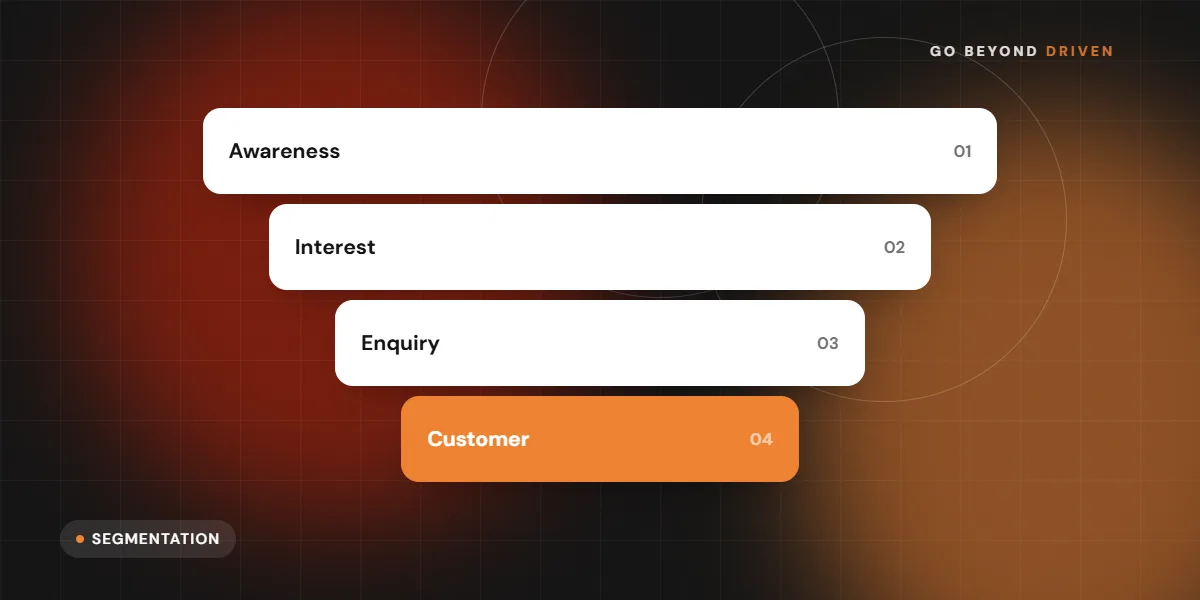
Segment by the details that change what someone needs to read. The most useful fields are job role, industry, company size, the product or service they asked about, and buying stage. A plant head at a Pune manufacturer, a CFO at a Mumbai logistics firm and a marketing manager at a software startup should not get the same email, even if they all downloaded the same price guide.
Start simple. Three to five segments you can actually write for are better than twenty you cannot maintain. Add a field to your forms for role or interest, and let your CRM tags or email tool update segments as contacts click or reply. Review segments each quarter, because a lead who was cold in March may be ready by September.
What should a B2B nurture sequence look like?
A nurture sequence is a short run of emails triggered by an action, such as downloading a guide or asking for a quote. A reliable shape is five to seven emails over three to four weeks: a welcome that delivers what was promised, a problem focused email, a practical how to, a proof email with an example or process, an objection handling email, and a clear invitation to talk. Stop the sequence once the contact replies or books.
Keep each email to one idea and one call to action. Write as a person, not a brand, and refer to what the contact did. Our guides on email automation workflows and lead nurturing strategies show how to map sequences to buyer stages.
A simple five email nurture flow:
What content works best in B2B emails?
Useful beats clever. Plain explanations of how to choose a vendor, checklists, short case notes, comparison guides, pricing factors, compliance updates and answers to questions your sales team hears every week all earn attention. For manufacturers, specification sheets, certifications and delivery process explainers can matter as much as thought leadership.
Do not invent proof. Use real examples you have permission to share, or describe a process rather than claim results you cannot back up. Link to content that sits on your website so email traffic supports your wider B2B content marketing strategy, and make every email easy to skim on a laptop between meetings. A short subject line that names the topic plainly, followed by a first sentence that states the point, respects the reader's time.
How often should B2B companies send email?
Most B2B companies do well with one to four emails a month to the general list, plus triggered sequences for new leads. More is fine if every message is useful and your unsubscribe rate stays low. Fewer than one a month usually means people forget who you are by the time you write again.
Time sends around working habits. Mid morning on weekdays often works because readers are at their desks, but test rather than assume. Avoid festival weeks when your buyers are away, and check Indian trade seasons, financial year end and budget cycles. If a send slot is not producing replies after a few tries, change the content before blaming the time.
FAQs: How often should B2B companies send email?
Should I send B2B email on weekends?
Usually not. Most business buyers read email at work, so weekdays tend to perform better. Test a different day if your audience is owners or traders who work weekends, and compare replies, not only opens.
Is a weekly B2B newsletter too much?
It can work if every issue is genuinely useful and the list is engaged. Many firms find a fortnightly or monthly rhythm easier to sustain with quality. Watch unsubscribes and replies to decide.

How do you keep B2B emails out of spam?
Set up SPF, DKIM and DMARC on your sending domain, use a recognisable from name, send only to people who expect to hear from you, and remove bounces and non engagers regularly. Gmail and Yahoo have published requirements for bulk senders, including authentication and easy unsubscribe, so check their current rules.
Warm up new domains gradually instead of blasting a big list on day one. Keep images light, avoid link shorteners and write the way a colleague would. Our email deliverability guide explains the technical checklist in plain terms, which is worth sharing with whoever manages your domain.
Which B2B email marketing metrics matter?
Open rates are less reliable since mail apps began pre loading images, so use them as a rough signal only. Pay more attention to replies, clicks on meaningful links, meetings booked, qualified leads created and, ultimately, pipeline and revenue influenced by email. Connect your email tool to your CRM so you can see which campaigns touch deals that close.
Judge results over a full sales cycle. A sequence that books two good conversations from a small list may beat a newsletter with high opens and no enquiries. Review monthly: which segment replied, which email drove calls, which subject lines were ignored. Then adjust one thing at a time so you know what caused the change.
When should you hire an agency for B2B email marketing?
Consider help when email matters to your pipeline but no one owns it: lists are scattered across spreadsheets, sequences were never written, deliverability is shaky or your sales team complains about lead quality. An outside team can set up the technical foundations, write the sequences and report on pipeline, while your people focus on conversations.
Go Beyond Driven plans and runs B2B email programmes for Indian companies, from list hygiene and segmentation to nurture flows and CRM reporting. See our email marketing agency services and our wider B2B digital marketing agency work if you want email to sit alongside search, LinkedIn and content.
Final thoughts
B2B email marketing rewards patience and relevance. Build a consent based list, segment it by role and stage, send useful messages on a steady rhythm and measure meetings and pipeline rather than opens. If you want an honest review of your current email setup, book a free marketing audit with Go Beyond Driven, call +91 91378 79539 or email gobeyonddriven@gmail.com.