
Email list building is the practice of collecting email addresses from people who have chosen to hear from your business, so you can reach them directly without paying for every click. A good list is an asset you own, unlike social media followers, and it tends to produce repeat sales, referrals and cheaper conversions. The key word is chosen: bought or scraped lists damage your sender reputation and waste money. This guide lays out practical strategies for Indian businesses, from website forms and lead magnets to events, WhatsApp opt-ins and offline collection, with consent and list hygiene explained along the way.
Why is building your own email list worth the effort?
Email gives you a direct line to people who already showed interest. You are not at the mercy of an algorithm change on Instagram or a cost per click increase on Google. When you have something to announce, such as a new service, a seasonal sale or a webinar, you can reach your audience at almost no extra cost per send.
A list also supports every other channel. Subscribers can be turned into repeat customers, retargeted through ads, invited to WhatsApp updates and asked for reviews. Over a year, a modest list of engaged subscribers is often worth far more to a small business than a large, cold audience that rarely buys.
Why should you never buy an email list?
Purchased lists contain people who never heard of you, so they ignore, complain or mark you as spam. High complaint rates and bounces harm your domain reputation, which can send even your genuine emails to junk folders. Mailing people without permission also conflicts with the privacy expectations set out in India's data protection law, so take legal advice on consent.
Beyond risk, the numbers rarely work. A smaller list of 500 genuinely interested subscribers will usually outperform 20,000 random addresses in replies, clicks and revenue. Spend the money on a better offer, an improved sign-up form or ads that drive people to your lead magnet instead.
What lead magnets make people share their email?
A lead magnet is a useful item offered in exchange for an email address. It works when it solves a small, specific problem quickly. Good examples include a checklist, a template, a short guide, a price list, a free audit, a calculator, a recipe pack or a discount code. See more ideas in our guide to lead magnet ideas.
Match the magnet to the audience. A Mumbai interior designer might offer a 2 BHK budget planner. A dentist could offer a monsoon dental care checklist. A B2B software firm might offer a security readiness checklist. A gift shop could offer early access to Diwali hampers. The best magnets attract buyers, not people looking for freebies.
Lead magnet formats to consider:
Where should sign-up forms go on your website?
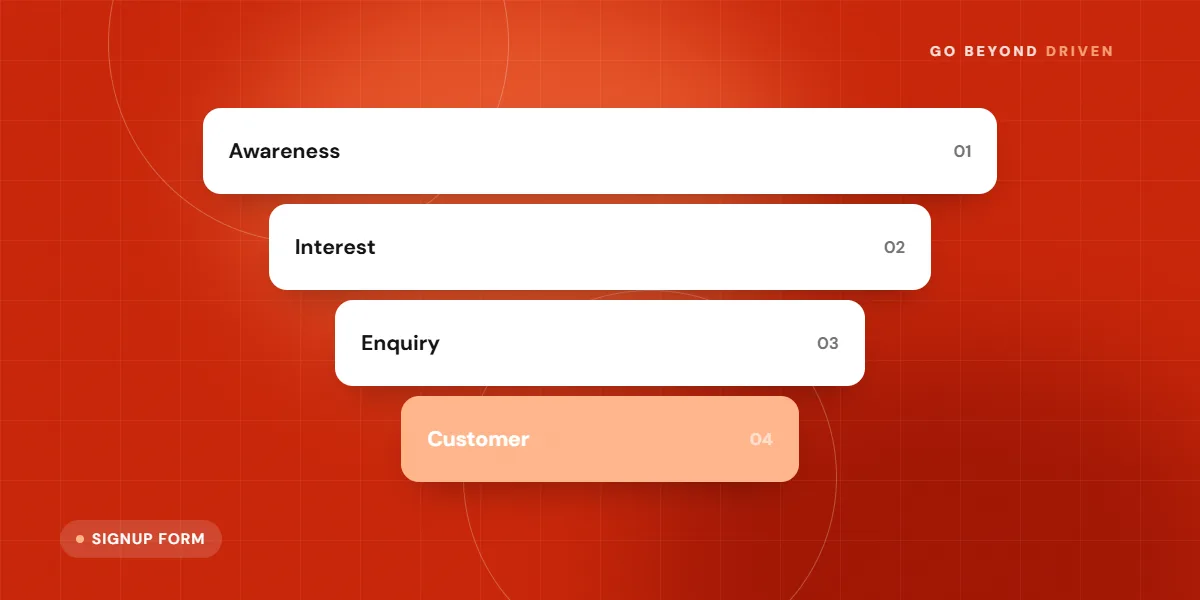
Place forms where interest is highest. That usually means the end of blog posts, a clear box in the header or footer, a dedicated landing page for the lead magnet, a slim banner on high-traffic pages and an exit or timed pop-up shown with restraint. On mobile, make sure pop-ups are easy to close and do not block the page, as Google can penalise intrusive interstitials.
Keep the form short. An email address and first name are usually enough, and each extra field lowers sign-ups. State what people will get and how often, add a short privacy line and link to your privacy policy. For the page itself, our landing page design best practices show how to write a tight, convincing offer.
How can you collect emails offline and through other channels?
Many Indian businesses already meet customers face to face. Retail stores, clinics, restaurants, coaching centres and events can collect emails at billing counters, on appointment forms or via a QR code that opens a short sign-up page. Always explain why you are asking and what you will send, and avoid pre-ticked boxes.
Online, use social media bios, Instagram stories and Reels that point to a free resource, webinar registrations, contest entries with clear terms, and WhatsApp conversations where you invite a customer to receive a detailed monthly update by email. Referral programmes also help, since existing customers can invite friends with a small, genuine reward.
FAQs: How can you collect emails offline and through other channels?
Can I add customers to my list because they bought from me?
You can use purchase details for order communication, but marketing emails need clear permission. Add an opt-in tick box at checkout, and take legal advice for your specific case.
Is a QR code sign-up effective?
Yes at physical touchpoints like billing counters and events, provided the page loads fast on mobile, asks for few details and offers a clear reason to join.
What does consent look like in practice?
Good consent is clear, specific and recorded. Use an unticked box or a clear sign-up button, tell people what they will receive, store the date, source and wording they agreed to, and include a one-click unsubscribe in every email. Honour unsubscribes immediately and keep a suppression list so you never mail those people again.
Double opt-in, where a new subscriber confirms through a link in a welcome email, creates a cleaner list and protects you from mistyped or fake addresses. It can reduce raw sign-up numbers slightly, but the people who remain are real and engaged. Laws and guidance evolve, so confirm requirements with a qualified adviser.
How do you welcome new subscribers so they stay?
Send a welcome email within minutes, delivering the promised resource first. Introduce who you are, what to expect and how often you will write. Ask one easy question, such as what they want help with, so replies teach you about their needs and also improve your sender reputation.
Follow with a short sequence over the next week or two: your most useful content, a customer story, and a soft offer. This is the foundation of any drip campaign. Subscribers are most engaged in their first days, and a thoughtful start decides whether they become readers or simply ignore you.

How do you keep your list clean and engaged?
List hygiene means removing hard bounces at once, suppressing complainers and unsubscribers, and periodically re-engaging or removing people who have not opened for many months. Before removing them, send a short win-back series with a clear 'still want to hear from us?' message. A smaller, active list protects deliverability.
Segment the list by interest, location, customer status and source, so each person gets relevant content. A first-time visitor from a blog post should not receive the same email as a repeat customer from Navi Mumbai. Our email marketing agency can set up segmentation, welcome flows and reporting for you.
What does a simple 30 day list building plan look like?
In week one, choose a single audience and a single lead magnet, and build a basic landing page with a short form. Connect it to an email tool and write the welcome email. In week two, add forms to your three most visited blog posts and your homepage, and put the link in your social bios and WhatsApp business profile.
In week three, promote the magnet with a small paid test, a post to existing customers and, if you have a physical outlet, a QR code at the counter. In week four, review sign-ups by source, read the replies to your welcome email and fix the weakest step. Then repeat with the next magnet for a different segment instead of changing everything at once.
Starter checklist for week one:
Which numbers show your list building is working?
Track sign-up conversion rate per form and page, growth by source, welcome email engagement, unsubscribe and complaint rates, and revenue or enquiries per subscriber over time. The source breakdown tells you which channel produces subscribers who actually buy, not just those who sign up.
Review monthly and double down on the top two sources. If a pop-up gives many sign-ups but low engagement, test a better offer or a more targeted trigger. Quality beats quantity, and a steady flow of relevant subscribers compounds over the year.
Final thoughts
Email list building is slow, honest work that rewards patience: a useful offer, a simple form, clear consent and a good welcome. Start with one lead magnet and two placements, then improve from the data. For help planning your list growth and email programme, book a free marketing audit with Go Beyond Driven, call +91 91378 79539 or email gobeyonddriven@gmail.com.