
AI content writing means using language models to draft, outline, summarise or rewrite marketing copy, with a person deciding what is true, useful and on brand. Used well, it removes the slow parts of writing: blank pages, first drafts, formatting and variations. Used badly, it produces confident but generic text full of errors that your customers will not trust. Google has said it cares about helpful, reliable content rather than how it was produced, so the question for your business is not whether to use AI but where. This guide covers the tasks AI handles well, the ones it should not touch alone, a repeatable workflow and a checklist for editing before you publish.
What is AI content writing and what can it do?
AI content writing uses tools such as chat assistants to generate text from a prompt. They can suggest outlines, write first drafts, summarise transcripts, rewrite for a different tone, translate, draft subject lines and produce many variations of a caption. They work by predicting likely words, not by checking facts, which explains both their speed and their weaknesses.
That means the quality of the output follows the quality of your input. A vague request such as write a blog on digital marketing gives vague results. A brief with the audience, purpose, your real examples and the points to cover gives a draft worth editing. Treat the tool as a fast junior writer who needs clear direction and a careful reviewer.
Used sensibly, it also lowers the barrier for small teams. A shop owner who never had time for a blog can dictate notes, ask for a structure and end up with something close to publishable after an hour of editing. The aim is more useful output from the same people, not content with no human behind it.
Is AI-generated content bad for SEO?
Not automatically. Google's published guidance says it rewards helpful content made for people and that using automation to produce pages mainly to manipulate rankings goes against its spam policies. The method is less important than the outcome. A well-edited, accurate and original page can perform. Thin, repetitive pages mass produced for keywords generally do not.
The risk is scale without oversight. Publishing hundreds of unreviewed pages creates duplicate ideas, factual mistakes and no real expertise. Pages that merely restate what already ranks add little for a reader. Add your own experience, local detail and clear sourcing, and review every page as if a customer wrote the complaint. Our how to write SEO blog posts guide covers what makes a page worth ranking.
FAQs: Is AI-generated content bad for SEO?
Does Google penalise AI content?
Google says it targets low quality, unhelpful content, not the tool used to write it. Pages written mainly to manipulate rankings can be treated as spam, whether a person or software wrote them.
Should I disclose AI use?
Disclosure is a judgement call. Be honest if asked, and always disclose where rules, clients or platforms require it. Accuracy and accountability matter more than a label.
Which tasks is AI good at and where should humans lead?
AI helps most with structure and speed: outlines, headline options, meta description drafts, summarising long calls, reformatting a blog into social posts, cleaning grammar and generating variations of ad copy for testing. These tasks reward volume and are easy to check.
Humans should lead on anything that depends on truth, taste or trust: pricing, legal and medical claims, case study results, customer stories, opinions, brand positioning and local nuance. A model does not know your clients, your product margins or the mood in your category. It may also invent statistics or sources. Never publish a number or quote you cannot trace to a real origin.
Good tasks to hand to AI:
How do you write a prompt that gives usable drafts?
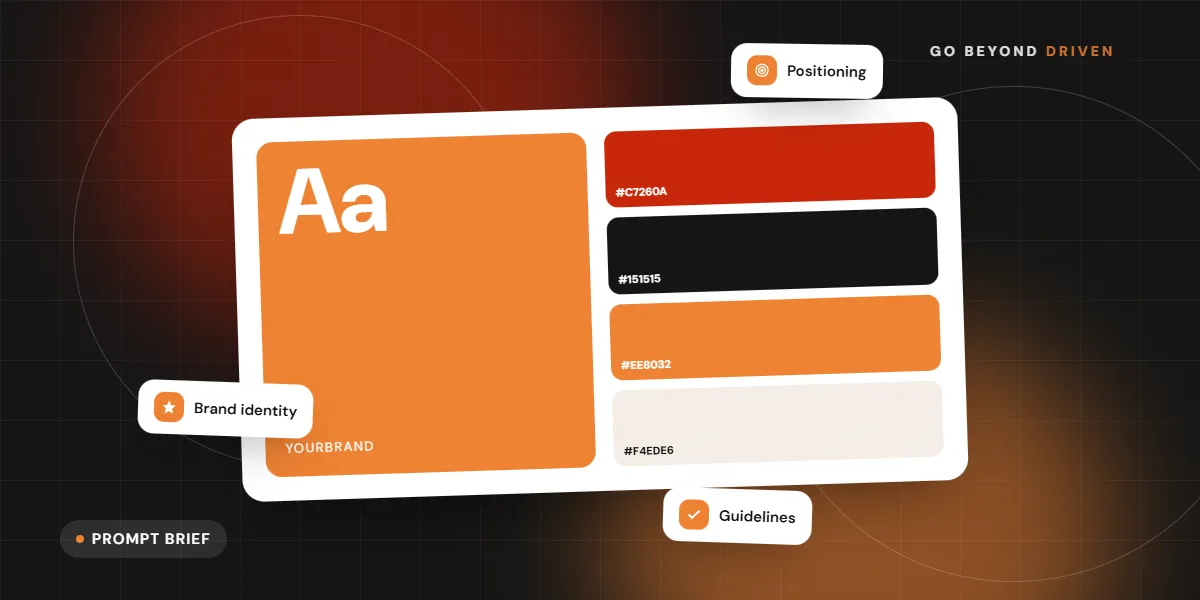
Give the tool a short brief, not a single line. Include who the reader is, what they need to decide, the key points in your order, facts you want included, words to avoid, the desired length and the tone. Paste in real material such as your FAQ notes, a service description or a transcript, and ask it to use only that.
Ask for structure first, review it, then request one section at a time. This keeps control and makes errors easier to spot. Add a rule such as: if you are unsure about a fact, mark it for checking instead of guessing. Keep a saved prompt for each content type so results stay consistent between writers on your team.
Include examples of good writing from your own site so the tool can match your style. Tell it who the reader is, for instance a first-time buyer in Pune comparing three options, and ask it to explain terms plainly. Specific inputs are what separate a draft you can edit from one you must discard.
How do you edit AI content so it sounds like your brand?
Edit in layers. First check facts, names, prices, dates and claims against real sources. Second, cut generic openings, repeated points and filler such as sweeping statements about how fast the world is changing. Third, add what only you know: a customer question, a mistake you have seen, a local example from Andheri or Vashi, a specific process.
Finally, read it aloud. If a sentence sounds like nobody in particular, rewrite it in the voice you would use on a call. A written voice guide helps, and our brand voice guide shows how to define one. Strip any phrases that make every AI draft look alike, then check the final version for the primary keyword used naturally, not repeated.
Can AI write in Hinglish and regional languages?
It can produce a workable draft, but quality varies by language and register. Hinglish captions, Marathi and Hindi ad copy and mixed-language WhatsApp messages often come out stiff, overly formal or literal. Idioms, humour and honorifics are where mistakes show up first.
Have a native speaker review anything customer facing before it goes live. This matters for ads, where a wrong word can change meaning, and for health, finance or legal topics. Use AI to speed up the first version, but let a person decide the final phrasing. Our guide to regional language content marketing covers how to plan language by audience.

What is a safe AI content workflow for a small team?
Use six steps. Decide the audience and goal. Research the topic from real sources and customer questions. Brief the tool with that material and generate an outline. Draft section by section. Edit for facts, voice and originality. Then have a second person do a final check before scheduling.
Keep a log of which pieces used AI and which sources were checked, so you can correct things quickly if a claim is questioned. Avoid putting confidential client information, unpublished pricing or personal data into public tools, and check the privacy settings of any tool you use for work.
Pre-publish checklist:
What mistakes make AI content fail?
The common failures are publishing the first draft, copying competitor structures line for line, stuffing keywords, skipping a human fact-check and posting at volume with no point of view. Readers sense generic writing quickly, and it rarely earns links, shares or trust.
Another mistake is using AI to avoid thinking about strategy. A tool can write a hundred posts, but it cannot tell you which customers to target or what you believe. Start with the customer problem and your point of view, then use the tool to execute. Our website content writing tips are a useful editing reference.
How can AI help with research and ideas without copying others?
AI is useful for brainstorming angles, grouping customer questions and spotting gaps in an outline. Paste in ten real questions from enquiry forms and ask it to cluster them by theme, or ask for objections a sceptical buyer might raise to your offer. Treat the results as prompts for your own thinking, not as finished research.
Be careful about originality. Models can echo common phrasing from widely published articles, and two competitors using the same tool with similar prompts often publish near-identical pages. Differentiate by adding first-hand material: a process photo, a pricing explanation from your own experience, a quote from your team, a lesson from a project. That is the part no tool can supply.
Final thoughts
AI content writing is best treated as a drafting assistant with a human editor in charge. Use it for structure and speed, keep people responsible for facts and voice, and publish only what you would be happy to put your name on. If you would like a practical plan for content that combines tools and real expertise, Go Beyond Driven can help through its content marketing services. Start with a free marketing audit, call +91 91378 79539 or email gobeyonddriven@gmail.com.