
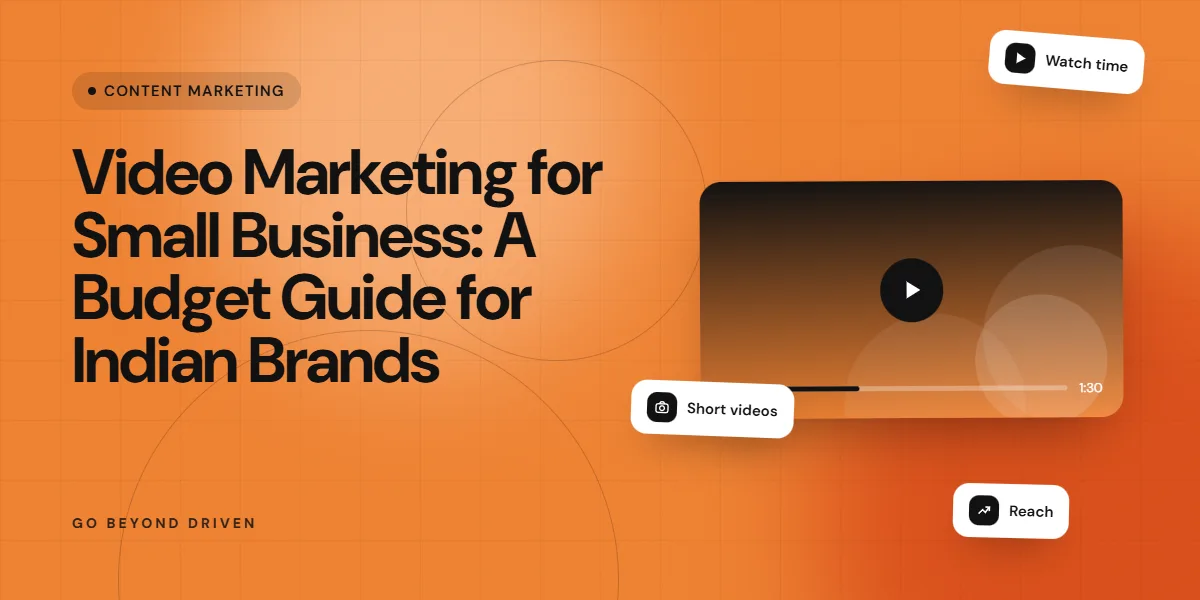
Video marketing for small business does not need a production house or a big budget. A recent smartphone, a basic microphone, decent light and a clear plan are enough to create videos that build trust and bring in enquiries. Short vertical videos on Instagram Reels, YouTube Shorts and WhatsApp Status now reach more people than most static posts, and customers increasingly expect to see a product, a space or a founder on video before they buy. This guide covers what to film, the low cost kit you need, how to plan and edit without a big team, where to publish, how to turn your best videos into ads and the mistakes that waste time. It is written for shops, clinics, restaurants, service firms and D2C brands across India.
Why Does Video Work So Well for Small Businesses?
Video shows what words and photos cannot. A customer can see how a fabric falls, how big a flat really feels, how a dentist explains a procedure or how fresh the food looks when it comes out of the kitchen. That reduces doubt, and doubt is the main reason people do not enquire. For small businesses, video also shows the people behind the brand, which is often the biggest advantage you have over large chains and marketplaces.
Platforms reward it too. Instagram and YouTube push short videos to people who do not follow you yet, which gives small accounts a real chance to reach new customers without paying for every view. In India, where most people browse on mobile data and watch a lot of short video, a well made 30 second clip can travel through shares and WhatsApp forwards far beyond your existing followers. That reach is hard to get from static posts alone.
What Videos Should a Small Business Make? 10 Practical Ideas
Start with videos that answer questions customers already ask. Product demos show how something works. Behind the scenes clips show how you make, pack or prepare things. Customer testimonials, even simple phone recordings, build trust fast. Founder stories explain why you started. Before and after videos suit salons, interior designers, cleaners and clinics. FAQ videos answer one question each, such as delivery times, pricing logic or how to choose the right size.
Then add videos that reach new people. Quick tips related to your category, such as how to store spices or how to choose a mattress, give viewers something useful and position you as the expert. Local videos also work well: a Mumbai cafe showing its monsoon menu, a Thane gym showing its morning batch, or a Borivali boutique styling one outfit three ways. Finally, film offers and launches, but keep them to a small share of what you post.
A simple mix that works for many small businesses is roughly half educational or helpful videos, a quarter trust building videos such as reviews and behind the scenes, and the rest promotional. Service businesses can add short explainers on process and pricing, while product brands can lean on unboxing, styling and comparison videos. Keep a running list of customer questions from calls, store visits and WhatsApp chats, because each one is a ready made video topic that you know people care about.
Easy video ideas to start with:
What Equipment Do You Actually Need?
Your phone is the camera. Any reasonably recent mid-range smartphone shoots good enough video for social media if you clean the lens, shoot in good light and keep it steady. Spend your small budget on sound first, because people forgive average visuals but scroll away from bad audio. A wireless or wired lapel microphone typically costs a few thousand rupees or less and makes a dramatic difference, especially in noisy Mumbai streets and busy shops.
Next, add a tripod with a phone clamp and a simple light. A ring light or small LED panel usually costs a few thousand rupees, and natural window light is free and often better. A basic kit of microphone, tripod and light can typically be put together for under ₹10,000, depending on brands. Avoid expensive gimbals and cameras until you are posting consistently and know which video styles work for your audience.
FAQs: What Equipment Do You Actually Need?
Do I need a DSLR or mirrorless camera?
Not to start. A recent smartphone handles Reels and Shorts very well. Upgrade only when you are making longer YouTube videos or premium brand films where shallow depth of field genuinely matters.
How do I get good light without buying equipment?
Film facing a large window during the day, avoid overhead tube lights and harsh afternoon sun, and keep the light source in front of the person, not behind them.
How Do You Plan Videos Without a Big Team?
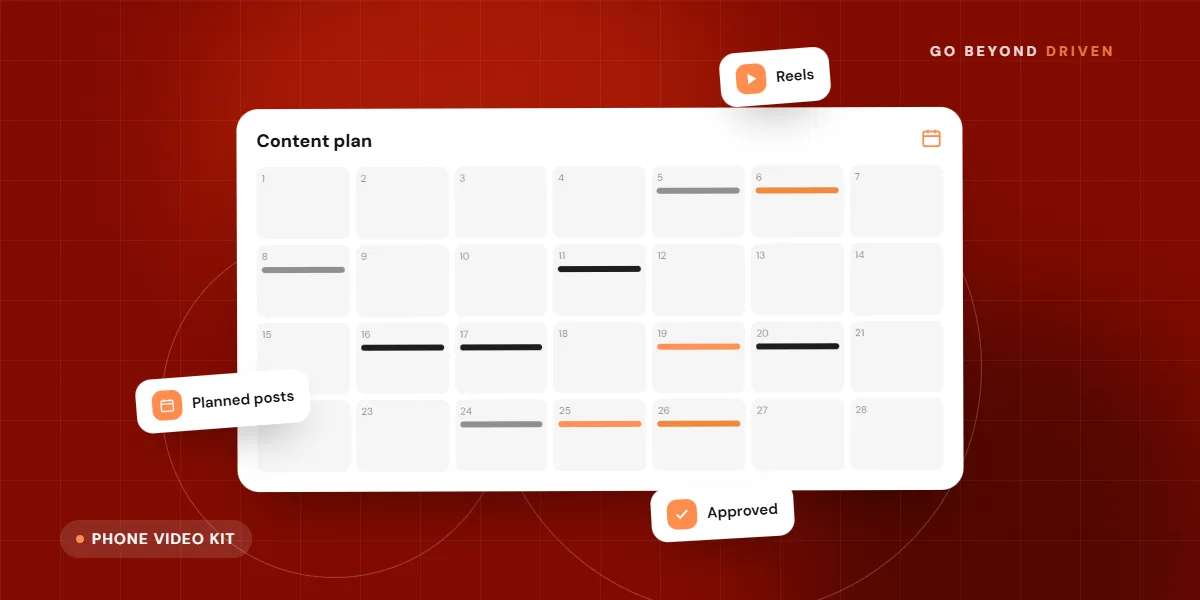
The secret is batching. Instead of trying to film something every day, pick one half day every two weeks and shoot eight to twelve short videos in one go. Before the shoot, write a simple list of ideas with a one line hook for each, the key points to cover and the shots you need. Change outfits or locations between clips so they do not look identical. This one habit is what keeps most small businesses consistent.
Script lightly. You do not need a word for word script, but you do need a strong first line, two or three clear points and a closing call to action. The first two seconds decide whether people keep watching, so open with the problem, the result or something visually surprising, not with your logo or "Hi everyone". Our social media content calendar guide shows how to slot these batched videos into a monthly plan.
Editing Videos on a Budget
Free and low cost mobile apps such as CapCut, InShot, VN and Canva handle most small business editing needs. Learn a few basics: cutting pauses and mistakes, adding text on screen, adjusting brightness, adding background music from the platform's licensed library and exporting in vertical 9:16 format. Most good short videos are simple. Clean cuts and clear captions beat fancy transitions and effects every time.
Always add subtitles. A large share of people watch videos with the sound off, especially while commuting or at work, so on-screen text keeps them watching. If your customers are more comfortable in Hindi, Marathi or Gujarati, consider captions in that language, or a mix of English and the regional language. Keep your fonts and colours consistent with your brand so viewers start recognising your videos before they even see your name. Save a simple template in your editing app with your caption style, logo placement and end card, so every new video takes minutes to finish rather than an hour.
Keep a folder of raw clips as well. Short shots of your shop front, products on the counter, hands packing an order or a team member greeting a customer are useful as background footage for future videos. This kind of B-roll lets you make a new video from a voiceover and existing clips on days when you have no time to shoot. Over a few months, that library becomes one of your most valuable marketing assets.
Where Should You Post Your Videos?
Instagram Reels is the default for most consumer businesses, and our Instagram Reels strategy guide explains how to plan hooks and formats. YouTube Shorts gives the same vertical videos a second life with a different audience, and longer YouTube videos work well for businesses where people research before buying, such as education, real estate, healthcare and home improvement. LinkedIn suits B2B and professional services, where a founder explaining a process or a client result on camera builds credibility with decision makers.
Do not forget the free channels close to the sale. WhatsApp Status reaches people who have already saved your number, which makes it powerful for repeat customers. Your Google Business Profile accepts videos and photos that help you stand out in local search results and on Google Maps. Upload short clips of your store, team and products there. One video can be posted on four or five channels with small tweaks, which is the most efficient use of a small budget.
How to Turn Videos Into Ads on a Small Budget
Once a video does well organically, it has already proved that people find it interesting. That makes it the best candidate for paid promotion. On Meta, you can run your best Reels as ads to a defined local audience with a daily budget that many small businesses start at a few hundred rupees. Keep the targeting focused, such as a 5 to 10 km radius around your store or the areas where most of your customers live.
Pick a clear objective. For local businesses, sending viewers straight into a WhatsApp chat often works better than sending them to a website, and our click to WhatsApp ads guide explains the setup. You can also retarget people who watched most of your video with an offer or testimonial. If you want help managing this properly, our performance marketing team runs video ads for small and growing businesses, from local shops to D2C brands selling across India.
FAQs: How to Turn Videos Into Ads on a Small Budget
How much should I spend on video ads to start?
Many small businesses test with a few hundred rupees a day for two to three weeks. That is usually enough to see which videos get enquiries before you increase spend on the winners.
Should I boost posts or use Ads Manager?
Ads Manager gives more control over objectives, audiences and placements. Boosting is quicker but limited. For lead generation or WhatsApp enquiries, Ads Manager is usually the better choice.
How Do You Know If Your Videos Are Working?
Look past views. The useful numbers are average watch time, the percentage of viewers who watch to the end, shares and saves, profile visits and, most importantly, enquiries. If people drop off in the first two seconds, your hook needs work. If they watch but do not act, your call to action is unclear or the video does not connect to an offer. Track which videos lead to DMs, calls or WhatsApp messages.
Review your numbers once a month. List your top five and bottom five videos by watch time and enquiries, then look for patterns in topic, hook, length, person on camera and format. Make more of what works and drop what does not. Ask new customers how they found you. In many small businesses, owners are surprised to learn that one or two simple videos brought in a large share of new enquiries.
Video Marketing Mistakes Small Businesses Should Avoid
The most common mistake is waiting for perfect conditions. Businesses delay video for months while they plan a professional shoot, then post one polished film and nothing else. Consistency beats production value. The second mistake is poor audio, which makes even good content hard to watch. Third, many videos start slowly with logos, greetings or long introductions. Fourth, businesses post horizontal videos on vertical platforms, leaving most of the screen empty. Fifth, every video becomes a sales pitch, which trains people to scroll past.
Use this checklist before posting. Is the first line or visual strong enough to stop the scroll? Is the audio clear? Are there subtitles? Is the video vertical and well lit? Does it deliver one clear idea in under 60 seconds? Is there a simple next step, such as "message us on WhatsApp" or "visit our store in Andheri"? Is it posted on more than one channel? If you can tick most of these, you are ahead of many local competitors.
Before you post, check:
Final Thoughts
Video marketing for small business works best when it is simple, honest and regular. You do not need to compete with big brand films. You need to show your product, your people and your expertise clearly, answer the questions customers already ask, and post consistently on the channels they use. Start with your phone, a lapel microphone and a batch of ten ideas, and improve with each round based on real numbers.
If you would like a team to plan, shoot, edit and promote videos with you, our social media marketing services cover content, Reels and paid promotion. Not sure where to begin? Book a free marketing audit and we will review your current social media, website and ads, then suggest the video formats most likely to bring in enquiries for your business. We work with businesses across Mumbai and India, in person or online.