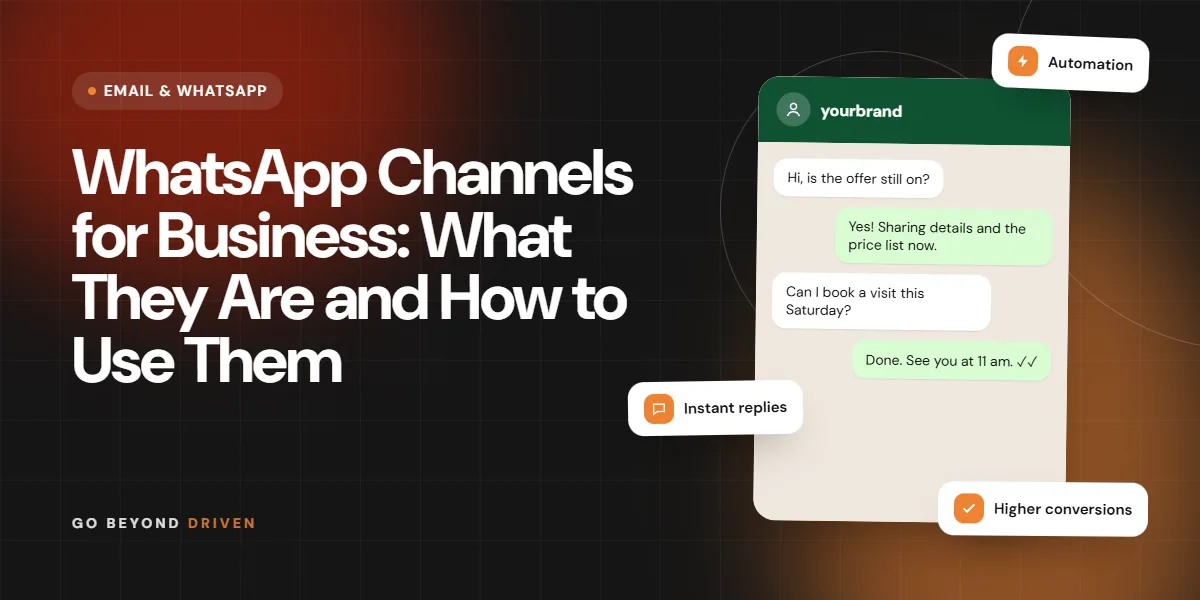


WhatsApp marketing for ecommerce means using WhatsApp to talk to shoppers before, during and after an order: product questions, order confirmations, shipping updates, cart reminders, cash on delivery checks and repeat purchase nudges. It suits Indian online stores because shoppers already use the app all day and open messages far more readily than most emails. Done properly, it uses the WhatsApp Business API with approved templates and only messages customers who have opted in. Done badly, it becomes spam that gets numbers blocked. This guide explains the flows that matter most for a D2C or marketplace seller, the rules to follow, what drives cost, and how to judge results by revenue rather than message counts.
Does WhatsApp marketing work for ecommerce stores in India?
Yes, for most stores that sell to Indian consumers, it works best as a support and retention channel layered on top of ads and email. Shoppers like quick answers about size, delivery time and returns, and a WhatsApp message with an image and a button feels easier than a long email. It is especially useful for high-consideration items, such as fashion, beauty, jewellery and home goods, where doubts delay a purchase.
It works less well as a cold outreach tool. The strongest use is with people who have shown interest: they added to cart, placed an order or asked a question. Treat WhatsApp as a conversation with existing interest, and treat paid ads and SEO as the sources of new customers. Festive periods such as Diwali, Navratri and end-of-season sales are when this matters most, because shoppers compare several stores and the first helpful reply often wins the order. Our WhatsApp Business marketing guide covers the basics if you are starting out.
What are the most useful WhatsApp flows for an online store?
Start with transactional flows because they are expected and welcome: order confirmation, payment received, dispatched with tracking link, out for delivery, delivered and return status. These reduce 'where is my order' calls and build trust. Then add commercial flows: abandoned cart reminder, back in stock alert, price drop alert, review request, replenishment reminder and festive offers for past buyers.
Build one flow at a time and measure it before adding the next. A single well timed cart reminder with the product photo and a checkout link often does more than a complex multi-step sequence. Keep each message short, speak like a person, and give a simple way to reply 'STOP' or opt out. Review the flows every few weeks using real customer replies. Read the replies themselves: questions about sizing, stock or delivery tell you what to fix on the product page, which often lifts conversion more than any message.
Flows to build first, in this order:
How does WhatsApp abandoned cart recovery work?
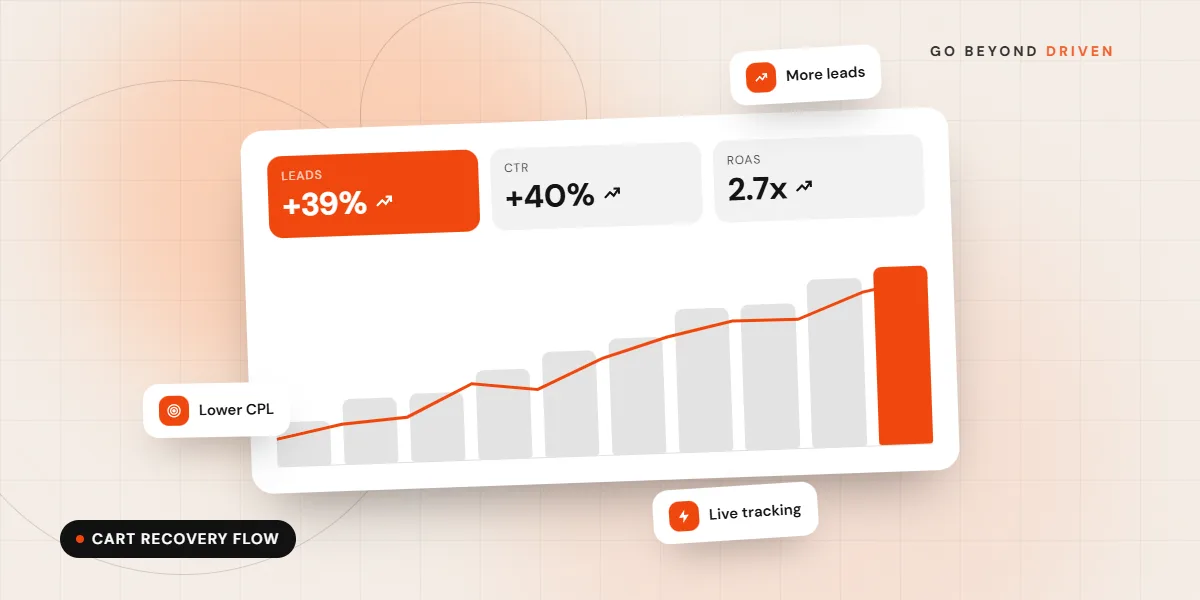
When a shopper adds items to cart and leaves after giving their number and consent, your store sends a templated message after a short delay, for instance an hour, with the product name, image and a link back to the cart. If they do not respond, a second message the next day can answer common doubts, such as delivery time, returns or payment options. Stop the sequence once they buy.
Discounts are optional. Many stores recover carts with a helpful reminder alone, and keep coupons for carts above a set value, so they do not train customers to wait for a code. The consent point matters: you need clear opt-in at checkout, not an assumed one. Our guide to abandoned cart recovery compares WhatsApp with email and SMS reminders.
How can WhatsApp reduce cash on delivery returns?
Cash on delivery remains common in India, and so are refused deliveries. A WhatsApp confirmation sent soon after the order, asking the buyer to confirm the address and order with a tap, filters out fake or hesitant orders before you pay for shipping. Orders that are not confirmed within a set time can be held or called.
You can also offer a prepaid link with a small, clear benefit, such as free shipping or a modest discount, for those who prefer to pay by UPI. Be honest about terms and do not pressure customers. The aim is fewer returns to origin, lower shipping waste and a better delivery experience, and you can track this by comparing refused delivery rates before and after you launch the flow. Also keep a short manual process for edge cases, such as a customer who wants to change the address or delivery slot, so the automated flow never becomes a dead end.
What a COD confirmation message should include:
What opt-in and template rules do you need to follow?
WhatsApp requires businesses to get permission before sending marketing messages, and to use approved message templates when starting a conversation outside the customer service window. Collect consent at checkout, on a form or by a customer messaging you first, say what they will receive, and keep a record. Messages in the 24 hour window after a customer writes to you are more flexible than template messages.
WhatsApp also scores your number on quality. If many recipients block or report you, your messaging limits can fall. Send fewer, more relevant messages, segment by behaviour, and honour opt-outs immediately. Policies and pricing categories change, so check Meta's current documentation or ask your provider. Our WhatsApp Business API guide explains templates and setup.
FAQs: What opt-in and template rules do you need to follow?
Can I message customers who have not opted in?
You should not. WhatsApp policy expects businesses to have permission before sending marketing messages, and unsolicited messages risk blocks, reports and a lower quality rating for your number.
Do I need the API or is the Business app enough?
The Business app suits small stores with a few chats a day. Once you need automation, multiple agents, order system integration or large volumes, the API through a provider is the usual route.
How much does WhatsApp marketing cost for an online store?
Cost has three parts: the provider or platform fee, which is often a monthly charge that varies by plan; Meta's per-message charges, which depend on the message category and country and change over time; and setup or management work. Check the current Meta rate card and your provider's pricing, because both have been revised more than once.
Judge cost against revenue, not against message count. If recovering a handful of carts or cutting a few refused COD parcels each week pays for the tool, the channel is worthwhile. Our WhatsApp marketing cost in India guide goes through typical pricing structures and what to ask a provider before signing.
How do you connect WhatsApp with your store and ads?
Most stores connect WhatsApp to Shopify, WooCommerce or a custom platform through a provider that listens for events such as new order, cart creation and shipment update. Customer data flows to the provider, which sends the right template. Add a click-to-chat button on product pages, and consider a product catalogue inside WhatsApp so shoppers can browse without leaving the chat.
Click-to-WhatsApp ads send people from Instagram or Facebook straight into a chat, where your team or a bot can qualify and help them. Our click-to-WhatsApp ads guide covers the setup. Whichever route you pick, tag the source of each conversation so that you can see which campaign brought customers who actually bought. Keep the product catalogue and stock levels accurate, since nothing frustrates a shopper more than clicking a message for an item that is sold out.
When does it make sense to hire help for ecommerce WhatsApp marketing?
Bring in a specialist when you are sending more than a few hundred orders a month, when your COD returns hurt margins, or when you want carts, reviews and repeat purchases handled automatically. Setup involves business verification, templates, consent capture and integrations, and mistakes can reduce your message limits.
Go Beyond Driven plans and runs WhatsApp flows alongside ads, email and SEO for online brands, so the channels support each other. See our ecommerce marketing agency in Mumbai page for how we work, and our WhatsApp marketing services for the messaging side. We do not promise fixed recovery rates, because results depend on your product, price and audience.
Final thoughts
WhatsApp can lift ecommerce results when it is used to help shoppers finish orders and come back, with permission and relevance at its core. Start with order updates and one cart reminder, then add flows as results come in. If you would like a review of your store's messaging and checkout, book a free marketing audit with Go Beyond Driven, call +91 91378 79539 or email gobeyonddriven@gmail.com.