Website design for manufacturers is the practice of presenting your products, capabilities and credibility so that engineers, purchase managers and export buyers can judge you without a phone call. Most industrial buyers research online first, shortlist two or three suppliers and only then request a quotation. If your site shows vague product photos, no specifications and a single generic contact form, you may never reach that shortlist, however good your factory is. A well structured manufacturer website works as a quiet sales engineer: it answers technical questions, proves capability and makes it easy to send an enquiry. This guide covers the structure, content and technical details that matter.
What do industrial buyers want from a manufacturer's website?
Industrial buyers want to confirm four things quickly: that you make what they need, that you can meet their specification and volume, that your quality systems are credible and that you are easy to deal with. They are rarely moved by slogans. They scan for product names, materials, tolerances, capacity, lead times and certifications, then look for a quick way to ask for a quote.
Buyers also vary. A purchase manager may care about delivery and payment terms, while an engineer wants a datasheet and drawing. An overseas importer may look for export experience and packing details. Design the site so each person finds a route without reading everything. Clear product categories, downloadable documents and an obvious Request a Quote button usually serve all three.
Mumbai manufacturers have a particular advantage: many buyers already know the industrial belts around Bhiwandi, Taloja, Vasai and Thane, and they search for suppliers by location as well as by product. Mention your plant location clearly, since a buyer who wants a nearby supplier for faster sampling and site visits will filter on it. Keep the language simple and the facts specific, because procurement teams compare suppliers side by side in a spreadsheet and your site feeds that sheet.
How should a manufacturer structure its product pages?
Give every product or product family its own page, with a plain name, a short description in buyer language, a specification table, applications, available sizes or grades, and a clear call to action. One page per product lets Google match specific searches such as a part name plus material, and it lets buyers share the exact link with colleagues.
Keep the page practical. Lead with a clean image or drawing, then a spec table that can be read on a phone, followed by downloadable datasheets or catalogues as PDFs with descriptive file names. Add related products and a short note on customisation or minimum order quantity. Avoid publishing prices unless you really work that way, and instead invite a request for quotation.
A strong product page shows:
What should an RFQ form look like?
An RFQ form should be short enough to complete in a minute but detailed enough to let your sales team respond properly. Ask for name, company, phone or email, product of interest, quantity and a message, with an optional file upload for drawings. Place the form on every product page and the contact page, and pre-fill the product name so the enquiry arrives with context.
Then deal with the enquiry quickly. Industrial buyers often send the same request to several suppliers, so a prompt, specific reply stands out. Add a visible phone number and a WhatsApp option for buyers who prefer a quick conversation, since this is common in Indian B2B trade. Our guide to contact form design best practices covers the field-level details.
How do you show credibility, certifications and capacity honestly?
Show only what you genuinely hold. If you have ISO or other certifications, display the certificate name, scope and, where possible, a scan or verification detail. Describe your plant honestly: location, floor area if known, key machines, testing equipment, quality checks and approximate monthly capacity. Photographs of the real shop floor outperform stock images of unnamed factories.
Add proof in forms buyers can verify: the industries you supply, the standards you work to and the process from order to dispatch. Avoid unverified claims, and never list client names without permission. If you export, mention the regions you ship to and your packing and documentation practice, in plain facts. A short 'how we work' page explaining sampling, inspection and delivery reassures new buyers more than adjectives do.
Keep these details updated. A certificate that has expired but still sits on your page is worse than none, because it signals carelessness to a careful buyer. Set a calendar reminder to review certificate dates, machine lists and capacity figures every quarter, and remove anything you can no longer support.
Do manufacturers need a separate export or multilingual site?
Not always. Many Indian manufacturers do well with one clear English site that has export-ready information: shipping terms you offer, payment methods, documentation and country-specific contact details. A separate site is only worth the effort when you serve very different markets with different product ranges, languages or regulations.
If you target regional or overseas buyers in other languages, translate the key pages properly rather than using automatic tools for technical text. Use clear language tags and keep product names consistent across versions. Test the site from different locations, as slow loading from distant servers can lose overseas visitors. A good host or a content delivery network usually fixes this at modest cost.
FAQs: Do manufacturers need a separate export or multilingual site?
Should a manufacturer publish a full online catalogue?
Yes, if you can keep it organised. A web catalogue by category, plus downloadable PDF catalogues, helps buyers and search engines. Avoid one giant PDF as the only option, since it is hard to search and share.
Do I need an online shop for B2B products?
Only if buyers can order standard items without negotiation. Many manufacturers do better with a catalogue and RFQ flow, since quantities, specifications and pricing vary by order.
How does a manufacturer's website get found on Google?
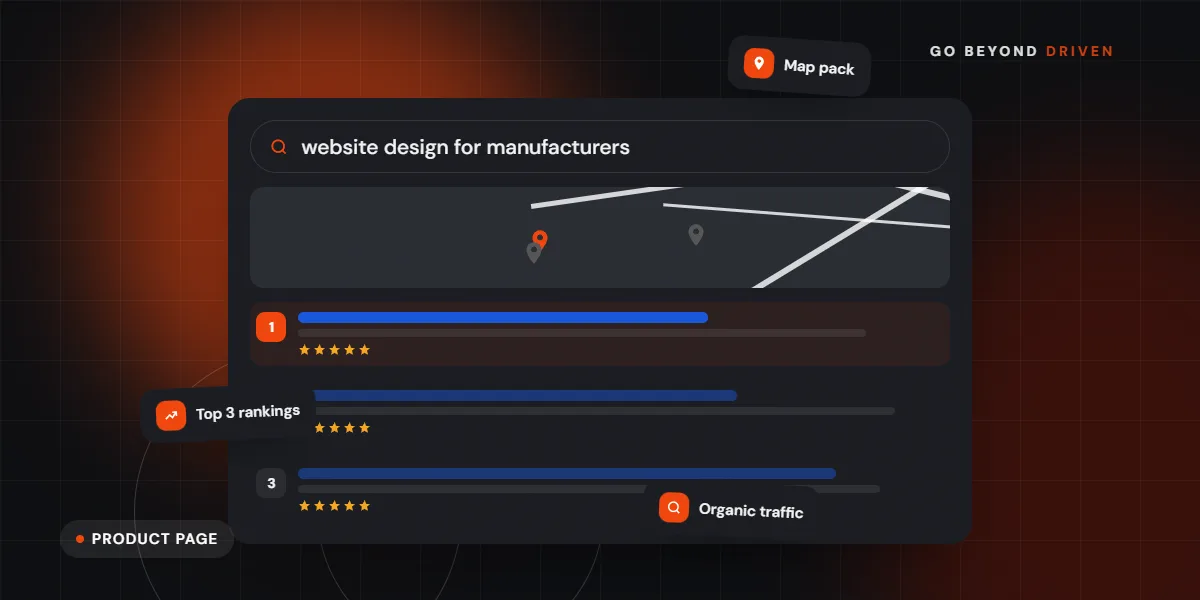
Manufacturer sites get found when each product, material and application has its own descriptive page, with the terms buyers actually type in the title, headings and specification text. Buyers search with product names, standards, materials and phrases such as 'manufacturer in Mumbai' or 'supplier in Bhiwandi', so include real location information on your contact and about pages and set up a Google Business Profile for your plant or office.
Technical health matters as well. Make pages fast, avoid hiding specifications inside images, add descriptive file names and alt text, and use structured data for your organisation and products where appropriate. Search takes time, so plan for months rather than weeks. Our page on digital marketing for manufacturers explains how search, ads and content work together.
What are the common mistakes on manufacturer websites?
Typical mistakes include listing 'all types of' products with no detail, using low resolution images copied from catalogues, burying contact details, offering only a generic enquiry form and leaving out specifications because 'customers will call anyway'. Many sites also load slowly because of oversized images or auto-playing video, and some are not usable on mobile, even though many buyers check suppliers on a phone between meetings.
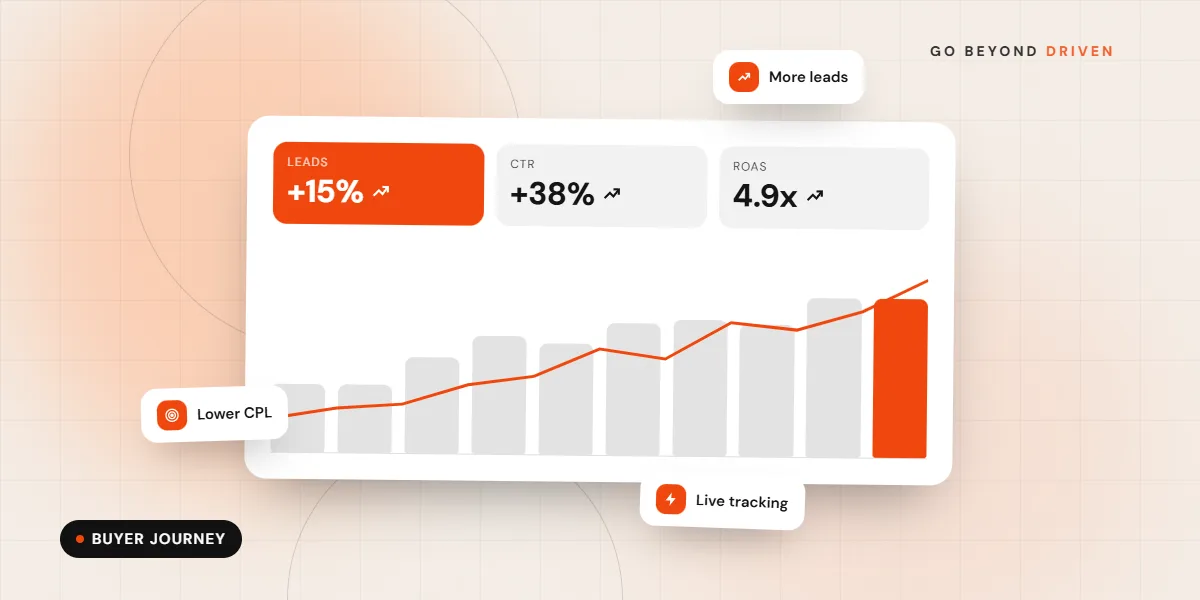
Another common gap is no tracking. If you cannot see which pages bring enquiries, you cannot improve them. Set up form and call tracking, review enquiries monthly and note which products draw the most interest. Also keep documents current, because a catalogue showing discontinued products or an old address damages trust. For a broader view, read our guide on B2B website design.
Finally, ask yourself whether a stranger could use the site to prepare a request without calling you. If they cannot find dimensions, materials or typical delivery times, the site is still a brochure rather than a sales tool. Ask a colleague from outside sales to try it, since fresh eyes spot gaps quickly.
Quick manufacturer site audit:
When should a manufacturer hire a web design partner, and what do we do?
Hire a partner when your site is a plain brochure that brings no enquiries, when you are entering new markets, or when your team lacks time to organise product content. A specialist should help with structure, copywriting, technical SEO, speed and lead tracking, not just a visual redesign.
Go Beyond Driven builds fast, search-friendly sites through our website design and development service, and supports industrial brands with lead generation through our B2B digital marketing agency team. We work from the buyer's questions, organise your catalogue into pages that can rank, and set up RFQ tracking so you can see what brings quotes.
Final thoughts
A manufacturer's website earns its place when a buyer can verify what you make, trust how you make it and ask for a quote without friction. Build product pages with real specifications, show honest proof of capability and track every enquiry. If you want a candid review of your current site, book a free marketing audit with Go Beyond Driven, call +91 91378 79539 or email gobeyonddriven@gmail.com.