
B2B website design is the planning and building of a website for companies that sell to other businesses, where buyers research carefully, involve several people and often take weeks or months to decide. A good B2B site does not try to close a sale on the first visit. It helps a busy buyer quickly confirm that you serve their industry, understand their problem, have proof of results and are easy to talk to. That means clear positioning, strong service and industry pages, case studies, downloadable resources and simple lead capture, all supported by a site that loads fast and reads well on a phone. This guide covers the decisions that matter most.
How is B2B website design different from B2C?
B2C sites often aim for a quick purchase. B2B sites support a considered decision with higher value, more risk and more people involved: a user who searches, a manager who evaluates, a finance head who approves and sometimes a director who signs. Each wants different information, from technical specs to pricing logic to references.
So B2B design leans on clarity, credibility and depth rather than impulse. The call to action is usually a conversation, a quote, a demo or a download, not an instant checkout. Your site has to work for visitors at different stages, from someone just learning about the problem to someone ready to request a proposal.
What pages does a B2B website need?
At minimum: a homepage that states what you do and for whom, individual pages for each core service or product, pages for the industries you serve, case studies, an about page with real people, a contact page and a resources or blog section. Add a clients or certifications page if you have verifiable ones.
Give each service its own page rather than listing everything on one. Buyers search for specific needs, such as industrial automation for pharma or payroll software for manufacturers, and a dedicated page can match that search and speak directly to it. Our guide to business website essentials covers the basics, and the same logic applies to a B2B site with more depth.
Add a short page for the questions your sales team hears every week, such as lead times, minimum quantities, payment terms, service areas and compliance. Buyers who find those answers early arrive at the call better informed, and your team spends less time on unqualified enquiries.
Core B2B pages:
How should you structure the homepage of a B2B website?
Open with a headline that names the customer, the problem and the outcome in plain words, followed by one supporting line and a primary action such as Request a quote. Below that, show who you serve, what you offer in three to six blocks, proof such as client logos you have permission to use, and a short explanation of how working with you begins.
Keep jargon under control. Technical buyers value precision, but every buyer values clarity. Add a section that handles common doubts, such as minimum order size, delivery timelines, certifications and support. Finish with a second call to action. See our high-converting homepage components for a layout checklist.
How do you build trust on a B2B website?
B2B buyers are risk-averse, so show evidence. Publish case studies that describe the situation, what you did and what changed, with permission and without invented numbers. Show real team members, your location, years in business, certifications, GST and registration details where relevant, and client names or logos you are allowed to display.
Detail beats adjectives. Instead of we are reliable, explain your process, quality checks, response times and guarantees you can honestly keep. Reviews on trusted platforms and mentions in industry bodies help as well. Learn how to write them in our guide on how to write a case study.
What content works for long B2B buying cycles?
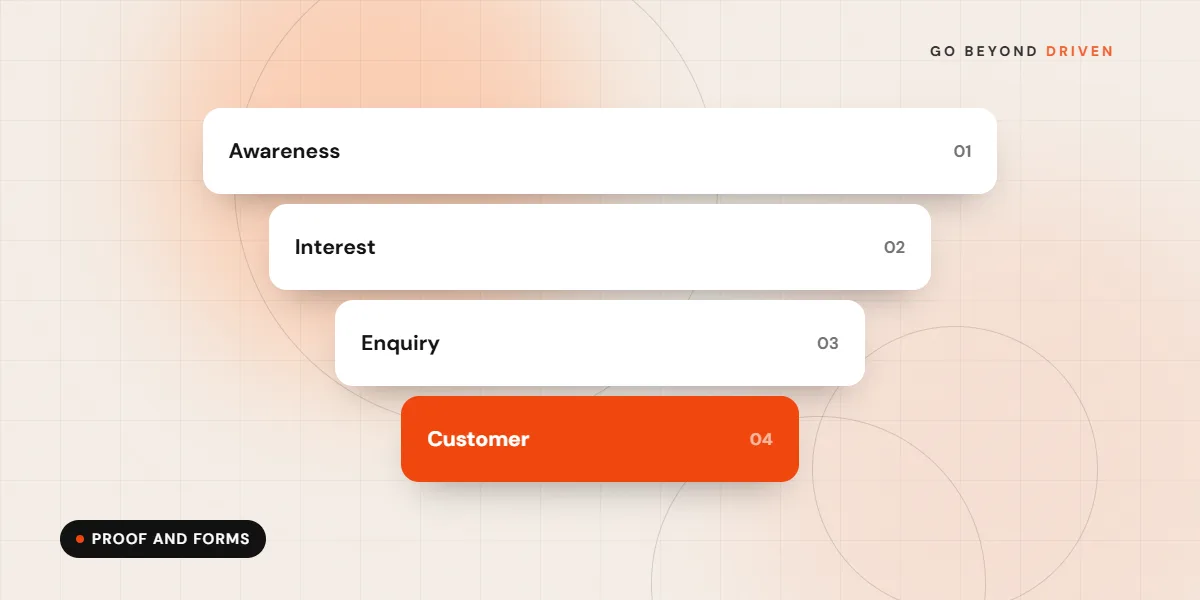
Think in stages. Early on, buyers search for educational answers: guides, comparisons and checklists. In the middle, they want proof and detail: case studies, specifications, sample reports and process explanations. Near the end, they need reassurance and a path to act: pricing guidance, proposals, trials and conversations with your team.
Gated resources such as a buyer's guide or a cost calculator can capture leads, but keep forms short and make sure the content is genuinely useful. Pair each resource with a follow-up sequence by email or WhatsApp. For ideas, see our B2B content marketing strategy.
FAQs: What content works for long B2B buying cycles?
Should B2B sites gate their content?
Gate only high value assets such as detailed guides or tools, and keep shorter explainers open. If every page needs a form, buyers leave and search visibility suffers.
Should B2B sites show prices?
If your pricing is simple, show it or a range. If it varies by scope, explain what affects the price and offer a quick quote, so buyers can self-qualify.
How should lead capture and calls to action work?
Offer more than one way to start: a quote form, a click-to-call number, a WhatsApp chat and a meeting link. Many Indian B2B buyers prefer a quick call or WhatsApp message to a long form. Keep forms short, asking for name, company, phone, email and a brief requirement, and explain what happens next and how fast you will respond.
Match the call to action to the stage and place it where the question arises: at the end of a case study, within a service page and in the sticky header. Connect forms to a CRM or at least to a shared inbox with clear ownership, so leads are never lost. Our CRM for small business guide explains setting this up.
How do you make a B2B website easy to find?
Plan the site around how buyers search: service plus industry plus location, problem phrases and comparison terms. Build separate pages for each, with a unique title, clear headings, internal links and useful detail. Add schema markup, fast loading and a clean mobile design, and make sure your Google Business Profile matches the site.
Support search with content that answers real buyer questions and links back to service pages. If your sales team hears the same question repeatedly, it deserves a page. Our B2B digital marketing agency page describes how search, ads and content work together.
Page elements B2B visitors look for:
Which design details matter on a B2B site?
Keep the design clean and professional rather than flashy, and let the content, not animation, carry the page. Use readable typography, strong contrast and plenty of space, and keep navigation simple, with clear labels. Use real photographs of your team, facility or work rather than generic stock photos, which weaken credibility.
Make downloads and spec sheets easy to find and open on a phone. Design tables and comparison charts so they work on small screens. Check accessibility, since procurement teams may include people with different needs. Test the site speed on mobile data, as many decision makers check sites on a phone first.
Plan for the sales handover too. Add a thank-you page that tells the buyer what happens next, send an instant confirmation, and make sure the person who receives the lead knows how fast to respond. A good form on a slow follow-up process still loses the deal.
How do you measure and improve a B2B website?
Track leads by source, form completion rate, calls and WhatsApp clicks, and, most importantly, lead quality. Agree with sales which enquiries are qualified, and feed that information back into marketing decisions. Page-level analytics show which service pages attract the right visitors and where they drop off.
Review the site quarterly: update case studies, add questions from sales calls, test headlines and calls to action, and prune pages that do not serve a purpose. Small, steady changes based on real enquiries beat a full redesign every few years. Our conversion rate optimisation services follow this approach.
Final thoughts
B2B website design succeeds when it matches how businesses buy: clear positioning, relevant pages, visible proof and easy ways to start a conversation. Build for the buyer's questions first, and let design support them. To see how your current site could attract more qualified enquiries, request a free marketing audit from Go Beyond Driven, or see our website design and development services.