Architect website design is the work of building a practice's site so that it shows how you think, not just what you have built, and brings in enquiries from the clients and project sizes you want. A homeowner planning a bungalow in Alibag, a housing society weighing redevelopment and a hospitality group scouting an architect all judge you through the same website, but they look for different things. Beautiful photographs are necessary, but they are not enough. This guide covers the pages an architecture website needs, how to structure project pages with drawings and context, how to explain your process and fees, what professional rules mean for content, and how to design the enquiry route so you hear from the right clients.
What should an architect website include?
An architect website should include a curated project portfolio filterable by sector, individual project pages, a page explaining your design process and services, a practice and team page, publications or recognition if real, a page for each sector you want to grow, contact details and an enquiry form. Show your Council of Architecture registration details for the principal architects, since clients and developers increasingly check.
Decide what work you want more of before deciding what to show. If you want institutional and hospitality projects, lead with those, even if most of your billing is residential. The portfolio shapes the enquiries you get. Our general guide to portfolio website design covers curation basics, while this guide focuses on what is specific to architecture practices.
Pages an architecture site needs:
How should architecture project pages be structured?
Structure each project page as a short story: the brief, the site and its constraints, the key design moves, the outcome, and the facts. Facts include location, typology, built-up area, status, year, team and collaborators, with photographers credited. A paragraph on the problem the design solved, such as light in a deep Mumbai plot or ventilation in a tight redevelopment footprint, says more about your thinking than ten more photos.
Include drawings: a site plan, a key plan or section, and a concept sketch where you can share them. Clients who are not architects still respond to seeing how a building was thought through. Respect client privacy for private residences by avoiding exact addresses and interior photos the owners have not approved, and make sure you have rights to use every photograph you publish.
Write project text for clients, not juries. Phrases like 'a dialogue between mass and void' mean little to a homeowner or a society committee. Explain decisions in plain words: why the staircase moved to the side, how the plan keeps rooms cooler through the afternoon, or how parking was handled on a narrow plot. Keep each project page to a few hundred words, with captions on key images, so it is easy to scan on a phone.
Which sectors and audiences should an architect website speak to?
Speak to the two or three audiences you most want, each with its own page. Private homeowners care about how the process feels, timelines, cost control and whether you listen. Developers and housing societies care about approvals experience, efficiency of layouts, saleable area and coordination with consultants. Corporate and hospitality clients care about delivery on programme, brand fit and track record at scale.
A sector page can explain the typical questions in that sector, the kind of projects you have done and the way you work with that type of client, then link to relevant projects. In Mumbai, society redevelopment is a common reason committees search for architects, and a page that explains your role in such projects, without legal or financial promises, can attract better-informed enquiries.
How should an architect explain the design process and fees online?
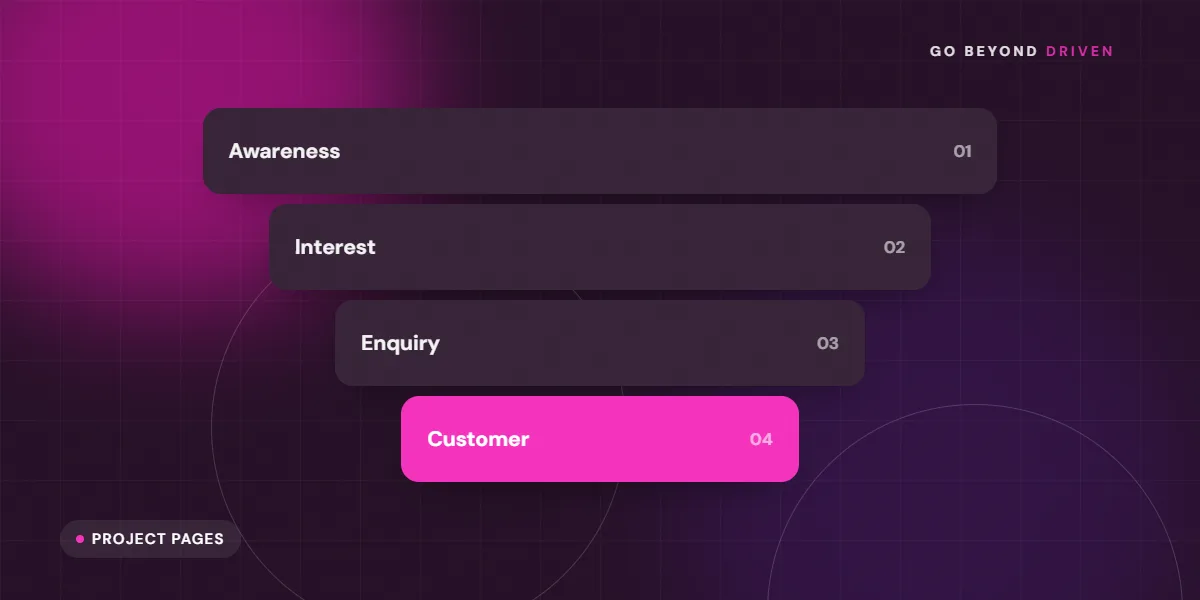
Explain the process in stages, because clients who have never hired an architect do not know what to expect. A typical sequence runs from brief and site study to concept design, design development, approvals, working drawings and site coordination. For each stage, describe what happens, what the client decides and what they receive. This reduces the anxiety that stops many homeowners from enquiring.
On fees, many practices explain how they charge, such as a percentage of project cost, a lump sum or stage-wise billing, without publishing a rate card. Saying that fees depend on scope, scale and stages involved, and explaining what drives them, helps filter enquiries. Mention that you can share a fee proposal after a first meeting, so expectations are set early.
FAQs: How should an architect explain the design process and fees online?
Should architects show project costs on their website?
Most avoid exact costs because clients may treat them as quotes. Describing scale and typology, and explaining what drives cost, is usually more useful and less risky.
Can an architect show unbuilt or competition projects?
Yes, if they are labelled clearly as unbuilt, concept or competition entries. Mixing them with completed work without labels can mislead visitors.
What do professional rules mean for an architect's website?
Professional rules mean the website should stay factual and avoid aggressive promotion. The Council of Architecture's professional conduct regulations place limits on how registered architects advertise and solicit work, so read the current regulations and any guidance before you publish claims, offer discounts or run promotional campaigns. When in doubt, describe your work and approach rather than selling it.
Practically, this means no unverifiable superlatives, no guarantees about approvals or timelines that depend on authorities, accurate credits for collaborators and consultants, and clear labels for work done at a previous firm. Display registration numbers correctly. A factual, well presented site is both safer under the rules and more persuasive to the serious clients you want.
How should the enquiry route be designed for architects?
Design the enquiry form to qualify, because architects usually want fewer, better enquiries. Ask for name, contact details, project type, location, approximate plot or built-up area, stage (land acquired, design needed, approvals pending), expected timeline and a short description. A budget band question is useful if phrased gently. These fields help you prioritise and prepare for the first call.
Add a short note on what happens after an enquiry, such as a call within two working days and a first meeting at the studio or site. Offer email and phone as well as the form, and a WhatsApp option for quick questions. Our guide to digital marketing for architects covers how to bring the right visitors to these pages.
Fields that qualify architecture enquiries:
What would an architecture practice's website plan look like? A worked example
Say a five-person practice in Mumbai does mostly private residences but wants more society redevelopment and small hospitality projects. A practical site would have about 25 pages: home, a portfolio grid with filters, twelve strong project pages, three sector pages for residences, redevelopment and hospitality, a process page, a practice page, publications and contact. Older or weaker projects stay off the site, even if they were profitable.
Over the next six months, the practice adds one detailed project page a month and shares each one on Instagram and LinkedIn. It tracks enquiries by sector through the form, and notes which project page each enquirer viewed first. If redevelopment enquiries arrive but are mostly small, the practice can rewrite that sector page to explain the scale it takes on. This is a hypothetical plan, but it shows how a site is tuned over time rather than finished once.
How do you keep an image-heavy architecture website fast?
Keep it fast by resizing and compressing every image before upload, serving modern formats such as WebP, loading images lazily as visitors scroll, and avoiding full-screen autoplay video on the home page. Architecture sites often use very large photographs that look stunning on a studio monitor but take far too long to load on a client's phone.
Use a clean, minimal layout with generous white space and one or two typefaces, so the work carries the design. Avoid heavy animation and scroll effects that make navigation confusing. Make sure project grids are easy to filter on mobile, and that drawings remain legible on small screens, offering a larger view on tap. Our guide to website speed and Core Web Vitals explains what to measure.
When should an architect hire a website designer, and what does Go Beyond Driven do?
Hire help when your current site does not reflect the quality of your recent work, when you want to move into a new sector, when the site is slow or hard to update, or when no one in the studio has time to write and maintain project pages. A good partner will ask which clients you want, review your project archive and help you choose what to leave out.
Go Beyond Driven builds architecture websites with project page templates that tell the story of each building, sector pages for the work you want, fast image handling and enquiry forms that qualify leads. Our website design and development team handles structure, build and tracking, so your studio can focus on design.
Final thoughts
An architect's website wins better commissions when it explains your thinking, shows the right projects in depth and makes it easy for the right clients to start a conversation. Curate hard, write project pages with context and drawings, explain your process and keep everything factual and fast. For an outside view of your current site, book a free marketing audit with Go Beyond Driven, or call or WhatsApp +91 91378 79539.