

Website design for interior designers is about proving taste and reducing risk at the same time. A homeowner in Mumbai is about to hand over lakhs of rupees and weeks of their home life, so your site has to show finished work, explain how you operate and make it easy to start a conversation. A good interior designer website is fast on a phone, led by strong project photography, organised by room or style, and clear about budgets, process and timelines. This guide covers the pages you need, how to present projects, what to write, how to handle enquiries and the mistakes that quietly cost studios leads.
What does an interior designer website actually need to do?
It needs to do three jobs in order: build confidence in your taste, answer the practical questions a client is nervous about, and make the first step feel small. Most visitors arrive from Instagram, Google or a friend's recommendation, and they decide within seconds whether your style matches theirs. If the first screen shows a real, finished space rather than a stock image or a slogan, you win that first test.
After that, visitors look for proof that you can deliver. They want to know how you charge, how long a typical flat takes, who manages site work and whether you handle civil, carpentry and furnishing together. A site that answers these openly filters out poor-fit enquiries and builds trust with the right ones, which saves your team time on calls that were never going to convert.
Which pages should an interior designer website have?
Start with a focused set: Home, Projects, a page for each service line, About, Process, Contact and a short FAQ. Add a Journal or Blog if you plan to publish regularly. Keep the main menu to five or six items so visitors on a phone are never lost. If you work in several cities or segments, such as residential flats, villas and offices, give each its own landing page instead of crowding everything onto one.
Service pages deserve more attention than most studios give them. A page titled for full home interiors, another for modular kitchens and another for commercial fit-outs lets each one speak to a specific buyer and rank for its own search. Our guide to business website essentials lists the baseline pages every service business should have in place.
Core pages to plan first:
How should you show projects on an interior design website?
Treat each project as a short case study, not a photo dump. Give it a name, a location such as Powai or Juhu, the home type, the size, the brief and two or three paragraphs on the decisions you made: storage solutions for a compact 2 BHK, how you handled natural light, which materials you chose and why. A hero image, five to ten strong photographs and one plan or before photo is usually enough to tell the story.
Make the gallery easy to filter by room, style or budget band so visitors can find work that resembles their own flat. Use compressed images that load quickly on mobile networks, and write proper alt text for each so the work is findable in image search. Never use renders alone when you have finished photos; if a project is still in progress, say so honestly.
Does photography really matter that much?
Yes, it matters more than almost any other design choice on the site. Clients judge your skill through the images, and poorly lit phone photos can make good work look average. Budget for a professional shoot of your best two or three projects each year, ideally in daylight with the home styled and cleared. Those images will serve your website, social media and proposals for months.
If budget is tight, shoot fewer projects well rather than many badly. Capture wide room shots, detail shots of joinery and hardware, and a few photos showing how a space is lived in. Straighten verticals, keep colours true, and avoid heavy filters. Consistent quality across the portfolio signals consistent quality on site, which is the real thing a client is buying.
Shots every project should have:
What should you write about your design process?
Describe the journey in plain steps: first consultation, brief and site measurement, concept and mood boards, 3D visuals, material selection, quotation, execution, handover and after-sales support. Add a rough timeline for each stage and say who the client speaks to. Even a hedged range, such as several weeks for design and a few months for execution on a typical flat, calms a nervous buyer more than silence does.
Explain how you price without promising a number. Mention whether you charge per square foot, as a design fee plus execution, or as a percentage of project cost, and what a free first meeting includes. People in Mumbai often compare three studios, so clarity on payment stages, GST and warranty terms helps you stand out from those who keep it vague.
FAQs: What should you write about your design process?
Should an interior designer publish prices online?
You do not need exact quotes, but publishing a starting range or the factors that drive cost helps. It discourages mismatched enquiries and shows you are transparent, which builds trust with serious clients.
How many projects should the portfolio show?
Eight to fifteen strong, well documented projects beat fifty mediocre ones. Show variety in size and style, but keep every project at the quality level you want to be hired for.
How can the website bring in enquiries?
Place a clear call to action in the header, after every project and at the bottom of each service page. Offer a short enquiry form asking only for name, phone, city, property type and approximate budget, plus a WhatsApp button, since many Indian clients prefer a quick chat to a long form. Add click to call on mobile. Each extra field you demand can lose you a lead, so keep forms short.
Make sure every enquiry reaches a person quickly. Send submissions to email and your CRM, and reply on the same day, because homeowners often contact several studios in one evening. Our post on contact form design best practices covers field choices, error messages and confirmation screens in detail.

How do interior designers get found on Google?
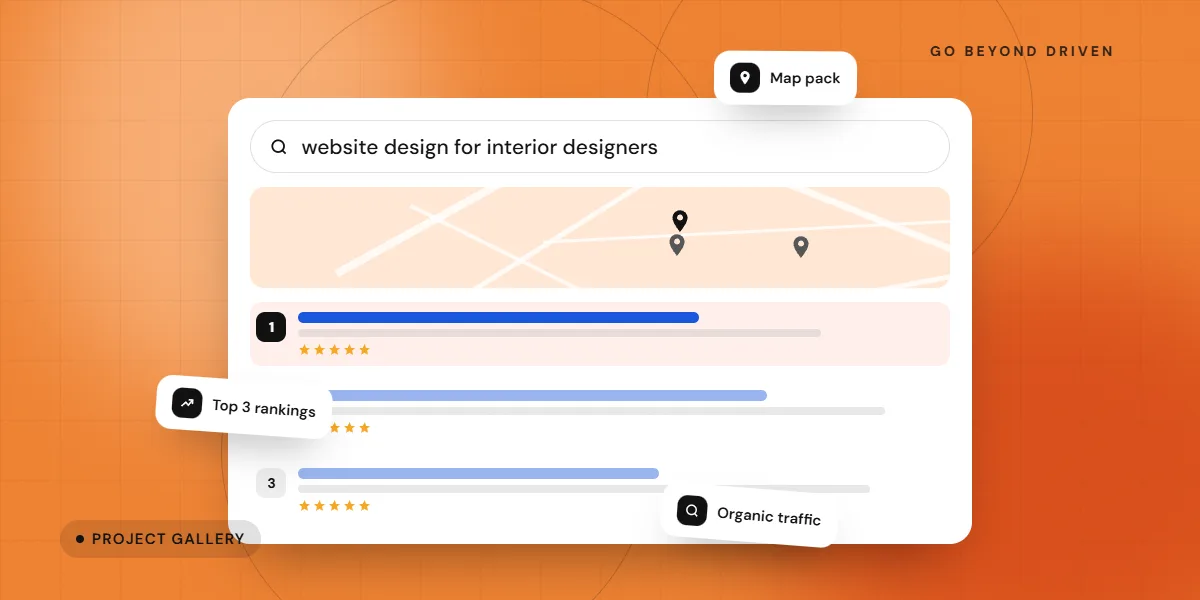
Search visibility comes from clear service pages, locality-aware content and a well maintained Google Business Profile. Write pages around searches people actually use, such as 2 BHK interior design in Thane or modular kitchen designers in Andheri, and mention the localities you really serve. Add project pages with descriptive titles and image alt text, and collect reviews from past clients after handover.
Link your website to Instagram and Pinterest, but treat the site as the place where a decision gets made. If you want help turning the site into a lead source, our digital marketing for interior designers page explains how SEO, ads and social media work together for studios in Mumbai.
What technical details separate a good site from a slow one?
Image-heavy sites are prone to slowness, and a gallery that takes eight seconds to load on a 4G connection loses visitors. Use modern image formats, lazy loading, correct sizing for mobile screens and a reliable host. Aim for pages that feel instant on a mid-range Android phone, since that is how many of your clients will browse in the evening or on a commute.
Add the basics as well: an SSL certificate, a clean URL structure, structured data for your business, accessible colour contrast and a sensible cookie notice if you use analytics. Our website speed and Core Web Vitals guide explains how to measure performance and fix the usual image problems.
Which mistakes should interior designers avoid?
Common errors include a full-screen slider that hides the work, tiny text over photographs, a portfolio with no project details, a contact page buried in the footer and a site that looks different from the Instagram feed. Another frequent problem is using the same generic copy as every other studio, such as we create spaces you love, which says nothing about how you work or who you serve best.
Also avoid outdated projects, broken links, missing mobile layouts and forms that go to an inbox nobody checks. Review the site every quarter, retire weak images, add new projects while the details are fresh and test every enquiry route yourself. A small, current, honest site almost always beats a large site that looks abandoned.
Final thoughts
The best website design for interior designers is simple: real projects, honest process, fast pages and an easy way to start a conversation. Build it around the client's worries and your portfolio will do the selling. If you would like an outside view of your current site or a plan for a new one, book a free marketing audit with Go Beyond Driven, or explore our website design and development services in Mumbai.