Social media marketing for gyms means using Instagram, Facebook, YouTube and WhatsApp to show people what training with you is really like, and then moving the interested ones to a trial session or a floor visit. It works because gym buyers are local, emotional and cautious. They want to see the space, the trainers, the crowd and the results before they commit. A gym that posts only offers looks like every other gym. One that shows real members, honest coaching and a clear next step builds trust before anyone walks in. This guide covers what to post, how to turn attention into trials, and how to keep members once they join.
Why does social media matter so much for gyms?
A gym sells a product that cannot be judged from a brochure. People decide on atmosphere, equipment, cleanliness, trainer quality and whether they will feel comfortable there. Social media lets a prospect check all of this from their phone, usually late at night and often after a friend has mentioned your name. Your profile is effectively a free tour that runs around the clock.
It also matters because fitness buying is local. Someone in Andheri or Thane is rarely going to cross the city to train, so your audience is small and findable. That is good news: you do not need a million followers, you need the right few hundred people within a short commute seeing your content regularly and trusting what they see.
Which platforms should a gym focus on?
Instagram should be the main stage for most gyms, because the audience, the visual format and the discovery tools (Reels, location tags, Stories) all suit fitness. Facebook still helps for reaching older members, parents and people who respond to lead forms. YouTube is worth using for longer trainer explainers and class previews, and Google Business Profile deserves equal attention because many people search for gyms by area before they ever open Instagram.
WhatsApp is the closing channel. Most enquiries from social media end up as a message, so have a clean WhatsApp Business profile with a catalogue of memberships and a quick reply for pricing and trial booking. Pick two platforms you can run well rather than five you update randomly.
A sensible channel split for a single-location gym:
What should a gym post to build trust?
Post proof of experience, not just motivation quotes. Short clips of a trainer correcting a squat, a beginner doing their first assisted pull-up, a quick tour of the stretching area, a walkthrough of the machines for first timers. These answer the unspoken worry that new members carry: will I look out of place, and will anyone help me?
Mix in education, such as how to warm up, how to read a food label, or what to eat before an early workout in a Mumbai commute routine. Add a little behind the scenes: the morning opening routine, a trainer introducing themselves, equipment maintenance. Always get written or clear verbal consent before showing a member's face or progress photos, and avoid body shaming or unrealistic transformation claims.
How do you turn followers into trial sessions?
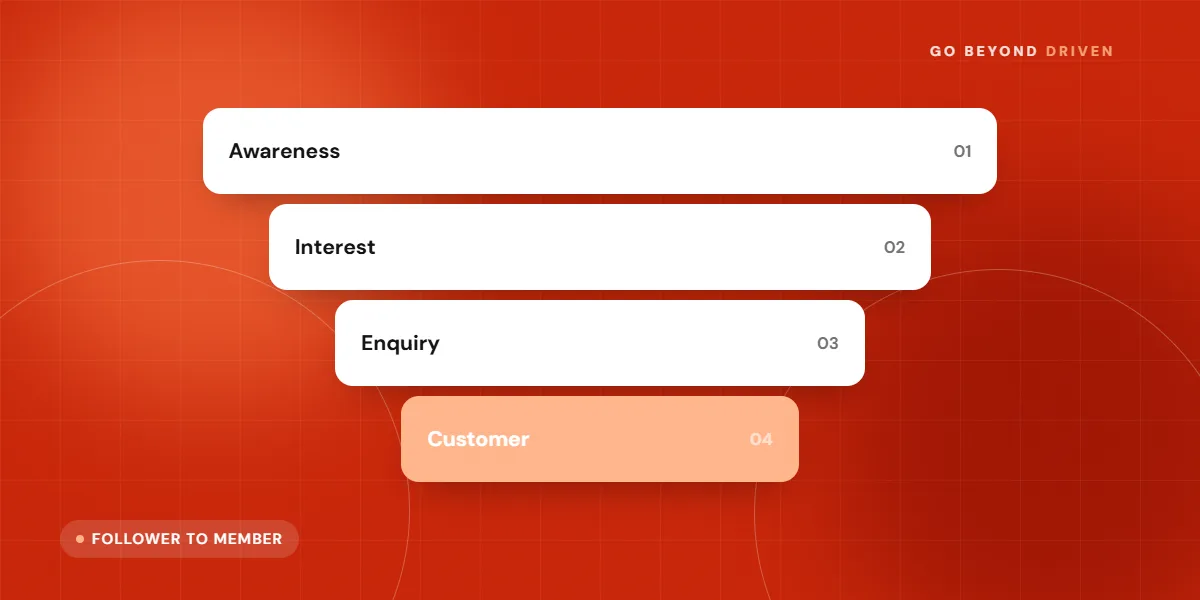
Make the next step obvious and low risk. A free or low-cost trial day, a one-week pass or a free fitness assessment removes the fear of commitment. Put it in your bio, in a pinned post, in Story highlights and at the end of every Reel caption, with one action: send a WhatsApp message with the word TRIAL, or tap the booking link.
Then reply fast. Enquiries from social media go cold within hours, so assign one person to respond and keep a short script: greet, ask their goal and preferred time, confirm the slot, send the location pin. When someone books, send a reminder the evening before. Many gyms lose trials simply because nobody followed up.
FAQs: How do you turn followers into trial sessions?
Should a trial session be free?
A free or low-cost trial lowers the barrier and often brings more serious visitors than a discount does. Cap it to one per person and use the visit to meet a trainer and explain membership options.
What should the bio say?
State what you offer, your area, your timings and one action, such as a WhatsApp link to book a trial. Keep it short and specific so a stranger understands it in five seconds.
Can paid ads help a gym get members?
Yes, especially in dense areas where several gyms compete. Meta ads with a tight radius around your location can reach people within a ten or fifteen minute commute. Use a clear offer, a real photo of your gym and a form or click-to-WhatsApp button. Our guide to click to WhatsApp ads explains how that setup works.
Start with a modest daily budget, test two or three creatives, and judge results by trials booked and memberships sold, not by likes. Retarget people who watched your Reels or visited your profile with a reminder of the trial offer. Paid campaigns amplify a good gym presence; they cannot rescue a profile that looks empty or unprofessional.
When is the best time to run gym promotions in India?
Demand has a rhythm. The new year brings the biggest wave of resolutions, and the weeks after Diwali and before a wedding season often bring people looking to get in shape. Monsoon months can be slower because commuting is harder, which is a good moment for referral offers, indoor challenges or short-term packs to keep the floor active.
Plan your calendar around these shifts instead of discounting at random. Heavy discounting can attract short-term buyers who leave quickly, while value-adds such as a free assessment, a nutrition session or a bring-a-friend week tend to attract people more likely to stay. See our festive season marketing ideas for ways to plan around Indian holidays.
How can social media reduce member churn?
Retention is cheaper than acquisition, and social media can support it. Celebrate milestones publicly with permission: a member's hundredth visit, a first unassisted pull-up, a completed challenge. Start a members-only WhatsApp group or broadcast list for class changes, timings and small tips, rather than flooding it with promotions.
Watch for the quiet drop-off. Members who stop attending for two weeks rarely announce they are leaving. A friendly message from their trainer works better than an automated renewal reminder. Challenges, step counts and attendance streaks give people a reason to return, and stories about members help prospects picture themselves in the same place.
Simple retention content to repeat monthly:
What mistakes do gyms make on social media?
The most common is posting only price offers, which trains the audience to wait for discounts. Others include using stock photos instead of the real space, showing crowded peak hours as if they were normal, ignoring comments and direct messages, and copying a big chain's glossy style when the gym's real strength is friendly, personal coaching.
Another frequent problem is inconsistent location details. Make sure your name, address, phone number and timings match across Instagram, Facebook and your Google profile. Also avoid health claims you cannot support, such as promising a specific weight loss in a set time. Honest, careful language protects both your reputation and your members.
How do you measure whether it is working?
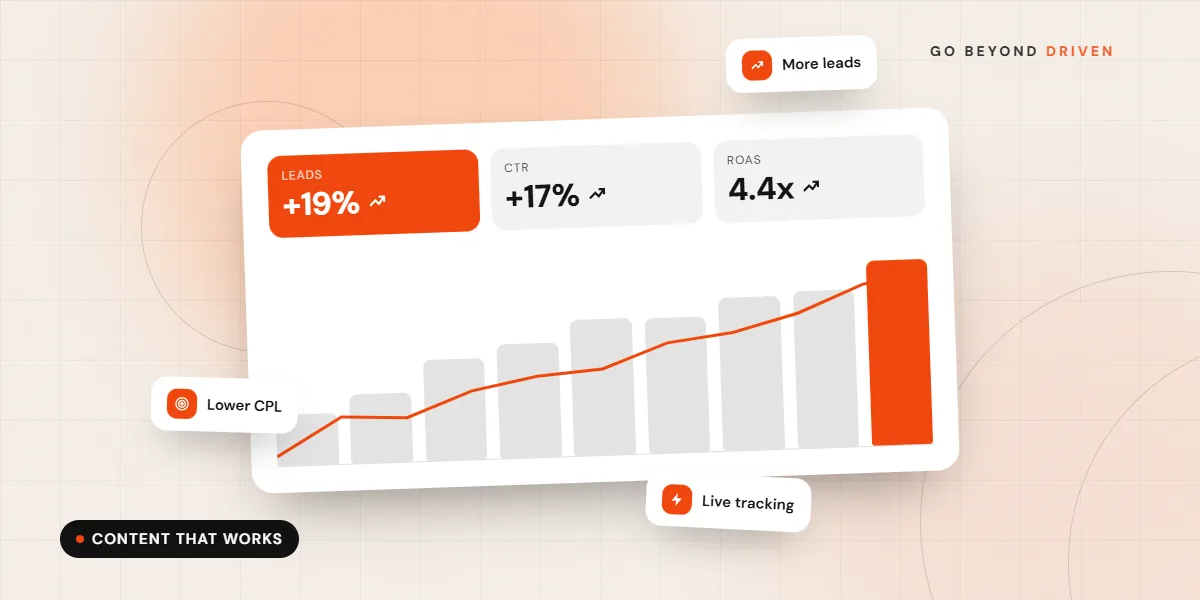
Track the path, not the applause. Count profile visits, WhatsApp enquiries, trials booked, trials attended and memberships sold each month, and note where each person came from by asking at the front desk. A simple sheet is enough. Compare the cost per membership against what a member is worth over six or twelve months.
Reach and engagement still help you learn which content people like, but they are inputs, not outcomes. For a wider view of what to monitor, read our guide to social media metrics to track. If numbers look weak, check follow-up speed and the trial experience before changing the content.
Final thoughts
Social media marketing for gyms rewards honesty, local focus and fast follow-up. Show the real floor, the real trainers and the real members, make the trial easy, and keep people engaged after they join. If you would like help planning content and campaigns for your fitness business, our social media marketing team at Go Beyond Driven can help. Book a free marketing audit, call +91 91378 79539 or email gobeyonddriven@gmail.com.