Social media copywriting is the craft of writing captions, on-image text, hooks and calls to action that make people stop scrolling, understand the point and take a next step. It is not about clever wordplay. Good copy tells the right person, in the first line, why this post is for them, then gives one useful idea and one clear action. In India, where audiences move between English, Hindi, Marathi and Hinglish, and scroll on small screens in noisy places, short and specific wording works best. This guide explains hook types, caption structures, platform differences, how to handle language and tone, and how to test what works, with examples you can adapt to your own business.
What makes social media copy work?
Effective copy does three jobs in order. It earns attention in the first line, it holds interest by being clear and relevant, and it prompts one action. If the first line is a greeting or a brand name, most people have already moved on. Think of it as a short conversation with one reader, not a notice to a crowd.
It also helps to remember that the picture or video does half the job. Copy and visual should work as a pair: the image shows what, the words say why it matters to this person. Repeating the headline in the caption wastes space. Use the caption to add context, a detail or an invitation.
How do you write a hook that stops the scroll?
A hook is the first line or first three seconds. Strong hooks are specific. They name a person, a number, a mistake or a question the reader recognises. Examples: Most Mumbai cafes lose customers in the first five minutes, here is why. Three things to check before you book a wedding photographer. Why does your monsoon sale never get enquiries?
Avoid vague openers like Exciting news or Did you know. Do not promise something the post does not deliver, since that damages trust and wastes the reader's time. Write five hook options for every post and choose the one that is clearest, not the one that is cleverest. Our guide to Reels script writing covers spoken hooks.
Hook types that work:
What is a simple caption structure to follow?
A reliable structure has four parts. The hook names the reader or problem. The body gives the main idea in three to five short lines, with a tip, a step or a story. The proof adds a detail, example or reason to believe. The call to action says what to do next. Use line breaks, so the caption reads easily on a phone.
For example, a dentist in Ghatkopar could open with a question about sensitivity to cold drinks, give three common causes in plain words, add a note that these are general and that a check-up is needed for diagnosis, then invite people to book a visit. That is helpful, honest and clear, without scare tactics or claims about cures.

How does copy differ across Instagram, LinkedIn and Facebook?
Instagram rewards short, visual and personal writing. Keep the first line strong, since only a few words show before the truncation, and use carousels for step-by-step ideas. LinkedIn suits longer first-person posts with a lesson, short paragraphs and a professional but human tone. Facebook still serves local communities, events and offers, with clear details such as date, place and price.
On every platform, write for the viewing context. Many people watch with sound off, so on-screen text must carry the message. Hashtags help discovery modestly; use a few relevant ones, not thirty. Our Instagram hashtag strategy post explains how to choose them, and the social media marketing strategies guide places copy within a wider plan.
Should you write in Hinglish or regional languages?
Write in the language your customers use when they talk to you. Hinglish suits casual consumer brands, food, fashion, fitness and entertainment, while formal sectors such as law, finance and healthcare may prefer plainer English with a Hindi or Marathi version for local reach. Mixed language works when it sounds natural, not forced.
Avoid jokes and slang that may confuse or offend part of your audience, and have a native speaker read regional copy before it goes live. Use the same spelling for brand and product names everywhere. If you are unsure, test two versions of the same post and look at saves, comments and replies, not just likes.
FAQs: Should you write in Hinglish or regional languages?
Is it okay to use emojis in business posts?
Yes, in moderation. Use them to guide the eye or add tone, not to replace words. Keep them consistent with your brand voice and avoid them in sensitive topics.
How long should a caption be?
As long as it needs to be. Short captions suit simple visuals. Longer ones work for stories and tips when the first line is strong and the formatting is easy to scan.
What calls to action work on social media?
A good call to action is single, specific and low effort. Compare Contact us with Comment CHECKLIST and we will send it on WhatsApp or Tap the link to book a free 15 minute slot. Match the ask to the post. A fun reel might invite a share, while a service explainer should invite an enquiry.
Avoid stacking three asks in one caption, such as follow, like, share and buy. Choose one, and place it where the reader finishes the thought. Make sure the destination is ready: the link works on mobile, the page loads quickly and the WhatsApp number replies. A strong post that sends people to a weak page wastes the effort.
Calls to action to test:
How do you write festive and seasonal posts without sounding generic?
Festive posts often fail because they are only greetings. Add a reason for the occasion to matter to your business: a Ganeshotsav pandal decoration checklist from an event planner, a Diwali gifting guide with budget ranges from a store, or monsoon commute tips from a clinic. Specific usefulness earns more attention than another greeting card.
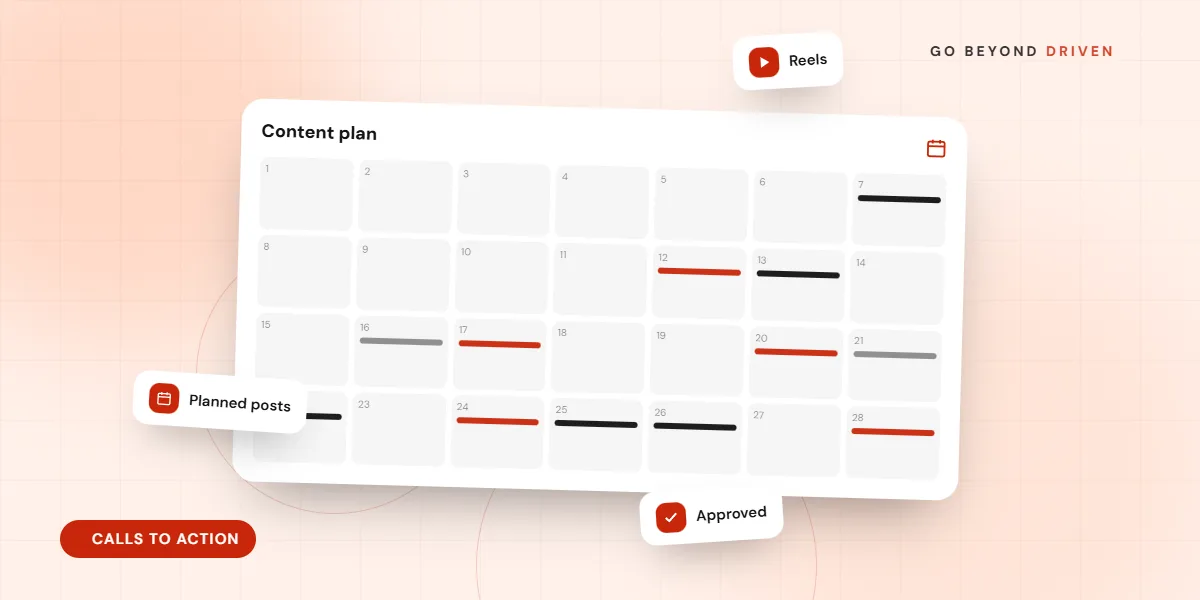
Plan ahead. Prepare festive copy weeks early, check sensitivities around dates and imagery, and be careful with discounts and claims. If an offer has conditions, state them clearly. Our festive season marketing ideas article gives a calendar approach. A calendar of dates and offers kept in one shared sheet avoids last-minute mistakes.
How do you test and improve your copy?
Change one element at a time: the hook, the length, the call to action or the tone. Compare saves, shares, replies, link clicks and enquiries, not only likes. Keep a swipe file of posts that performed well and note why: the hook, the format or the topic. Patterns appear within a month or two.
Read your captions aloud and cut anything you would not say in conversation. Ask someone outside your team what the post is asking them to do. If they cannot say it in one sentence, simplify. Review comments for the words customers use, then borrow them in future copy.
What mistakes weaken social media copy?
The usual problems are starting with the brand instead of the reader, packing in too many ideas, writing long blocks of text with no breaks, using jargon and ending without any action. Another is copying trending phrases that do not suit your business, which makes posts sound borrowed and forgettable.
Watch for claims too. Words like best, guaranteed and number one need proof, and advertising rules apply to organic posts as well as ads. In health, finance and education, avoid promises about results. State what you do and let customers judge.
Finally, do not neglect replies. Copy does not end at the post. When people comment or message, answer quickly and in the same tone. A friendly, specific reply often does more for conversions than another polished caption, and it shows future customers that someone is listening.
Final thoughts
Social media copywriting rewards clarity over cleverness. Lead with a specific hook, give one useful idea, match tone to platform and language, and end with a single action. If you want help writing and scheduling content that brings enquiries, Go Beyond Driven offers social media marketing services for Mumbai businesses. Start with a free marketing audit, call +91 91378 79539 or email gobeyonddriven@gmail.com.