Good newsletter content ideas come from three places: what your subscribers ask, what you know that they do not and what is happening in their calendar. The newsletters people read to the end usually offer one useful thing quickly, such as a tip, a story, a checklist, an answer to a common question or an early look at something new. This guide gives you practical topics and formats grouped by purpose, a simple structure that saves time, ideas for different kinds of businesses, and a monthly rhythm you can keep. You will also see which mistakes make subscribers ignore emails or unsubscribe, and how to find fresh ideas every month.
What should you write in a business newsletter?
Write what your subscribers would be glad to receive from a knowledgeable friend: advice, answers, behind-the-scenes insight, early news and occasional offers. A newsletter that only sells will be skipped. One that helps most of the time earns permission to sell some of the time.
A simple rule is to give value in around four emails out of five. Value can be a practical tip, a mistake to avoid, a customer story, a seasonal reminder or a short explanation of a confusing topic. Keep each email focused on one idea, written in plain words, with one clear action at the end. Readers should be able to finish it in two or three minutes.
Which educational newsletter ideas work well?
Educational content shows your expertise and gives people a reason to open every issue. Try a single tip of the month, a how-to in five steps, a myth versus fact piece, a glossary of one confusing term, a before and after example or a short answer to a question a customer asked this week. Link to a deeper guide for readers who want more.
A dentist might explain what to do after a filling, an accountant might cover GST due dates in plain language, and a gym might share a simple stretching routine for desk workers. Choose topics tied to the problems your product solves. Educational emails also give you natural material for blog posts, reels and WhatsApp messages.
Educational formats to rotate:
What story-based newsletter ideas build connection?
Stories make a business human. Share the origin of your product, a recent challenge and how the team solved it, a day in the life of a staff member, a customer's journey with permission, or a lesson you learned the hard way. Keep them short, specific and honest, with a clear point readers can take away.
Behind-the-scenes content works especially well for craft, food, fashion and service businesses. A baker can show how festive boxes are packed, a tailor can share how a custom order is made, and a founder can explain a decision about pricing. Our guide to brand storytelling shows how to pick stories that strengthen your brand.

Which curated and community ideas save time?
Curation lets you stay useful when you have little time. Share three articles, tools or events relevant to your subscribers with a sentence on why each matters. Spotlight a customer, a partner business or a local event. Answer a reader's question in public, or run a short poll and share results next month.
Community content also builds loyalty. Feature a reader's win, introduce a new team member, or share neighbourhood news that affects your customers, such as road closures near your shop or a new metro opening. Always credit sources and avoid copying text from other publishers. Add your own opinion so the email feels like yours.
FAQs: Which curated and community ideas save time?
Can I share other people's content in my newsletter?
Yes, by linking and summarising briefly with credit. Do not copy full articles or images without permission.
Should I include ads for partners?
Only if they are relevant and clearly labelled. Too many promotions reduce trust and open rates.
What promotional newsletter ideas feel useful, not pushy?
Promotion works when it solves a timely need. Announce a new service with a clear explanation of who it helps, offer early access to subscribers, share a limited slot for consultations, or run a seasonal reminder such as monsoon waterproofing, wedding season skincare or pre-Diwali gifting orders. Mention price or availability clearly.
Pair offers with proof. Include a short customer comment, a result you can verify or a photograph of the actual product. Keep one main call to action per email. If you send offers every week, readers will tune out, so keep promotional emails to a minority of your sends. Our guide to email marketing for small business covers pacing and list health.
Seasonal hooks help here. Pre-wedding season, school admissions, monsoon preparation, financial year-end and Diwali each create a moment when your subscribers are already thinking about a related need. Time your promotional email a few weeks ahead of the moment, give a useful checklist first and let the offer follow naturally.
Offers that feel helpful:
Which newsletter ideas suit different types of business?
Clinics and coaches can send health or learning tips, appointment reminders and patient education, while following privacy and advertising rules for their profession. Restaurants and bakeries can share seasonal menus and kitchen stories. Real estate firms can send locality updates and process explainers. B2B firms can share short industry observations, case notes and event invitations.
Ecommerce brands can send styling guides, product care advice, restock alerts and customer photos, then add retention flows like those described in our guide to email marketing for ecommerce. Whatever your business, ask what question your best customers asked before buying and what they needed to know after. Those are your most dependable topics.
What is a simple structure for each issue?
A reliable layout has five parts: a clear subject line, a short opening that gets to the point, one main piece of content, one secondary item such as a link or quick tip, and a single call to action. Add a friendly sign-off from a real person and an easy way to reply.
Keep design simple. Plain text or lightly styled emails often perform well because they look personal and load quickly on mobile. Use short paragraphs, one image at most, and large tappable buttons. Our guide to email subject lines that get opened shows how to write the line that decides whether anyone reads on.
How often should you send a newsletter?
Send at a rhythm you can sustain with quality. For many small businesses that is once or twice a month, or weekly if you have a lot of useful material. Consistency matters more than frequency: pick a day, tell subscribers what to expect and stick to it.
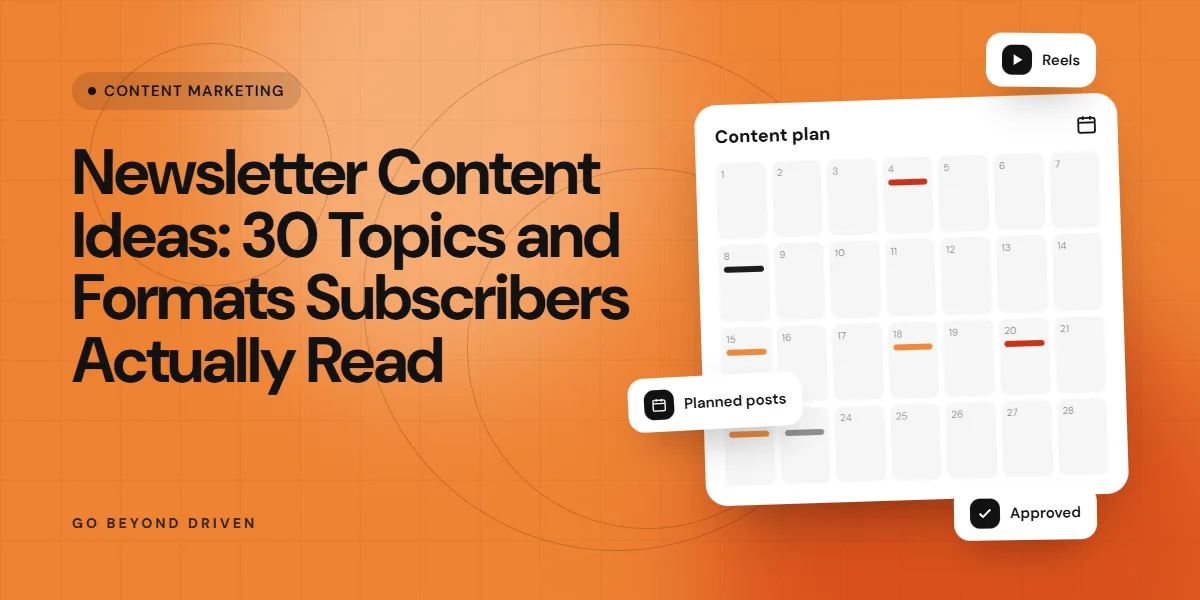
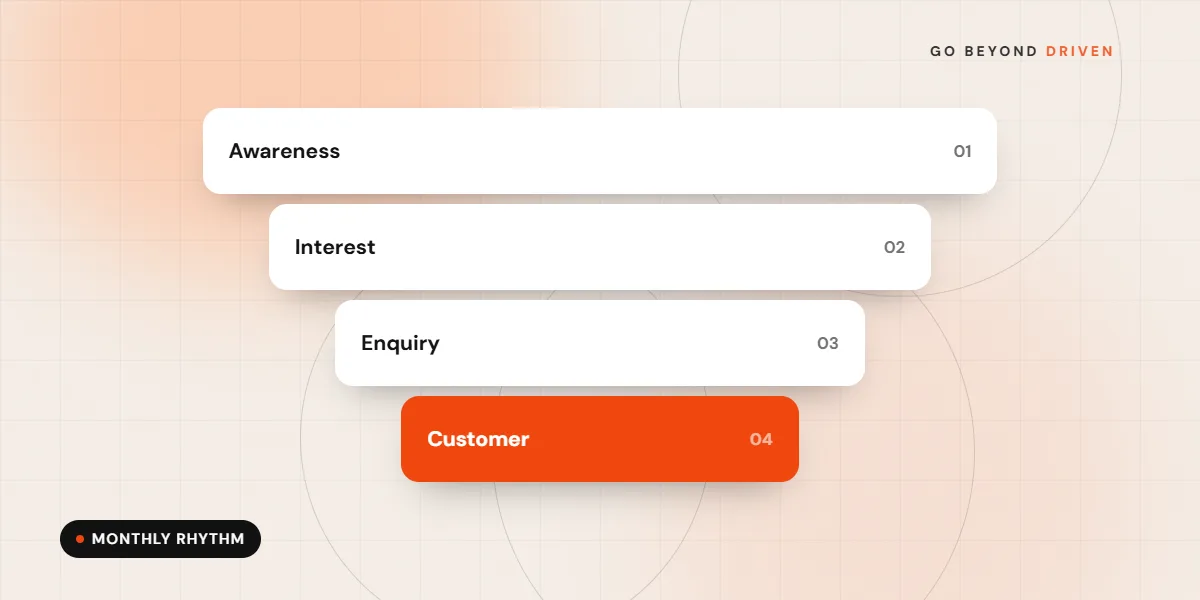
Plan a quarter of topics in advance, then adjust. A simple monthly mix could be one educational issue, one story issue, one curated issue and one offer or announcement. Check your open rates, click rates and replies, and ask subscribers what they want more of. Use a planning sheet like the one in our content calendar template guide to keep the sequence organised.
Where do you find fresh newsletter ideas every month?
Keep a running list. Add every customer question, objection, review comment, search suggestion and event on your calendar. Look at your own best-performing blog posts and social posts and expand them. Review what competitors and publications in your field discuss, then add a fresher or more local angle.
Also ask the audience directly. End emails with a question, send a short survey, or invite replies with topics they want covered. Replies tell you what matters and help your emails reach inboxes. When one idea performs well, create a series. Over time, your best ideas will come from subscribers themselves.
Final thoughts
The best newsletter content ideas are simple, specific and useful. Build a bank of topics, rotate formats, keep a clear structure and send consistently. If you would like help planning and writing a newsletter that supports sales and loyalty, explore our email marketing services or book a free marketing audit with Go Beyond Driven, call +91 91378 79539 or email gobeyonddriven@gmail.com.