
To write a case study, tell the story of one real client in order: who they are, the problem they faced, what you did, what changed and what they would say about the experience. The best case studies read like a short, honest project report with specific facts, not like an advertisement. They help prospects who are comparing providers see that you have solved a similar problem before, which lowers their fear of choosing wrong. This guide explains how to select the right project, get permission, interview the client, structure the story, present results without exaggeration and publish the finished piece so it actually reaches buyers.
What is a case study and why does it persuade?
A case study is a detailed account of how you helped a particular client reach a goal. It differs from a testimonial, which is a short statement of opinion, because it shows the situation, the steps and the outcome. Readers can judge whether their own situation resembles the one described.
That is why case studies persuade. Buyers of services cannot try before they buy, so they look for evidence. A story with concrete detail, written in plain language and supported by the client's own words, feels more believable than a list of claims. For agencies, consultants, clinics, builders and software firms alike, a few strong case studies often close more deals than a long brochure.
Which projects make the best case studies?
Choose projects that match the clients you want more of. If you want larger retail accounts, a story about a boutique shop will not help much. Look for work with a clear before and after, a measurable outcome and a client who is happy to be named or at least described accurately.
Variety helps too. A set might include one quick win, one long project, one challenging client and one result from a typical industry. Do not wait for a perfect headline number. A modest, honest improvement with a well explained approach is more credible than a spectacular figure with no context. Our case studies page shows the format we use.
Also consider the effort the story will take. A client who responds quickly, has records to hand and is proud of the outcome will give you a stronger piece in less time. If a project had a messy ending, leave it out of the public set and learn from it privately instead.
Signs a project is worth a case study:
How do you get a client to agree to a case study?
Ask early, ideally when the project is going well or has just finished. Explain what the case study is, where it will appear and what it will include. Offer options such as naming the company, using only the industry and city, or sharing results as ranges. Always get written approval of the final draft.
Make it easy. Offer to do a short call, write the draft yourself and handle all edits. Some clients cannot share sensitive numbers, and that is fine: use percentages, time frames or descriptions of outcomes. Never invent quotes, change facts or publish without approval. Trust is the entire value of a case study, and one false detail can destroy it.
What to agree with the client:
What questions should you ask in a case study interview?
Start with the situation: what was happening in the business before you started, what had they tried and what was the cost of the problem. Then ask why they chose you, what worried them about hiring someone, and what they expected. These answers reveal the emotional and practical reasons buyers will recognise.
Next cover the process and the results: what changed first, what surprised them, how the team worked with you and what the outcome has meant for revenue, time or stress. Finish with advice: what would they tell someone considering the same step? Record the call with permission, because exact phrases often make the best quotes.
FAQs: What questions should you ask in a case study interview?
How long should the interview be?
Twenty to thirty minutes is usually enough. Send the questions beforehand so the client can find numbers and examples.
What if the client gives short answers?
Ask for a specific moment or example, such as what happened in the first month. Concrete prompts usually produce better stories than general questions.
What is the best case study structure?
A dependable structure has six parts. First, a headline that includes the result or the transformation. Second, a short summary with the client, industry, goal and result. Third, the challenge in the client's world. Fourth, the solution, explaining what you did and why. Fifth, the results, with numbers or clear outcomes. Sixth, a client quote and a next step.
Keep sections short and use subheadings so readers can scan. Add photographs, screenshots or simple charts where they clarify. Write the challenge from the client's point of view rather than your own, so prospects can see themselves in it. Place a call to action at the end, such as booking a call or requesting a similar plan.
How do you present results honestly and clearly?
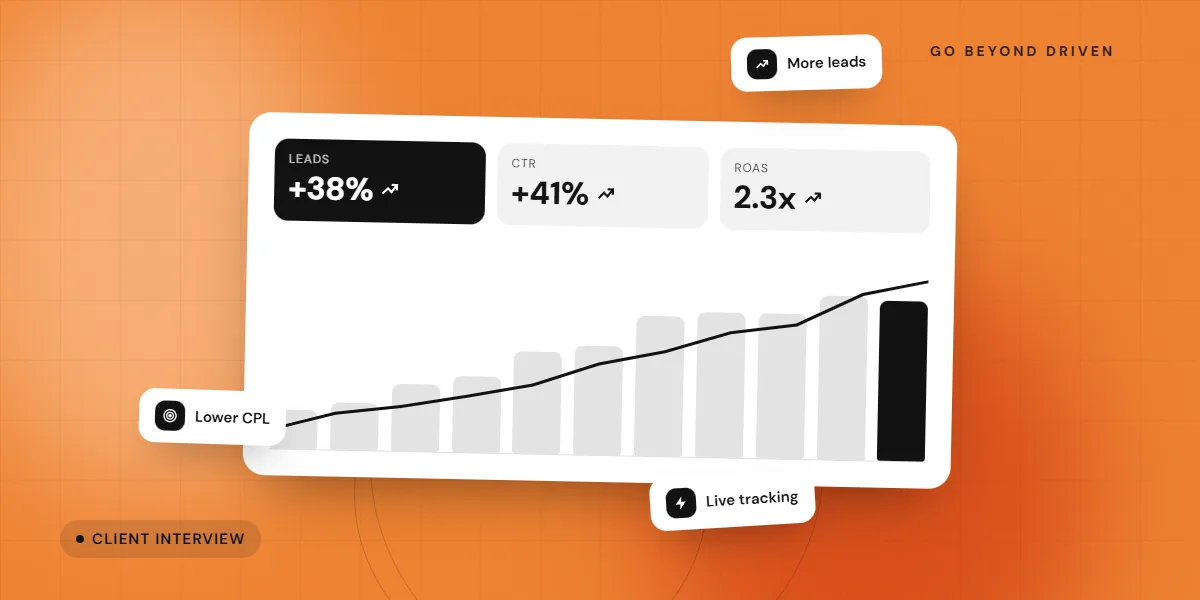
State what was measured, over what time and against what baseline. Say whether enquiries rose from twelve to thirty in four months, or whether cost per lead fell relative to the previous quarter. If other factors, such as a festival season or a price change, may have contributed, mention them. Honest context makes the result more believable.
When you cannot share numbers, use qualitative outcomes: the owner stopped depending on one referral source, the team could respond to enquiries the same day, the brand now looks consistent across print and digital. Never promise that readers will get the same results. Each business is different, and fair wording protects both you and your reader.
How do you write it in a clear, human voice?
Use plain language and short sentences. Prefer real details over adjectives: say the shop had 40 followers and no Google profile, rather than saying it had weak digital presence. Include the client's actual words where possible, lightly edited for clarity. Avoid jargon unless your audience uses it every day.
Write about the client as the hero and your work as the help. Give credit to their decisions and effort. Include a small difficulty or setback and how you handled it, because perfect stories sound untrue. Our advice on conversion copywriting and brand voice can help you keep the tone consistent.
Where should you publish and promote a case study?
Publish each case study as a page on your website with a clear title, an image and the main figures near the top. Link it from your services pages, the homepage and relevant blog posts. Add it to your proposals and sales emails, and share excerpts on LinkedIn, Instagram and in WhatsApp conversations with prospects.
Turn one case study into several assets: a one-page PDF, a short video with the client, a quote graphic, a carousel and a newsletter feature. Our guide to content repurposing shows how. Review each case study yearly and update the results or retire it if the work no longer represents what you offer.
Common case study mistakes to avoid
Typical mistakes include writing about your company instead of the client, hiding the real problem, skipping numbers, using vague praise, making the page too long and forgetting a call to action. Another is making claims that cannot be proved or that the client has not approved.
Check every fact before publishing. Match numbers to dashboards or invoices, confirm names and spellings and keep screenshots only if the client permits them. If you are unsure whether a statement is fair, soften or remove it. A shorter, accurate case study will always serve you better than a flashy one that cannot be defended.
Final thoughts
A case study works when it is specific, honest and useful to the next buyer. Choose the right project, interview carefully, follow a clear structure and publish where prospects will see it. If you would like help turning your finished projects into persuasive stories, explore our content marketing services or book a free marketing audit with Go Beyond Driven, call +91 91378 79539 or email gobeyonddriven@gmail.com.