
Travel agency website design is about making a high consideration purchase feel safe and easy to start. Travellers rarely book a trip in one visit. They browse destinations, compare itineraries and prices, check reviews and then message a few agents. A strong site gives them clear package pages, day by day itineraries, honest price guidance, visible proof and a quick way to enquire, especially by WhatsApp. This guide explains the pages, features and search basics that help Indian travel agencies, tour operators and visa or ticketing businesses turn visitors into enquiries, and the mistakes that quietly cost bookings.
What should a travel agency website include?
A travel agency website needs destination and package pages, itineraries, inclusions and exclusions, price guidance, departure dates, real traveller reviews, an About page with your credentials, and a fast enquiry route. Add FAQs on visas, payments, cancellations and travel insurance, since these questions decide whether a nervous buyer contacts you or someone else.
Organise the site around how people plan trips: by destination, by trip type such as honeymoon, family, group or pilgrimage, and by budget or duration. Make the search or filter on the homepage simple. Keep the navigation short and put the enquiry button and phone number where they are visible on every page, especially on mobile.
Core pages for a travel agency site:
How should you design a tour package page?
Answer the buyer's main questions in the order they ask them: where, how long, what is included, what does it cost and how do I book. Open with the package name, duration, route and a strong photo, followed by a starting price per person with what it depends on. Then give the day by day itinerary, inclusions, exclusions, hotel category, transfers and any visa notes.
Be specific. 'Beautiful stay in a premium resort' says nothing, while room type, meal plan and location do. Add departure dates, group size and cancellation terms in plain language. End the page with a clear enquiry form and WhatsApp button that prefills the package name, so your team knows which trip the lead wants.
How much pricing detail should a travel website show?
Show a starting price, or a realistic range, and explain what changes it: season, hotel category, number of travellers, flights and add ons. Visitors who see no price often leave to find one that does. You do not need exact quotes online, because travel pricing moves with availability, but clarity builds trust and filters out leads who are far outside budget.
State clearly what the price includes and excludes, such as flights, visas, GST, tips and entry tickets. Hidden extras are a major reason travellers distrust agents. Mention payment terms, deposit amounts and refund rules. For festive peaks such as Diwali, Christmas and summer holidays, add a note that prices and availability change fast, and invite early enquiry.
Why is WhatsApp so important for a travel agency site?
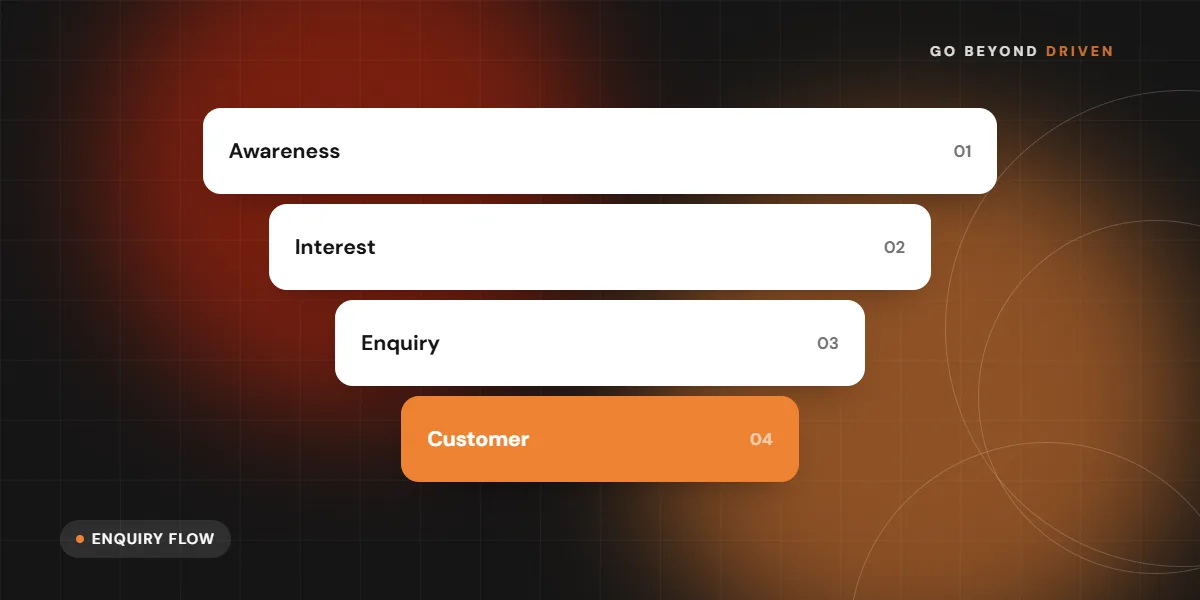
Many Indian travellers prefer to chat before they commit, and they often share trip details with family on WhatsApp. A click to chat button on every package page lets them ask a question instantly, send travel dates and attach passport or itinerary queries without filling out a long form. It lowers friction, and your team can reply with a personal quote.
Use a prefilled message with the package name, and track the clicks as conversions. This also tells you which packages generate real interest, so you know where to put your marketing effort next season. Keep a short form as a backup, asking only for name, phone, destination, dates and number of travellers. Reply quickly, because a traveller often enquires with several agents at once. Our guide to WhatsApp business marketing explains how to run these chats well.
How do you build trust on a travel agency website?
Travel is expensive and the stakes are high, so buyers look for reassurance. Show your registration and affiliations where they apply, years in business, office address, team photos and real contact numbers. Add genuine traveller reviews with names and trip details where permitted, and show your Google rating. Use your own trip photos instead of stock images wherever possible.
Explain your process: how a booking works, what happens after payment, who they call during the trip and what happens if plans change. Publish clear terms, refund and cancellation policies. Do not claim awards, partnerships or ratings you cannot prove. Honest detail beats big claims, and one bad experience reported online can outweigh a dozen vague boasts.
Trust signals travellers look for:
What makes a travel website fast and easy on mobile?
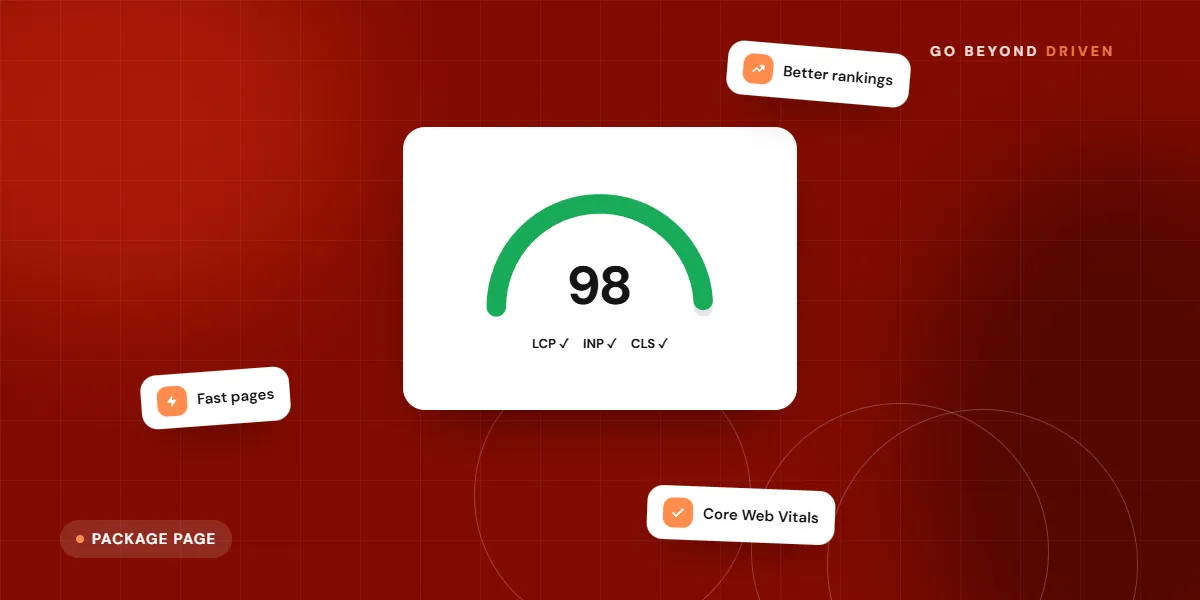
Travel sites are image heavy, which makes speed a real risk. Compress and resize photos, lazy load galleries and avoid autoplay hero videos that slow the first screen. A traveller on mobile data in a train should see the package name, price and enquiry button within seconds, not wait for a slider to finish loading.
Design for thumbs: large buttons, sticky call and WhatsApp bar, collapsible itinerary days and simple filters. Make forms short with the right input types for phone and date. Check the site on an average Android phone. Our guides on website speed and Core Web Vitals and mobile first web design list the technical checks.
How can a travel agency get found on Google?
Create a page for each destination and package, with a unique title, meta description, itinerary and photos, so each can rank for its own search, such as 'Kerala honeymoon package from Mumbai' or 'Dubai tour package for family'. Include departure city phrases, since many buyers search 'from Mumbai'. Add structured data where suitable and internal links between related destinations.
Also set up your Google Business Profile with correct category, address, hours, photos and reviews, which helps for 'travel agent near me' searches. Write helpful guides such as best time to visit, visa checklists and sample budgets, because they attract people early in planning. Read our digital marketing for travel agencies guide for the wider plan.
FAQs: How can a travel agency get found on Google?
Should a travel agency have a blog?
Yes, if it answers real planning questions such as best time to visit, visa steps or sample budgets. These guides can bring early stage travellers who later enquire, and they support package pages with internal links.
Do travel agents need a Google Business Profile?
Yes. It helps with local searches such as travel agent near me, shows reviews and contact details, and supports trust. Keep it consistent with your website and respond to reviews.
Should a travel agency website have online booking and payments?
It depends on what you sell. For simple products such as fixed departure tours, visa assistance or activity tickets, online booking with a deposit through UPI or cards can help. For customised holidays, an enquiry first approach is usually better, because the itinerary and price need discussion. Many agencies use a hybrid: enquire first, then pay securely through a payment link.
If you take payments, make the terms clear and use a reputable gateway. Show a receipt and confirmation message, and handle GST correctly with your accountant. Do not ask for sensitive documents such as passport scans through an insecure form. Use a safe, private upload method, and collect them only after a booking is confirmed, since travellers are right to be careful about where their identity documents go.
When should a travel agency hire a website designer?
Hire a designer when your current site looks dated, loads slowly, has no package structure, or you are spending on ads and not tracking enquiries. Professional help also makes sense when you want multi destination SEO, an itinerary builder, a booking flow or integration with a CRM. A site built around how travellers decide will usually outperform a template filled with stock photos.
Go Beyond Driven designs and builds travel websites with mobile first layouts, package templates, WhatsApp enquiry flows, tracking and SEO. See our website design and development service to understand scope and process, and we will explain which features suit your size of agency and your budget before any work begins.
Final thoughts
A travel agency website should help a cautious buyer move from a dream to a message to you. Give them clear package pages, honest pricing guidance, real proof, a fast mobile experience and an easy WhatsApp route, then follow up quickly and track what converts. If you want expert eyes on your current site, book a free marketing audit with Go Beyond Driven, call +91 91378 79539 or email gobeyonddriven@gmail.com.