


A social media style guide is a short working document that tells anyone posting for your brand exactly how posts should look, sound and behave on each platform: which photos and templates to use, how captions are written, how to reply to comments and what must be checked before anything goes live. It sits between your brand guidelines, which define the logo, colours and voice, and the daily work of posting. Without one, every new freelancer, intern or agency reinvents your brand, and the feed slowly drifts. This guide covers what to include, how to write each block so people actually follow it, platform notes for India, and a worked example for a small clinic chain in Mumbai.
What is a social media style guide, and how is it different from brand guidelines?
A social media style guide is the practical rulebook for posting, while brand guidelines are the foundation it is built on. Brand guidelines describe your logo, colours, typography and voice in general. The social media style guide turns those into specific decisions: the photo style for reels, the maximum words on an image, whether you use emojis, how you write prices, how quickly you reply to a DM.
If you do not have brand guidelines yet, start with our guide to creating brand guidelines and our brand voice guide. The style guide can then be short, often five to ten pages, because it borrows those foundations and focuses on what changes from post to post.
What should a social media style guide include?
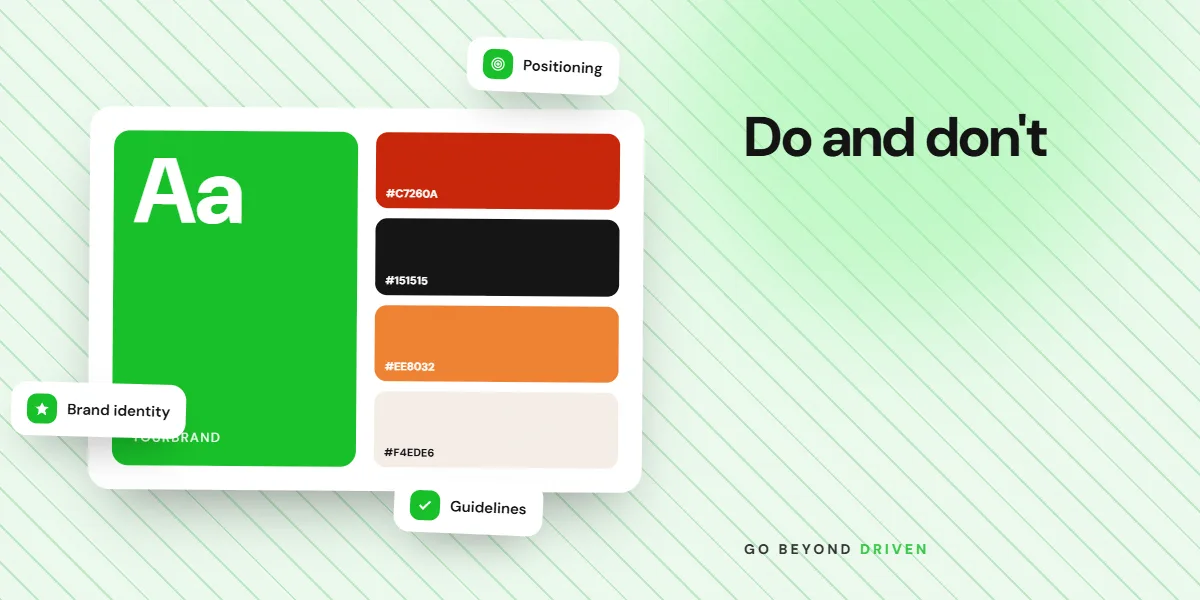
Most useful guides have six blocks: visual rules, caption and copy rules, reply and community rules, legal and safety checks, platform-specific notes and a list of examples. Each block should be written as instructions with examples, not as adjectives. Fresh and modern means nothing to a new designer. Use natural daylight, show hands and products in use, and never use stock photos of people is something they can follow.
Add a cover page with the owner of the guide, the date of the last update and where to find templates and approved photos. If more than one person signs off content, link the guide to your social media approval process so reviewers check against the same rules.
The six blocks of a working guide:
How do you write the visual rules?
Define the photo style first, because photos shape the feed more than templates. Say what good looks like: lighting, backgrounds, how products are shot, whether people appear, and what to avoid, such as cluttered counters, heavy filters or blurry screenshots. Then list the approved templates for each post type, the fonts and colours, logo placement and the safe margins for text on stories and reels.
Add rules for text on images, for example no more than about 12 words on a single feed image, and always burned-in captions on talking videos because many people watch with sound off. If your team designs in Canva, link the master templates directly; our guide to Canva for social media explains how to set them up.
What caption and copy rules belong in the guide?
Write down a caption structure, such as a first line that states the point or the offer, two to four short lines of detail and one clear next step. Decide your house rules on emojis, hashtags, capital letters and exclamation marks. Fix the spelling of your brand, product and branch names, and the format for prices, for example Rs 1,499 including GST, so posts never contradict your bill.
Indian brands also need language rules. State when you use English, when Hinglish is fine, and when you post in Marathi, Hindi or Gujarati, and who checks those posts. Give a standard call to action, such as WhatsApp us on the number in our bio, and a short list of words you never use, including claims like best or guaranteed that you cannot prove.
FAQs: What caption and copy rules belong in the guide?
Should we say DM for price?
Decide it in the guide. Many buyers find DM for price frustrating, so if prices are fixed, consider showing them or a starting price, and keep DMs for custom quotes.
How long should captions be?
Set a range by post type rather than one rule. Offers and updates can be a few lines, while educational carousels may carry longer captions. Clarity in the first line matters most.
What should the guide say about replies and community management?
Set expected response times, who replies on which platform, and the tone for different situations: praise, questions, complaints and trolling. Give sample replies for the ten most common questions, such as price, timings, location, delivery areas and booking, so answers stay consistent across people and shifts.
Then set boundaries. Never argue in public, never share a customer's order details, phone number or health information in comments, and move complaints to DMs or a phone call after one polite public reply. List topics the brand stays out of, usually politics, religion and tragedies, and name who decides if a reply needs the owner. When something goes badly wrong, the guide should point to a separate crisis plan.
Reply rules worth writing down:
Which legal and safety checks should the guide list?
List the checks every post must pass. Paid, gifted or partnership content needs a clear disclosure label in line with the ASCI influencer guidelines. Customer photos, reviews and videos need permission before reposting. Music should come from the platform's licensed library or a source you have rights to. Health, finance, education and property claims need extra care, and offers must show key conditions.
Also cover national symbols and sensitive days. Rules in India restrict how the national flag and emblem may be used in commercial material, so the guide should tell designers to avoid using them as decorative elements and to check before any Republic Day or Independence Day post. This section is a checklist, not legal advice, so ask your lawyer about anything specific to your industry.
What platform notes should the guide include?
Give each platform you use a short note on what changes there. Instagram might use reels and carousels with a casual tone and a WhatsApp call to action. LinkedIn might use a more professional voice, founder or team posts, and fewer emojis. Facebook might focus on events, community groups and older customers, while WhatsApp status carries quick offers and stock updates. YouTube might hold longer explainers with clear titles and chapters.
For each one, list the working sizes, how often you post, the formats you use and who replies. Mark size and format notes with the date you checked them, because platforms change crops, lengths and features often, and an outdated rule causes cut-off text and blurry posts.
Worked example: a style guide for three physiotherapy clinics
Take a hypothetical physiotherapy practice with clinics in Andheri, Borivali and Thane, where each branch manager posts on its own Instagram account. Before a guide, one branch uses cartoons, another posts stock photos, and replies range from formal to casual. The practice writes a seven-page style guide in two sessions.
Visual rules: real photos of therapists and equipment only, patients shown only with written consent, three Canva masters per branch. Caption rules: plain English with simple Hindi where helpful, no promises of cures, every post ends with the branch's WhatsApp number. Reply rules: answer within four working hours, never discuss a patient's condition in comments, send pricing by DM using a fixed message. Legal checks: no before and after claims without review by the lead physiotherapist. Each branch manager signs that they have read it.
How do you get people to actually follow the style guide?
Keep it short, visual and easy to find. A seven-page PDF with screenshots of good and bad posts gets used, while a fifty-page brand book sits in a folder. Put the link in the description of the shared drive, the scheduling tool and the team's WhatsApp group, and walk every new person through it in their first week.
Review the guide every quarter. Add new examples from real posts, remove rules that nobody follows for a good reason, and note platform changes. When someone breaks a rule, update the guide if the rule was unclear, rather than only correcting the post. A guide that keeps up with how you actually work stays useful.
When does it make sense to get help writing one?
Get help when several people or branches post for you, when you are about to hand social media to a new agency or freelancer, or when the feed already looks inconsistent and nobody agrees why. An outside team can audit your recent posts, interview the people who post and reply, and turn what works into rules.
Go Beyond Driven writes social media style guides as part of onboarding for our social media marketing clients, with visual masters, caption rules, sample replies and a pre-post checklist your team can use even on days we are not posting.
Final thoughts
A social media style guide replaces taste arguments with clear rules: how posts look, how captions read, how replies sound and what must be checked first. Keep it short, full of real examples and updated every quarter. If you want an outside view of how consistent your social presence is today, Go Beyond Driven offers a free marketing audit, or call or WhatsApp +91 91378 79539.


