

Brand guidelines are a document that explains how your brand should look, sound and behave, so anyone who creates something on your behalf gets it right. They typically cover your purpose and positioning, logo rules, colour palette, typography, imagery style, tone of voice and examples of correct use. Without them, every designer, printer, employee and freelancer makes a slightly different decision, and your brand slowly becomes inconsistent. Good guidelines are short enough to be read, specific enough to settle arguments and flexible enough to survive new formats. This guide explains what to include, how to build the document, and how to make sure people really use it.
What are brand guidelines and why do they matter?
Brand guidelines, sometimes called a brand book or style guide, are the written and visual rules for presenting your brand. They answer practical questions such as which logo version goes on a dark background, which blue is the official one, what font to use in a presentation and how formal the tone of a WhatsApp message should be.
They matter because consistency builds recognition and trust. Customers meet your brand in many places: a signboard, an invoice, an Instagram post, a brochure, a delivery box. When these look and sound related, the business appears organised and reliable. Guidelines also save time, since designers and vendors need fewer rounds of correction when the rules are written down.
What should brand guidelines include?
A useful set covers the brand foundation, the visual identity and the verbal identity. The foundation includes mission, values, audience and positioning. The visual section covers logo versions, clear space, minimum sizes, colours, typography, iconography, photography and graphic elements. The verbal section covers brand voice, naming rules, vocabulary and sample messages.
Add application examples: business card, letterhead, social media templates, packaging, website buttons and signage. Include dos and don'ts with pictures, because visual examples are understood faster than explanations. For small businesses, ten to twenty well-organised pages are usually plenty. Larger companies may need more detailed chapters for different departments and markets.
Do not try to document everything on day one. Begin with the rules that cause the most inconsistency today, usually logo use, colours and fonts, and expand once those are respected. A smaller guide that people follow beats a thick book that nobody opens.
Core sections of a brand book:
How do you define logo usage rules?
Start by showing the primary logo and its approved variations: horizontal, stacked, icon-only, single colour, white and black. Then define clear space around the logo, usually based on a unit taken from the mark itself, so other elements do not crowd it. State minimum sizes for print and digital use, so the logo stays legible on a pen or a favicon.
Show incorrect uses too: stretching, rotating, adding shadows, changing colours or placing the logo on busy photographs. These examples prevent the most common mistakes. If you are still creating your mark, our overview of the logo design process explains what files and variations to request from the designer.
Include the file names and formats for each logo version, so a printer or a social media freelancer knows exactly which file to pick. A simple table listing version, use case and file type removes guesswork and reduces emails asking where the right logo is.

How should you document colours and typography?
List each brand colour with its name and values for every medium: HEX and RGB for screens, CMYK for print and Pantone if you use spot colours. Explain the role of each, such as primary, secondary, accent and neutral, and give proportions or examples showing how they work together. Include accessible text and background combinations so legibility is not left to chance.
For typography, name the typefaces, weights and sizes for headings, body text and captions, and specify fallback fonts for situations where the main fonts are unavailable, such as email or shared documents. Check licences for commercial and web use. Our guide to colour psychology in branding can help you choose and justify a palette.
FAQs: How should you document colours and typography?
Why include both RGB and CMYK values?
Screens and printers mix colour differently. Giving both prevents colours from looking different on a website and on a printed brochure, and helps vendors match your brand accurately.
How many fonts should a brand use?
Usually two or three: one for headings, one for body text and possibly an accent. Fewer fonts make the brand look cleaner and easier to manage.
How do you capture tone of voice in a guide?
Describe your voice through a few clear traits and show how each plays out. For example, friendly but precise means short sentences, plain words and no slang in contracts, but warmth in replies to customers. Add words and phrases you prefer and those you avoid, and examples of the same message written for Instagram, an email and a formal letter.
Voice matters especially for businesses that communicate in more than one language. Decide how English, Hindi, Marathi or Hinglish should be used on different channels, and who approves regional content. Our brand voice guide walks through building a voice that your whole team can follow.
Test the voice by rewriting an existing customer message in the new style and asking a colleague whether it sounds like your business. If it does not, adjust the traits until the examples feel natural to write, and repeat the test with a different channel.
How do you create brand guidelines step by step?
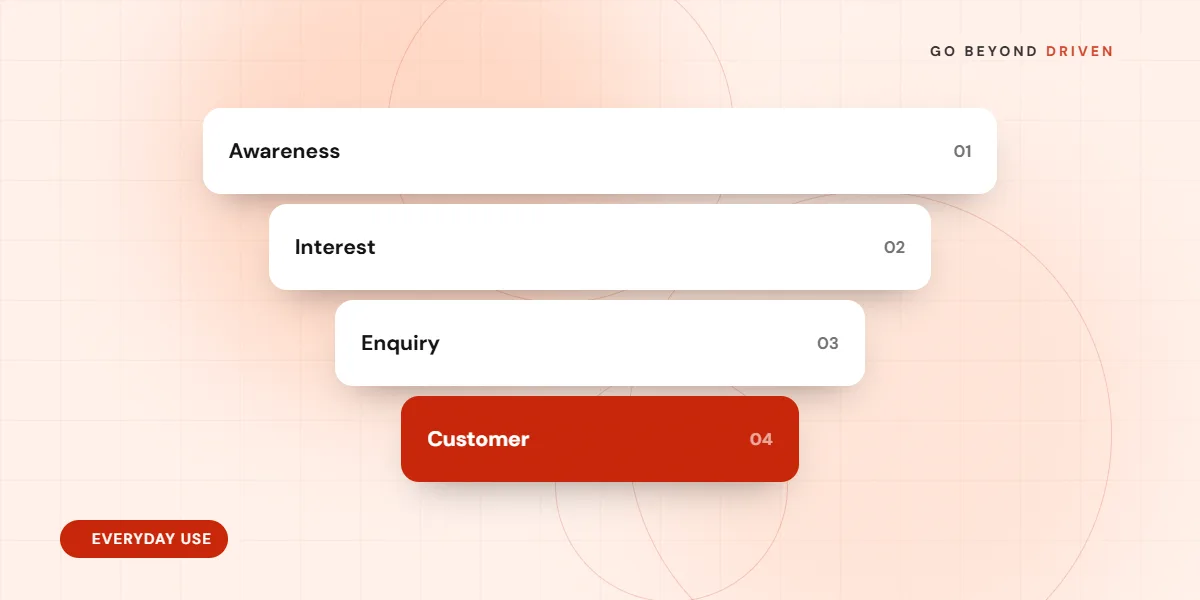
First audit what you have: collect every logo, template, brochure, social post and website page and look at how consistent they are. Second, define or confirm your positioning and personality. Third, decide the rules for visuals and voice, test them on real materials, and document them with examples. Fourth, package everything in an easy format and share it with the people who need it.
Involve the people who will use the guidelines, such as designers, sales staff and customer support, during testing. If a rule is impractical, they will tell you quickly. Our brand audit checklist is a helpful starting point for the first step, and a professional branding agency in Mumbai can build the full book if you prefer.
Steps to a usable brand book:
What format works best for brand guidelines?
A PDF is the simplest and works for most small businesses, as it is easy to share with printers and freelancers. Larger organisations often use an online brand portal where assets can be downloaded and the content updated centrally. Pair the guide with an asset folder containing logos, templates, fonts and icons so people do not have to hunt for files.
Whatever format you choose, keep it short and scannable. Use headings, visuals and checklists instead of long paragraphs. Include a contact name for questions and approvals. A guideline that sits unread in an email attachment does nothing, so make it part of onboarding for staff, agencies and vendors.
Remember that staff and vendors often open guidelines on a phone, so test readability on a small screen. Keep file sizes light enough to share on WhatsApp or email, and link to heavier asset folders instead of attaching everything in one document.
How do you keep people following the guidelines?
Make the right way the easy way. Provide ready-made templates for presentations, social posts, proposals, email signatures and invoices, so no one has to start from nothing. Appoint a brand owner who reviews important materials and answers questions. Hold a short briefing when new team members or agencies join.
Review the guidelines once a year. New channels, products or markets may need new rules, and some old rules may no longer work. Update the document, share a summary of changes and retire outdated assets. For deeper advice on maintaining coherence, read our brand consistency guide.
Final thoughts
Brand guidelines are an investment in clarity: fewer corrections, faster production and a business that looks the same wherever customers meet it. Start with the essentials, make them easy to use and keep them alive through templates and regular review. If you would like help assessing your current brand or building a guide, book a free marketing audit with Go Beyond Driven.