Social media marketing for startups is the use of one or two social platforms to find early users, test which messages make people care, and build enough credibility that customers, investors and future hires take you seriously. It is different from social media for an established business. A startup is usually selling something people do not yet know they need, from a team that nobody has heard of, with very little budget. That makes the founder's voice, sharp problem-first content and fast learning far more valuable than a polished brand calendar. This guide covers which platform to focus on by startup type, what founder-led content looks like, how to use social media as a messaging lab, a worked example for a bootstrapped B2B product, and when paid social starts to make sense.
How is social media for startups different from small business social media?
Social media for startups differs because the main goal is learning and distribution, not just visibility. A local shop sells a product people already understand, so its job is to be seen nearby. A startup often has to explain a new category, prove that a small unknown team can be trusted, and work out which customer segment and message actually convert. Every post is partly a test of positioning.
This changes what you measure and what you post. A startup should care about which posts bring signups, demo requests, waitlist joins or useful conversations with target customers, and should treat comments and DMs as research. It also means the founders, not a faceless brand account, are usually the best channel in the first year, because people trust people before they trust a logo they saw last week.
Which social media platform should a startup focus on first?
A startup should focus on the one platform where its first buyers already spend attention, and do it properly before adding a second. For B2B software and services sold to Indian SMEs or enterprises, that is usually LinkedIn, led by the founder's personal profile. For D2C brands in food, beauty, fashion or home, it is usually Instagram, supported by creators. For consumer apps, Instagram and YouTube Shorts often matter most.
Marketplaces and two-sided platforms are trickier, because the supply side and the demand side may live on different platforms. A home-services app might recruit professionals through Facebook groups and WhatsApp while finding customers on Instagram. Map each side separately. Claim your handle everywhere, but resist running five half-active accounts, since an early team rarely has the time to do more than one or two well.
Usual first platform by startup type:
Why should startup founders post from their own accounts?
Founders should post from their own accounts because personal profiles often reach and convert better than new company pages, especially on LinkedIn, and because early customers are really buying into the people behind the product. A founder explaining why they started, what they learned from fifty customer calls or what went wrong in a pilot is more believable than any brand post.
Founder-led content does not have to be a personal diary. It can be practical: a breakdown of a problem in your market, a teardown of how customers currently solve it, a product demo, a lesson from a failed experiment. Aim for two or three posts a week and reply to every thoughtful comment. Our guide to founder personal branding on LinkedIn covers profile setup, post formats and a weekly routine.
What content works when nobody knows your startup yet?
Problem-first content works best when nobody knows your startup, because people engage with their own pain before they care about your solution. Write and film about the problem your customers face, in their words: the clinic owner losing patients to missed calls, the exporter chasing payments, the parent unsure which coding course is real. Then show how you approach it, with real screens, real products and honest numbers where you have them.
Building in public also works well for Indian startups: sharing milestones, hiring, product updates and lessons openly. It attracts early adopters, candidates and sometimes investors. Keep claims honest, avoid inflating traction, and never post customer data or screenshots without permission. Before scaling content, make sure your positioning is clear, which our guide to brand positioning for startups walks through step by step.
Content formats that suit early-stage startups:
How can social media help a startup test its messaging?
Social media is one of the cheapest ways for a startup to test messaging, because you can put several angles in front of real buyers in a week and watch what they respond to. Post the same idea framed three ways, for example saving time, saving money and avoiding a specific risk, and see which brings comments, saves, profile visits and inbound messages from the right kind of people.
Once a few angles look promising organically, a small paid test sharpens the signal. Run two or three ads with identical audiences and budgets but different hooks, and compare cost per landing page visit and cost per signup. Feed the winning words back into your website headline, sales deck and onboarding emails. This loop often teaches founders more about their market in a month than months of internal debate.
Worked example: a bootstrapped B2B startup with Rs 40,000 a month
Say a bootstrapped Mumbai startup sells appointment software to small clinics and has Rs 40,000 a month for marketing plus about five founder hours a week. This is a hypothetical example to show the method, not a real client. The founder posts three times a week on LinkedIn: one problem post about missed appointments, one short screen-recorded demo, one lesson from conversations with clinic owners. The company page reshares and holds case notes and product updates.
On the paid side, roughly Rs 25,000 goes to Meta ads aimed at clinic owners and doctors in Mumbai and Pune, testing three hooks that lead to a free trial page, and Rs 15,000 goes to LinkedIn ads promoting the best founder post to clinic administrators. If a trial signup costs somewhere between Rs 600 and Rs 2,000, which varies a lot by audience and offer, that is roughly 20 to 65 trials. The founder then judges the channel by how many trials become paying clinics, not by impressions.
When should a startup start paid social, and what should it measure?
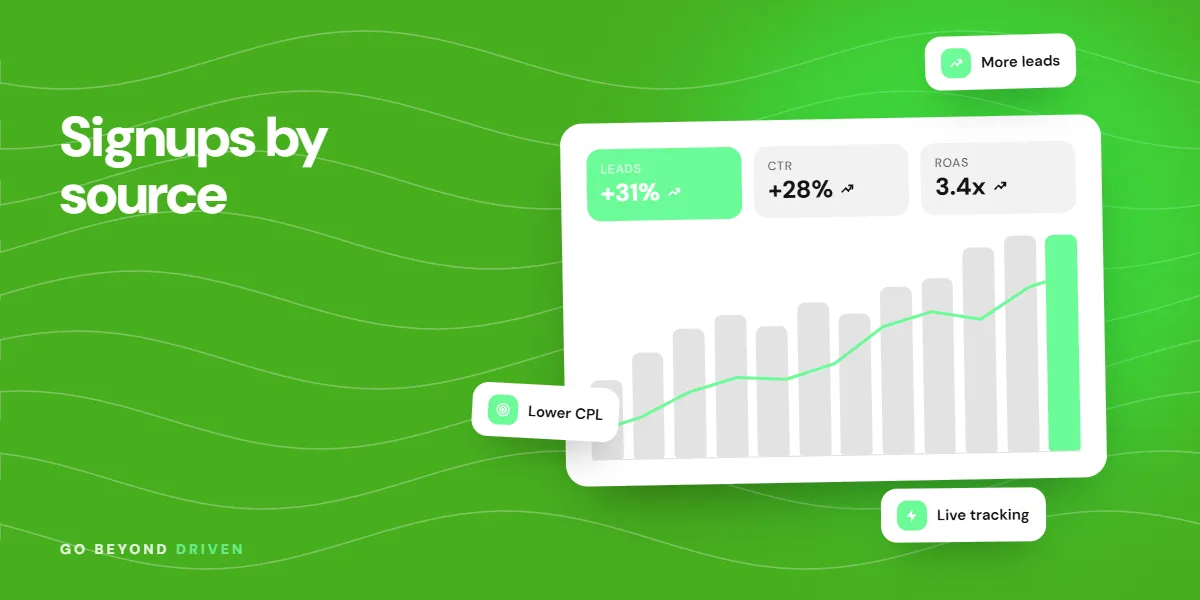
A startup should start paid social once it has a clear offer, a landing page that converts organic visitors reasonably well and tracking for signups or purchases. Before that, ads mostly buy expensive lessons. Set up the Meta Pixel and Conversions API, LinkedIn Insight Tag if relevant, GA4 and UTM tags on every link, so you can see cost per signup and, later, cost per activated or paying customer.
Measure what predicts revenue: signups, demo calls, activation such as a first booking created, and paying customers by source. Followers and impressions are early signals at best. Compare customer acquisition cost against what a customer is worth over time before scaling. For the paid side in detail, read our guide to performance marketing for startups.
FAQs: When should a startup start paid social, and what should it measure?
Should a pre-launch startup run ads?
Only small tests, such as a waitlist ad to check which message gets signups. Large budgets before the product and landing page are ready usually waste money.
Is LinkedIn too expensive for a startup?
LinkedIn ads often cost more per click than Meta, but the targeting by job role can justify it for B2B. Many startups lean on founder organic posts first and use LinkedIn ads sparingly.
What social media mistakes do startups make?
The most common mistake is behaving like a big brand too early: designed quote cards, generic festival greetings and a content calendar that says nothing about the problem you solve. Others include hiring an intern to post on a company page while the founders stay silent, spreading across five platforms, and celebrating follower counts while signups stay flat.
Startups also tend to copy Western playbooks without adjusting for Indian buyers. Many Indian SMB customers expect to talk to a human on WhatsApp or a call before they pay, so a social strategy that pushes only self-serve signups may underperform. Add a WhatsApp option, show real Indian customers where you have permission, use rupee pricing and speak in the language your buyers actually use, including Hinglish where it fits.
When should a startup hire a social media agency?
A startup should hire help when founders have proved a message and channel but no longer have the hours to produce content and run ads consistently, or when paid spend is growing and needs proper testing and tracking. An agency should not replace the founder's voice. It should help you capture it, turn one founder conversation into several posts, run structured ad tests and report on signups and customers, not vanity metrics.
Go Beyond Driven works with early-stage and growing startups in Mumbai and across India on founder-led content, messaging tests, Meta and LinkedIn ads, landing pages and tracking. We start from your positioning and your numbers rather than a fixed posting package. Our startup marketing agency page explains how we structure early engagements and what a first 90 days looks like.
Final thoughts
Social media marketing for startups works when it is founder-led, problem-first and measured by signups and customers. Pick one platform, test messages quickly, add paid social once tracking is ready, and write down what you learn. For a structured plan to fill in, see our social media strategy template. If you want an outside view of your current social media and ads, Go Beyond Driven offers a free marketing audit, or call or WhatsApp +91 91378 79539.