
Most Mumbai businesses typically spend somewhere between ₹15,000 and ₹2,00,000 or more a month on social media marketing, depending on who does the work and how much is included. Freelancers usually sit at the lower end, small agencies in the middle and full-service agencies with video production and paid ads management at the top. Ad spend is almost always billed separately, and GST is usually added on agency fees. These are broad, typical ranges rather than quotes, because the real number depends on your goals, platforms, content volume and industry. This guide breaks down what each package type includes, what drives the price and how to budget sensibly.
How Much Does Social Media Marketing Cost in Mumbai?
The honest answer is that it depends on scope, but the market does follow a pattern. Independent freelancers who handle posting and basic design for one or two platforms typically charge from around ₹10,000 to ₹35,000 a month. Small agencies offering strategy, a content calendar, design, a few Reels and monthly reporting usually charge somewhere around ₹25,000 to ₹75,000. Full-service agencies that add regular video shoots, community management, influencer coordination and paid campaign management often start around ₹75,000 and can go well beyond ₹2,00,000 a month for larger brands.
Within each band, prices vary with experience, team size and the kind of clients an agency usually serves. An agency that mostly works with luxury real estate or national D2C brands will price differently from one that serves neighbourhood cafes. Neither is wrong. What matters is whether the scope, quality and reporting match your business stage and what you need social media to deliver over the next six to twelve months.
Typical monthly bands (fees only):
What Is Included in a Typical Monthly Package?
Most packages are built around a fixed number of deliverables each month. A basic package might include 12 to 15 posts across Instagram and Facebook, a mix of static designs and carousels, simple captions and hashtags, and a short monthly report. A mid-level package usually adds strategy, a content calendar shared in advance, four to eight Reels, story designs, comment and DM moderation during working hours and a review call. Higher packages often include shoot days, motion graphics, LinkedIn or YouTube management, influencer outreach and paid ads.
Always ask what counts as one deliverable. Some agencies count a carousel of ten slides as one post, others count each slide. Some include scripting and editing in a Reel, others charge for shooting separately. Clarify the number of revisions, approval timelines and who writes the captions. Two quotes that look similar on paper can deliver very different amounts of work, so compare scope line by line, not just the final figure.
Starter, Growth and Full-Service: Which Package Type Fits?
A starter package suits a new or small local business that needs a consistent, professional presence. Think of a salon in Malad, a boutique in Khar or a clinic in Mulund. The aim is to look active and trustworthy when people check you out. It usually covers one or two platforms, a modest volume of posts and simple reporting. It will not build a big audience on its own, but it stops your profile from looking abandoned when a potential customer visits.
A growth package suits brands that want social media to bring enquiries or sales. It adds a real strategy, more video, community management and usually some paid promotion. A full-service package suits established brands, multi-location businesses and D2C companies that treat social as a core revenue channel. It covers regular production, multiple platforms, creators and full-funnel ad campaigns with proper tracking. Choose based on the outcome you need, not on the package with the most deliverables.
What Drives the Price Up or Down?
Video is the biggest single cost driver. Designing a static post takes far less time than scripting, shooting and editing a Reel, so a package heavy on video will cost more. The number of platforms matters too, because LinkedIn, Instagram and YouTube each need their own formats and writing style. Language adds work: running content in English, Hindi and Marathi is effectively three sets of copy. Industries with regulations, such as healthcare, finance and real estate, need extra care with claims and approvals, which adds time.
Other factors include how many approval rounds you need, how fast you expect turnaround, whether the agency handles replies on weekends, and how detailed the reporting must be. On-location shoots in Mumbai add travel time, permissions and sometimes models or props. A brand that gives clear feedback, shares product details on time and approves the calendar quickly often gets more value from the same fee than one that needs constant rework.
Main cost drivers:
Ad Spend vs Management Fee: What Is the Difference?
This is where many business owners get confused. The management fee is what you pay the agency for planning, creating and running campaigns. Ad spend is the money that goes directly to Meta, LinkedIn or YouTube to show your ads. Ad spend should ideally be paid from your own card or business account inside your own ad account, so that you can see exactly how much was spent. Agencies charge for ad management as a flat monthly fee, a percentage of spend, often somewhere around 10 to 20 percent, or a hybrid with a minimum fee.
For local businesses testing paid social for the first time, a starting ad budget of roughly ₹15,000 to ₹50,000 a month is common, but the right figure depends on your area, category and how many leads you need. Our performance marketing team usually starts with a small test, measures cost per lead and then scales only the campaigns that are working. That way your budget follows proof rather than hope, and you can see in plain numbers what every rupee of spend is bringing back.
FAQs: Ad Spend vs Management Fee: What Is the Difference?
Is ad spend included in social media packages?
Usually not. Most agencies quote a management fee and keep ad spend separate. Ask for ad spend to be billed to your own ad account so you keep full control and visibility.
Is percentage-based ad management fair?
It can be, especially at higher budgets. At low budgets, a flat minimum fee is more common because campaign setup and optimisation take similar effort regardless of spend.
Who should own the ad account?
You should. The agency should be added as a partner with access. That way your data, audiences and history stay with your business if you ever change agencies.
Freelancer, Small Agency or Full-Service Agency?
Freelancers are cost-effective and often very talented, especially for design or video editing. The risks are limited capacity, a single point of failure if they fall sick or take on too many clients, and gaps in skills such as ads or analytics. Small agencies give you a team, a process and backup, usually at a moderate price, but you may share senior attention with many clients. Full-service agencies bring strategy, production, paid media and reporting under one roof, which suits brands that need everything connected.
A practical approach for many Mumbai businesses is to start with a scope that matches today's goals and grow it as results come in. If you already have an in-house designer, you might only need strategy and ads. If you have strong product photos but no video, you might only need Reels production. Our social media marketing services are built in modules for exactly this reason, so you pay for what you actually need.
Hidden Costs Business Owners Often Miss
The monthly fee is rarely the whole picture. Professional shoots with a photographer, videographer, lights and a location can cost anywhere from a modest amount for a half-day product shoot to over ₹1,00,000 for a full-day production with models. Influencer and creator fees are almost always separate. Paid tools for scheduling, design, stock images or licensed music may be passed on. Festive campaigns for Diwali, Ganeshotsav or year-end sales often need extra content beyond the normal calendar, which may be billed as an add-on.
Also check whether GST is included, what happens if you need urgent content outside the plan, and whether there is a setup fee in the first month for audits, brand guidelines or account cleanup. None of these are unfair on their own, but they should be written down. A clear scope document protects both you and the agency from awkward conversations later about what was and was not included, and it makes renewals far simpler.
Ask about these extras:
How Much Should You Budget for Your Business?
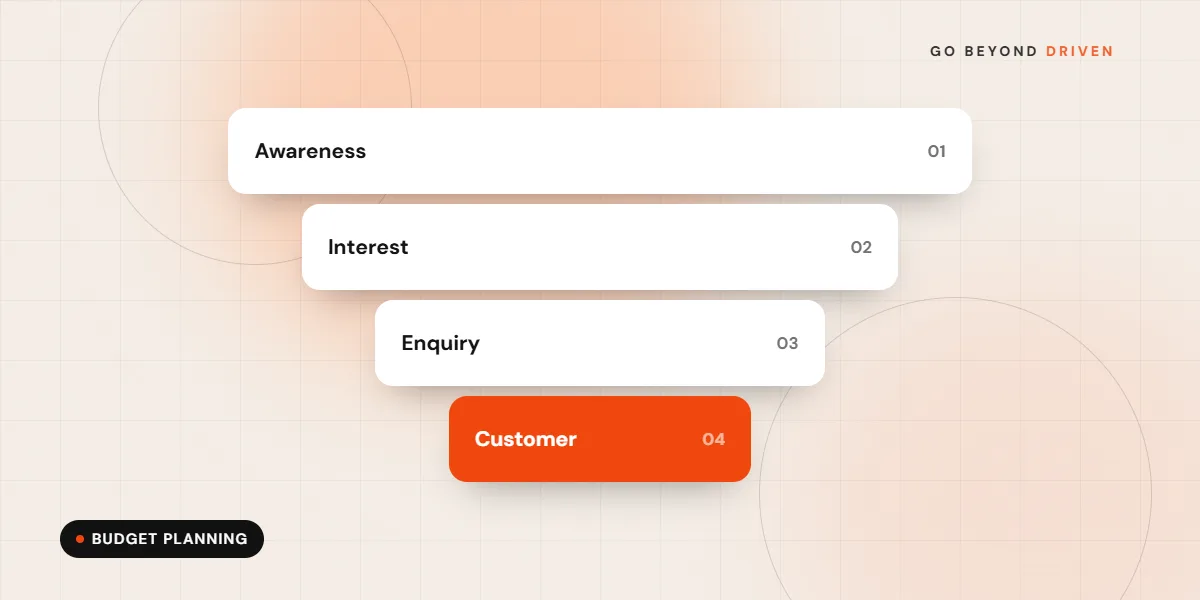
Start from the outcome. If you need 40 qualified enquiries a month and you know that roughly one in five enquiries becomes a customer, you can work backwards to what a lead is worth to you. That tells you how much you can sensibly spend on content and ads combined. A neighbourhood business might be well served by a starter package and a small local ad budget. A growing service brand in BKC or Andheri may need a growth package with steady ad testing.
D2C brands and real estate projects usually need bigger budgets, because competition for attention is intense and a large share of results comes from paid campaigns supported by strong creative. Whatever your stage, commit to at least three to six months before judging results. Social media compounds: the first month sets up systems, the second and third months produce learnings, and the real gains usually show once the content and ads have been refined.
Red Flags and Pricing Mistakes to Avoid
Be careful with packages that look too cheap for what they promise. Thirty posts a month for a very low fee usually means generic templates, recycled stock images and captions nobody has thought about. Be wary of any agency that guarantees followers, likes or viral results, since those can be bought and are worthless for a real business. Avoid long lock-in contracts without a performance review, and never agree to the agency owning your page, ad account or creative files.
On your side, the most common mistake is choosing purely on price and then expecting full-service results. Another is cutting the ad budget so low that campaigns never get enough data to learn. A third is changing agencies every two months, which resets progress each time. Set clear goals, agree on the numbers you will review together and give the plan enough time. Our guide on how to choose a social media agency covers the questions to ask before you sign.
Walk away if you see:
How Can You Get More Value From the Same Budget?
Give your agency good raw material. Share product details, customer questions, team availability for shoots and honest feedback on what your customers say. Approve the content calendar quickly so the team is not working under pressure. Reuse strong assets: one good shoot can supply Reels, carousels, stories, ads and website images for weeks. Ask for a monthly review that focuses on enquiries and sales, not just reach. Our article on social media marketing strategies explains how to keep every post tied to a goal.
FAQs: How Can You Get More Value From the Same Budget?
Can I start with a small social media budget?
Yes. Start with one or two platforms, a consistent posting rhythm and a small ad test. Increase spend only behind content and campaigns that show real results.
How soon should I expect results?
Early signals such as better engagement often appear within the first month or two. Steady enquiries and sales usually take three to six months of consistent work and testing.
Final Thoughts
The right social media budget is the one that matches your goal, your stage and the scope of work you actually need. Compare quotes on deliverables, ownership and reporting, not just the monthly fee, and keep ad spend separate and visible in your own account. If you would like a clear, honest estimate for your business, book a free marketing audit with Go Beyond Driven. We will review your current social presence, recommend a scope and give you a transparent quote. Call +91 91378 79539 or email gobeyonddriven@gmail.com to get started.