Digital marketing for chartered accountants and lawyers means building an informative, credible online presence that helps people find the right professional, understand their problem and make contact, while staying within the rules set by their professional bodies. Unlike a shop or a salon, these professions cannot freely advertise, solicit work or promise results. The Bar Council of India restricts advocates from advertising and soliciting, and the Institute of Chartered Accountants of India has its own code on publicity. This guide shows what you can usually do, such as publish educational content and maintain a factual website, what to avoid, and why you should verify the latest rules before acting.
Can chartered accountants and lawyers do digital marketing in India?
Yes, within limits. Both professions operate under rules that restrict solicitation and promotional claims. In practice, many firms maintain websites with factual information, publish educational articles, keep professional profiles and respond to enquiries. What they avoid is advertising that offers inducements, boasts about results, compares themselves with colleagues or solicits individual clients. Where the rules are unclear, a written query to the regulator is better than guessing.
Rules are updated and interpreted over time, so treat this article as general information rather than legal or regulatory advice. Before launching anything, read the current guidelines from your regulator, ICAI for chartered accountants and the Bar Council of India or your State Bar Council for advocates, and consult them when in doubt. A cautious approach protects your licence and your reputation.
What should you avoid in professional services marketing?
Avoid anything that looks like soliciting: paid ads that urge people to hire you, cold calls, unsolicited WhatsApp messages or emails to potential clients, discounts or fee offers, claims of being the best or number one, win-rate or success-rate statements, and client testimonials or case results presented as promotion. Do not name clients or share confidential details, even in anonymised stories that could be identified.
Also avoid misleading phrases and comparisons with other professionals. Do not guarantee outcomes such as tax savings, refunds or case wins. Be careful with paid sponsored placements and influencer-style promotion. When something feels like an advertisement rather than information, pause and check the rules or ask your professional body.
Usually risky for these professions:
What can a professional firm publish on its website?
A factual website normally covers who you are, your qualifications and registration details, your areas of practice, your office address and contact details, and how to arrange a consultation. Add profiles for partners, their education and professional experience stated plainly, and details of the firm's structure. Keep language neutral and accurate.
Add a privacy policy, a disclaimer explaining that the site is for information and not advice, and a clear note that viewing the site does not create a professional relationship. Make the site mobile-friendly and easy to read, since many visitors arrive anxious or confused. Our guide on business website essentials lists structure and trust basics. Have a partner review each page before publishing, and keep a record of who approved it and when.
How does educational content build trust without soliciting?
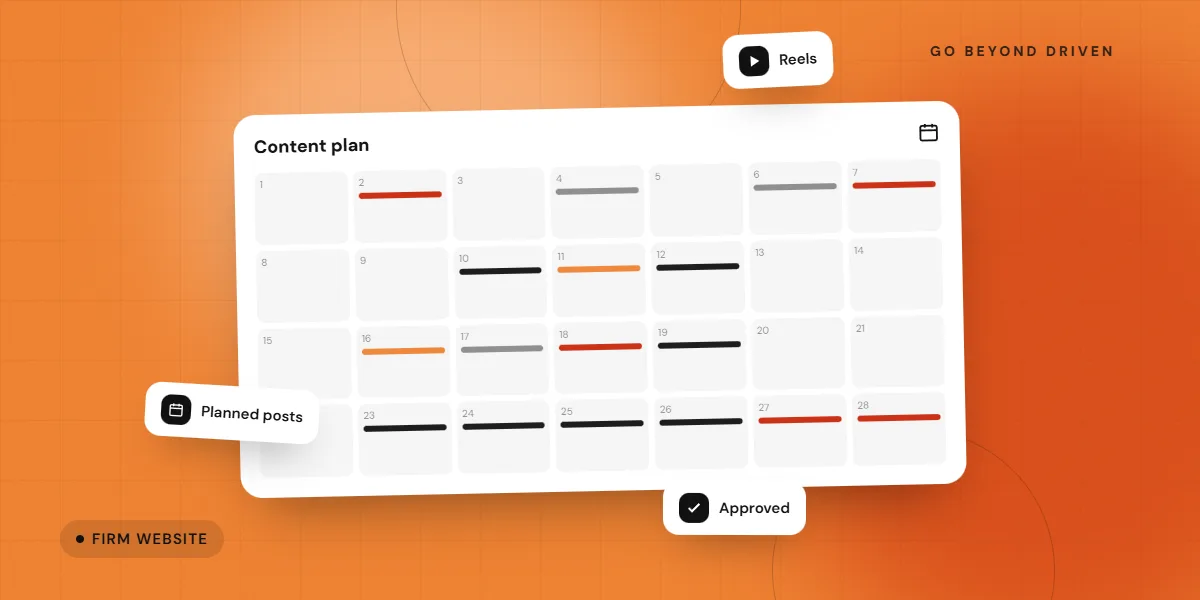
Helpful articles explain topics in plain language, so readers understand their situation before contacting anyone. A CA might explain GST registration thresholds in general terms, how advance tax works, the difference between old and new income tax regimes, what documents are needed for a company incorporation, or how to prepare for a tax notice. A lawyer might explain how a property agreement is structured, the stages of a civil case in general terms, or what a legal notice is.
Keep content general, accurate and dated, and update it when laws change. Do not present articles as personal advice. Cite official sources such as government notifications where possible. Our guide to writing FAQ content and content marketing agency page explain how to produce such material. Include a sentence at the end of each article suggesting that readers consult a qualified professional about their own situation.
FAQs: How does educational content build trust without soliciting?
Can I answer legal or tax questions in blog posts?
General educational explanations are usually acceptable, but avoid giving advice on a specific person's situation online and include a disclaimer. Check your regulator's current guidance.
How often should I update articles?
Review them whenever there is a relevant change in law, thresholds or due dates, and at least once a year. Show the last updated date.
How do you appear in search for CA or lawyer near me?
Local search is how many people find professionals. Create and verify a Google Business Profile with the correct category, address, hours, phone number and a factual description. Keep details consistent across your website and directories. Respond to questions and reviews in a professional, confidentiality-conscious manner. Do not ask clients to review you in ways that breach your rules; check what your body permits.
On your site, create pages for each practice area and the locality you serve, such as GST services in Borivali or property law in Dadar, written informatively with no promotional claims. Technical SEO, speed and clear headings help. Read our local SEO services in Mumbai page and the Google Business Profile optimisation guide.
What about LinkedIn and social media?
LinkedIn suits professionals, because it allows you to share knowledge, comment on regulatory changes and build a network. Publish short explainers, summaries of new notifications and commentary on public developments, framed as information. Use a professional tone and avoid promotional language, offers or client names.
On Instagram, YouTube and X, educational short videos can reach a broader audience, such as small business owners wanting to understand GST filing deadlines. Keep each post factual and avoid sensational claims. Review comments carefully, since people may share private details; ask them to contact you through official channels. Our guide on founder personal branding on LinkedIn offers useful principles. Check that profile photos, bios and headlines across platforms are consistent and factual.
Safe-leaning content formats:

How should you handle enquiries, privacy and confidentiality?
Treat the website enquiry form as the start of a confidential relationship. Collect only the information you need, such as name, contact details and a brief topic, and tell people not to send sensitive documents until engagement is agreed. Use secure hosting, HTTPS and clear data protection practices consistent with Indian law.
Reply promptly and professionally, set expectations about consultation fees if you charge them, and avoid giving advice before understanding the matter. Keep records of enquiries. Use WhatsApp Business for scheduling and basic communication if clients prefer it, but move sensitive discussions to appropriate channels. Store enquiry forms on a secure system and limit access within the office.
Can firms use ads, webinars and events?
Advertising rules are stricter than for information, so approach paid promotion very carefully. Some firms avoid paid ads entirely and rely on search visibility, content and professional networks. If you consider any paid activity, review the regulations first and get written clarity where possible.
Webinars, seminars and talks on topics of public interest are common ways to share expertise, especially when hosted by industry associations, chambers of commerce or colleges. Keep them educational and avoid selling services from the stage. Publish recordings or summaries on your site as informational resources, where your rules allow. Choose speakers and topics that serve the audience first.
How do you measure success without chasing leads aggressively?
Track what fits an information-led approach: organic search visibility for relevant topics, profile views, enquiries received, consultations booked, time on helpful pages and the share of enquiries that match your practice areas. Ask new clients how they found you, and note the answer.
Review quarterly and update content that has aged. Strengthen pages that attract the right enquiries and remove outdated material. Over time, a steady library of accurate, useful content builds recognition and referrals, which is how many successful practices grow. Avoid chasing short-term spikes, and focus on being useful when people look for answers.
Final thoughts
Digital marketing for chartered accountants and lawyers works best as a quiet, careful practice of publishing useful information and being easy to find. Check your regulator's current rules, keep claims factual and let your knowledge build trust. For a review of your website and search presence, book a free marketing audit with Go Beyond Driven, call +91 91378 79539 or email gobeyonddriven@gmail.com.