
Content marketing for real estate means publishing useful guides, videos and updates that answer what property buyers and investors actually want to know, so they trust you before they visit a site. A home is the largest purchase most families make, and decisions take months. Buyers in Mumbai research locations, builders, RERA registration, loans, possession timelines and resale value across Google, YouTube, Instagram and WhatsApp groups before speaking to anyone. Brands that help during this research stage are remembered at the moment of enquiry. This guide covers the topics buyers search, formats that build confidence, rules to follow for compliance, how to link content to lead capture and how to measure whether it brings serious site visits and not just clicks.
Why does content marketing work for real estate?
Property buying is high value, high risk and slow. People compare many options, ask relatives and worry about delays and paperwork. Content reduces that anxiety. A clear guide on how possession works, or a video showing the actual neighbourhood at 9 am on a weekday, answers questions that brochures avoid.
It also compounds. A well-made locality guide can bring enquiries for years, unlike an ad that stops when spend stops. Paid campaigns still matter, and our real estate digital marketing work combines both, but content gives ads something credible to land on.
What do property buyers search for before they enquire?
Buyer questions cluster around a few themes: price and budget, location and connectivity, the builder's track record, legal and RERA status, loan and taxes, and living conditions. Typical searches include what is carpet area versus built-up area, is this locality good for families, how much stamp duty and registration will cost, and what to check in an under-construction flat.
Collect real questions from your sales team, site visit forms, WhatsApp chats and Google autocomplete. Group them by stage: early research, shortlisting and decision. Each question that appears more than a few times deserves an answer page, video or post. Avoid guessing what buyers care about when your own team hears it daily.
Do not forget the post-purchase questions. Existing buyers ask about registration, society formation, maintenance deposits and handover. Answering these publicly shows prospects what happens after they sign, which is often the question they are afraid to ask directly. Collect these from your customer care team and resident groups.
Question themes buyers keep asking:
Which content types build trust fastest?
Specific, visual and honest content does best. Locality guides covering schools, hospitals, markets, train and metro access and daily commute times show you know the area. Buyer checklists for under-construction and ready homes help people who fear mistakes. Project walkthrough videos, construction progress updates and site tour reels show real work instead of renders.
Include explanations of costs: what is included in the price, what is extra, how GST on under-construction property and registration charges work. Keep the facts current and cite sources like RERA portals or government notifications. Our real estate website design features article explains how to present these pages clearly.

How do you write locality and project pages that rank?
A good locality page answers the question as a resident would. Cover the connectivity by road, rail and metro, nearby schools, hospitals, malls and offices, typical lifestyle and the pros and cons honestly. Add a map, real photos and a short section on who the area suits, such as young professionals, joint families or retirees.
Use natural phrases buyers type, like 2 BHK in Kandivali East or flats near Thane station, without stuffing. Every project page should have the RERA number, configuration, status, amenities, price range where permitted and a simple enquiry form. See our guide on SEO for real estate websites for the technical setup.
FAQs: How do you write locality and project pages that rank?
How long should a locality guide be?
Long enough to answer buyer questions fully, often 1,000 to 2,000 words with images and a map. Quality and accuracy matter more than word count.
Should I publish prices on content pages?
Show price ranges where permitted and keep them updated. Clear numbers help qualified buyers. Always follow your legal and RERA guidance on how to present them.
What video content works for property marketing?
Video suits real estate because buyers want to see space, light and surroundings. Useful formats include sample flat walkthroughs, site and neighbourhood tours, construction updates every month, short explainers on loans and registration, and customer or resident stories with permission.
Film on a phone with stable footage and clear audio before spending on drones and production. Publish on YouTube and Instagram, and embed the best clips on project pages. Show real surroundings, including the road outside and the commute, because overly polished films can feel misleading. Our Instagram marketing for real estate developers post covers formats for the platform.
Add captions or subtitles to every video, since many viewers watch muted, and keep each clip focused on one question, such as how far the station is on foot or what the society amenities look like in the afternoon. Short, specific clips are easier to share in family WhatsApp groups.
How do you keep real estate content RERA-compliant?
Check with your legal advisor before publishing, as rules vary and change. In general, display the RERA registration number on project promotions, avoid exaggerated or unverifiable claims about returns, possession dates or approvals, and make sure images and renders are described honestly as artist impressions where applicable.
Do not promise appreciation or guaranteed rental yields. Present facts and let buyers decide. Keep records of the sources for every claim, update content when project status changes, and remove outdated offers. Compliance protects both buyers and your reputation, and sloppy claims can lead to complaints.
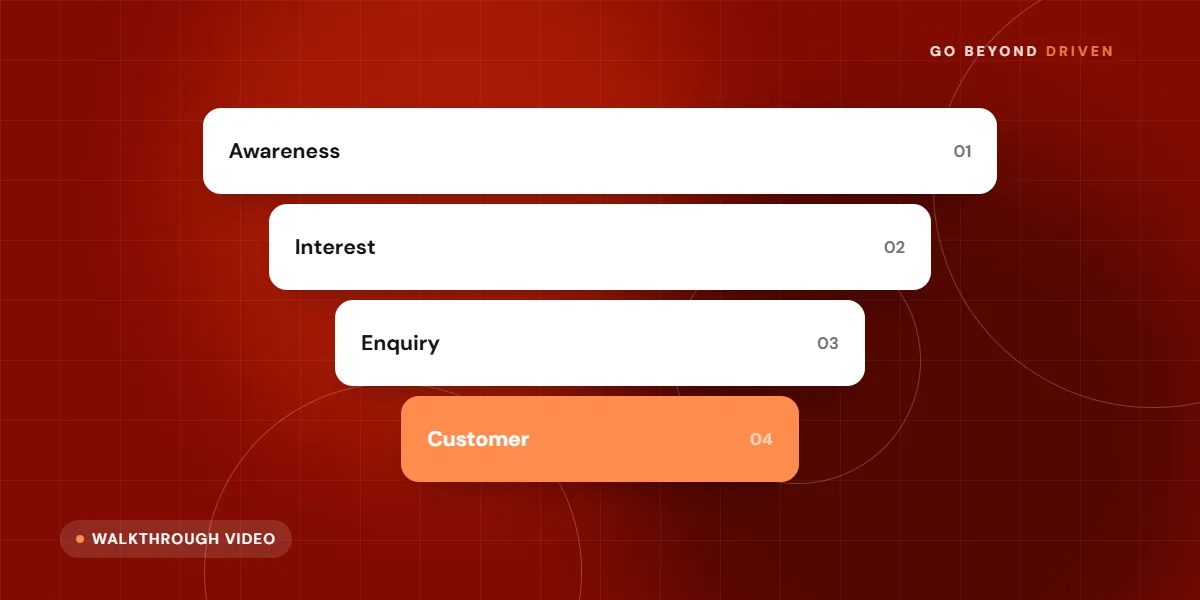
How do you turn content readers into site visits?
Add a clear next step to every page. A guide to home loan eligibility can offer a calculator or a call with a loan partner. A locality page can offer a site visit slot with pick-up from the nearest station. A construction update can invite followers to book a progress visit.
Capture enquiries through short forms, call buttons and WhatsApp, and respond quickly, since slow replies lose buyers. Follow up with useful material, not repeated pitches. Our article on real estate lead generation explains how to qualify enquiries so site visits are with serious buyers.
Useful calls to action:
What does a monthly real estate content plan look like?
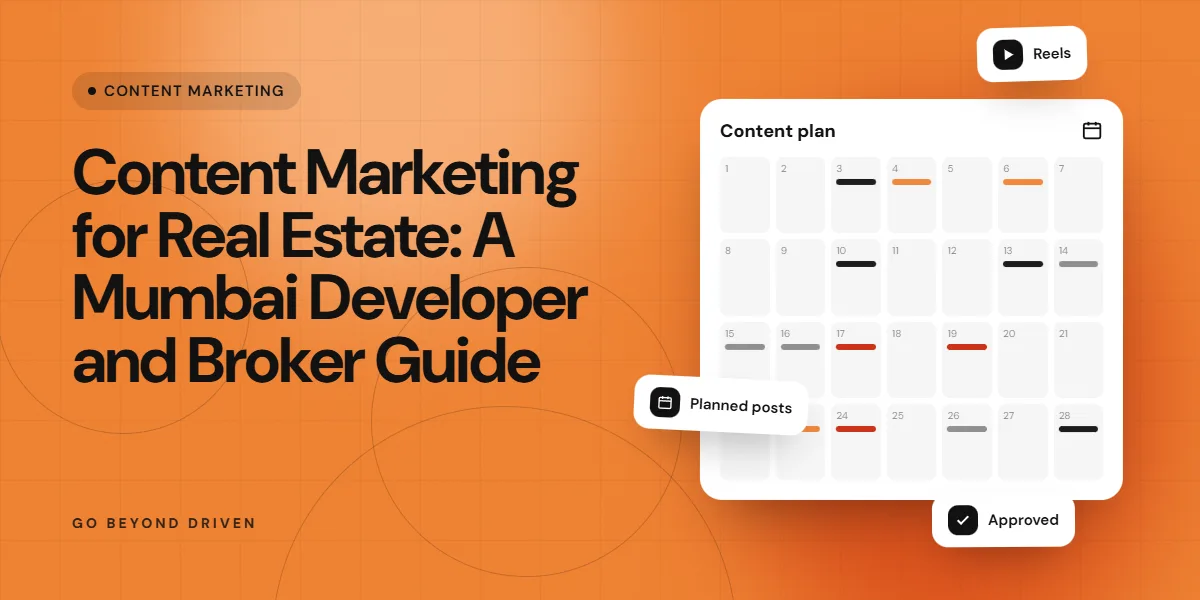
A small team can manage a simple plan: one in-depth guide or locality page, two short videos such as a walkthrough and a Q and A, four to eight social posts, one email or WhatsApp update to enquiry lists and a monthly construction update for existing projects. Align timing with festive periods such as Gudi Padwa, Akshaya Tritiya and Diwali, when purchase intent often rises.
Review monthly. Note which pages get enquiries, which videos get watched and which questions sales still hear that content has not answered. Refresh older pages when prices, metro lines or policies change. Consistent, accurate updates are worth more than occasional big campaigns.
How should developers and brokers differ in their content?
A developer owns the story of a project, so content should show progress, quality and transparency: construction milestones, material choices, approvals and answers to common doubts about delays. Buyers also want to meet the people behind the project, so short videos from the project head or site engineer can build confidence that a brochure cannot.
A broker or consultant owns the comparison. Your value is knowing several projects, localities and price points, so write guides that help people decide, such as comparing two neighbouring areas for commute, schools and rental demand. Keep opinions honest and mention trade-offs. Buyers trust an adviser who says a project is not right for a particular budget far more than one who praises everything.
Both should publish resident and client stories only with written permission, and never use another builder's images or project names without rights. Original photos and videos of your own sites are safer and more convincing. Original material also avoids any dispute over image rights or misleading comparisons.
Final thoughts
Content marketing for real estate works because it answers the questions that stop people from enquiring. Build locality guides, buyer checklists and honest project updates, stay compliant and make the next step easy. If you would like help planning and producing it, Go Beyond Driven offers content marketing services for builders, brokers and consultants in Mumbai. Start with a free marketing audit, call +91 91378 79539 or email gobeyonddriven@gmail.com.