Local SEO ranking factors are the signals Google uses to decide which businesses appear in the map pack and local results when someone searches for a service near them. Google says local results are based mainly on three things: relevance, distance and prominence. You cannot change where the searcher stands, but you can influence the other two, and quite a lot of the work is unglamorous: accurate listings, the right categories, consistent details and genuine reviews. This guide explains each factor in plain words, shows which ones you control, and gives an order of work that suits a business in Mumbai or anywhere else in India.
What are the main local SEO ranking factors?
Google names three: relevance, distance and prominence. Relevance is how well your profile matches what the person typed. Distance is how far you are from the searcher, or from the location they named. Prominence is how well known and trusted you appear, judged from reviews, links, mentions and your wider web presence.
Everything else you hear about is a way of feeding one of those three. A correct category helps relevance. A verified address helps distance calculations. Reviews and local press feed prominence. Keeping that frame in mind stops you from chasing small tricks and helps you decide what deserves the next hour of work.
The three signals in one line each:
How does relevance work in local search?
Relevance is mostly decided by your Google Business Profile: the primary category, secondary categories, services listed, business description and the words customers use in reviews. If you are a dentist who also does orthodontics, the primary category should reflect the main service and the secondary ones the rest. A wrong primary category is one of the most common reasons a good business stays invisible.
Your website supports this. A page for each core service, with the locality named naturally in the title, headings and body, tells Google what you do and where. Avoid stuffing a list of fifty areas into the footer. Write pages a real customer would find useful, such as a clinic page that mentions the station, parking and timings.
Reviews carry relevance too. When customers write that a salon in Bandra handled bridal trials well, or that a CA in Borivali was quick with GST filing, Google reads those phrases as evidence of what you do. You cannot script reviews, but you can ask specific questions in your follow-up message, such as which service they used, so the feedback is naturally descriptive.
Does distance matter, and can you change it?
Distance matters a lot, and you cannot change it quickly. A searcher in Powai sees businesses near Powai first, even if a stronger competitor sits in Andheri. Search for the same phrase from two streets apart and the order can differ. This is why rank checks done only from your own office can mislead you.
What you can do is make sure your pin and address are exact, and that service area settings are honest. If you travel to customers, such as a plumber or a photographer, define the areas you truly serve. Do not use a virtual office address in a prime locality: it breaks Google's guidelines and risks suspension.
What does prominence include?
Prominence is Google's sense of how established you are. Review count, average rating and how recent the reviews are all play a part, as do links from local websites, mentions in news or directories, and general brand searches. A business that people search for by name tends to be treated as better known.
Offline reality counts too. Well known places such as a landmark clinic or a heritage restaurant often rank easily because the web reflects their real reputation. For everyone else, prominence is built steadily: earn reviews, join local associations, sponsor a community event, and make sure each mention carries your correct name, address and phone number.
Prominence is also why a new competitor can appear above you for a few streets and vanish a kilometre away. Do not read that as a penalty. It is simply the radius where their mix of closeness and reputation beats yours. The practical lesson is to track rankings from several points around your service area, not one.
FAQs: What does prominence include?
Are reviews really a ranking factor?
Yes. Google says review count and score influence local ranking. Reviews also help conversion, because people compare ratings before they call. Quality, recency and genuine content matter more than a sudden spike.
Do keywords in my business name help?
They can influence rankings, but your name must match your real-world signage. Adding keywords to the name breaks the guidelines and can get your profile suspended.
How important is NAP consistency and citations?
NAP means name, address and phone number. When these details match across your website, Google profile, Justdial, Sulekha, IndiaMART where relevant, and industry directories, Google can be confident the business is real and located where you say. Differences such as Shop 4 versus Shop No. 4 matter less than a wrong phone number or an old address.
Citations alone rarely win the map pack today, but errors can hold you back. Audit the top ten places where your business is listed, correct what is wrong, and remove duplicates. A duplicate profile at a former address is a classic problem for businesses that moved within Mumbai.
Also check the less obvious places: the Facebook page, the Instagram bio, WhatsApp Business profile, your invoices and any marketplace listings. Customers see these too, and a mismatched phone number on one of them quietly sends calls to the wrong place. Keep one master document with the exact name, address, timings and categories, and copy from it every time.
Which on-page and technical signals support local rankings?
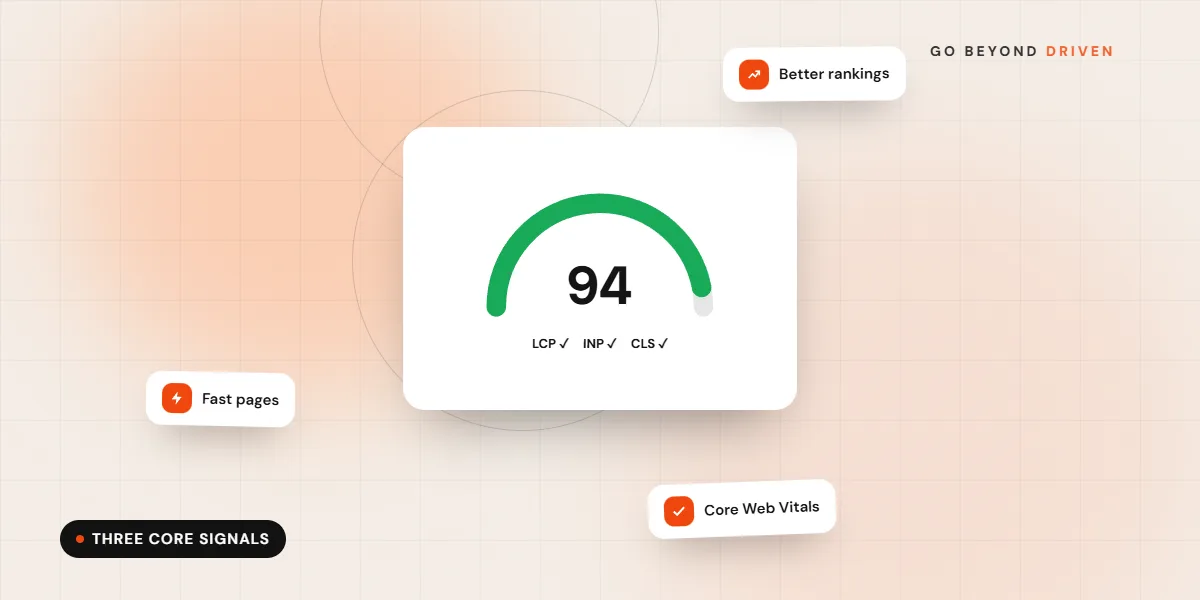
Your website still supports your map pack position. Include the same NAP as your profile, an embedded map, local schema markup, clear service pages and a fast mobile experience. Most local searches in India happen on phones, often on mobile data, so slow pages lose both rankings and calls.
Link your profile to the most relevant page, usually the homepage for a single location or a dedicated location page for each branch. Add photos, opening hours and a short note about parking or the nearest station. These details answer practical questions, and they are the kind of local detail that generic competitors rarely bother with.
Website basics for local visibility:
What behavioural signals does Google see?
Google observes how people interact with your profile: calls, direction requests, website clicks, photo views and bookings. It is not public exactly how these are weighed, so treat claims of precise weighting with caution. What is sensible is to make those actions easy and to give people reasons to take them.
Add a booking or WhatsApp link, post offers during Diwali or Ganeshotsav, keep hours accurate during holidays, and respond to questions quickly. A profile that is active and useful is more likely to earn engagement, and engagement tends to travel with good rankings, even if we cannot prove which causes which.
Track these actions inside your profile insights each month, and compare them with real enquiries in your CRM or call log. If profile calls rise while real enquiries do not, the problem may be what happens after the call, such as missed calls during lunch hours or slow replies on WhatsApp, and not your ranking at all.
What should you fix first for the biggest local lift?
Work in this order. First, claim and verify the profile and fix the primary category. Second, correct NAP errors and duplicates. Third, complete the profile: services, hours, attributes, photos and description. Fourth, build a steady process for asking happy customers for reviews. Fifth, strengthen the website pages that back each service and location.
Only then think about citations, local links and posts. Many businesses start at the bottom of this list because it feels like real SEO, then wonder why a half-finished profile is stuck on page two. If you want detailed steps, our guides to Google Business Profile optimisation and getting more Google reviews cover the first four.
Final thoughts
Local SEO ranking factors look long on paper, but they reduce to relevance, distance and prominence, and most of the controllable work is simple and repeatable. Fix the basics, stay consistent and track calls and direction requests rather than only rankings. If you would like a clear view of where your business stands, request a free marketing audit from Go Beyond Driven, or see how our SEO team in Mumbai approaches local visibility.