
To get cited by Perplexity AI, publish pages that answer a specific question clearly, let Perplexity's crawler reach them, and back them with signs of trust such as accurate details, named authors and mentions elsewhere. Perplexity is an answer engine that searches the web for each question and lists numbered sources beside its reply, which makes it more openly citation based than many tools. That is good news for businesses with useful content. This guide explains how it works as publicly described, what to fix on your site, and how to measure results, with honest hedging wherever the platform has not revealed its method.
How does Perplexity choose which sources to cite?
Perplexity takes a question, searches the web, reads what it finds and writes a short answer with numbered citations you can click. Its own documentation describes this retrieval approach, but it does not publish a ranking formula. So we only know the general pattern: sources that closely match the question, load properly and state things clearly tend to be used.
Perplexity also offers different modes, such as quick answers and deeper research, and you can often see more sources in the longer ones. Results change from run to run. Treat each citation as a bonus earned by usefulness rather than a rank you hold. That mindset keeps your work honest and sustainable.
Does Perplexity SEO differ from Google SEO?
Mostly it builds on it. Google rewards pages that satisfy a search and a site people trust, and the same signals help Perplexity find and trust you. The difference is the format of the output: Perplexity quotes or summarises passages, so a clear, self-contained answer matters more than a long page designed to hold attention.
That makes sections more important than whole pages. A single paragraph that answers one question completely, with a heading that matches it, is what gets lifted. If you already follow good on-page SEO practice, you are further ahead than you think.
Perplexity also lets users narrow a search to certain kinds of sources, such as academic or discussion sites, and ask follow-up questions in a thread. That means your page may be used for a sub-question you did not target directly. Covering related questions on one topic, and linking them together, widens the ways a reader or an answer engine can land on you.
Can PerplexityBot reach your website?
Check robots.txt and your firewall. Perplexity documents its crawler, PerplexityBot, which it says is used to surface and link websites in answers rather than to train models. If you block it, or your host or security plugin blocks it silently, your pages are less likely to appear. Perplexity also documents a separate user agent for fetching pages when a user asks about a specific link.
Review the current documentation on Perplexity's site before editing, as details can change. Make sure key pages return normal status codes, load quickly, are not locked behind logins and show their main text in plain HTML. If you use a content delivery network with bot protection, confirm that it is not treating legitimate crawlers as threats.
What kind of content gets cited?
From what practitioners widely observe, Perplexity often cites pages that are specific, recent and well organised: explainers, comparisons, statistics pages with a clear source, pricing breakdowns, glossary style definitions and local guides. Forums and review sites also appear when people ask for opinions, which shows the value of being discussed in trusted places.
Pick queries where you have real knowledge. A Mumbai CA firm could publish a clear guide to GST registration thresholds with a last updated date, while a clinic might explain what a procedure involves and typical recovery. Do not copy competitors. Add something only you can say, such as your process, local rules, honest cost ranges or common mistakes.
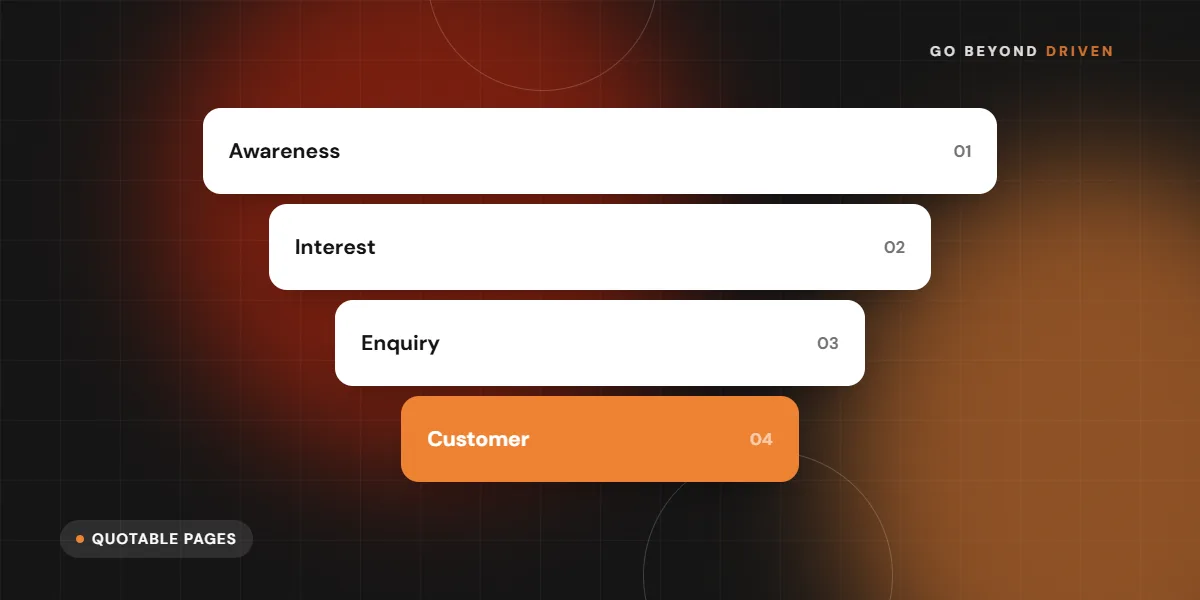
Qualities of a quotable page:
How do you structure a page for Perplexity?
Use one main question per page, then related subquestions as headings. Open each section with a one or two sentence answer, followed by explanation, an example and any caveat. Add short tables for comparisons and bullet lists for steps. Keep paragraphs short enough that one can stand alone as a quote.
Cite your own sources where you use facts, link to official pages, and avoid claims you cannot support. A page that is careful and transparent is more likely to be trusted by both people and machines. For a deeper framework, read our answer engine optimization guide.
Be careful with statistics. If you publish a figure, say where it came from, when it was measured and what it covers. Invented or unsourced numbers are a quick way to lose credibility, and answer engines that cross-check claims may skip pages that look unreliable. Where you have no data, describe the situation in words and give honest ranges instead.
FAQs: How do you structure a page for Perplexity?
Should I add an FAQ section for Perplexity?
Yes, if the questions are real and the answers are complete in two to four sentences. Do not stuff pages with invented questions. Each answer should make sense without the rest of the page.
Do word counts matter?
Not directly. Completeness and clarity matter. A 600 word page that fully answers one question can beat a 3,000 word page that wanders.
Why do brand mentions and reviews matter?
Perplexity answers often pull from a mix of sites, including news, directories, forums and review platforms. If your business is described accurately across several of those, there is more evidence about who you are and what you do. This is widely observed rather than officially detailed, so keep expectations modest.
In practice, keep your Google Business Profile complete, answer reviews, and make sure your name, address and services read the same across your site and listings. Contribute to relevant industry sites, give quotes to journalists where you can, and take part honestly in communities your customers use. Never post fake reviews, which can cause lasting harm.
How can you track Perplexity citations and traffic?
In GA4, look for referral traffic from perplexity.ai and review it monthly. Not every visit carries a referrer, so treat the figure as a minimum. Add a question to enquiry forms or calls, such as how did you hear about us, with an option for AI tools.
Run a manual test list as well. Write down 20 to 30 questions your buyers ask, search them in Perplexity every few weeks, and note whether you are cited, what is cited instead and what those pages do well. Look at trends rather than single results, since the same question can return different sources. Share findings with whoever writes your content.
When should you hire help to get cited by Perplexity?
Bring in a specialist when you have good basic SEO but need help auditing crawler access, restructuring content into quotable sections, building credible mentions and tracking citations across several AI tools. It is especially useful in trust-heavy fields such as health, finance, legal and education, where being quoted accurately matters.
At Go Beyond Driven we handle this through our AI search optimisation agency service, working with your wider SEO programme in Mumbai. We review access, rewrite priority pages, clean up your brand details and set up reporting. We will not promise citations, because no one controls them, but we can improve your chances and show you the evidence.
It also helps to keep a simple log of changes. Note the date you rewrote a page, added a table or fixed crawler access, then compare citation tests before and after. Without that record it is easy to credit the wrong change, or to miss that an improvement came from something unrelated, such as a news mention.
Signs it is time to get help:
Final thoughts
Getting cited by Perplexity AI is a by-product of doing the basics well: accessible pages, direct answers, honest detail and a reputation that exists beyond your own site. Start with your five most valuable questions, fix access, rewrite for clarity and measure for a quarter. If you would like a candid review of your site, book a free marketing audit with Go Beyond Driven, call +91 91378 79539 or email gobeyonddriven@gmail.com.