

The LinkedIn algorithm is the set of ranking systems that decides which posts appear in each member's feed and in what order, based on what LinkedIn predicts that person will find relevant and worth engaging with. It is not one formula and it is not public in full, so much of what you read online is guesswork. For a business owner, the useful question is not how to beat the algorithm but how to get your posts in front of the right buyers. This guide separates what LinkedIn and its engineers have said publicly from popular myths, explains what that means in practice for profiles and company pages, and gives you a six-week test plan to learn what works for your own audience.
How does the LinkedIn algorithm work, in plain words?
The LinkedIn algorithm works by filtering out spam and low-quality posts, then ranking the remaining posts for each member according to predicted relevance and engagement. LinkedIn's engineering team has described this over the years as several stages: content is checked by classifiers, candidate posts are gathered from a member's network and interests, and machine-learning models score and order them.
The signals involved include who the member is connected to or follows, how they have interacted with the author before, what topics they engage with, the content of the post itself and how other people are responding to it. LinkedIn has also written publicly about using dwell time, meaning how long people spend on a post, as a signal of interest. The exact weights are not published and change often, so treat any specific number you read online with caution.
What has LinkedIn said publicly about its feed?
LinkedIn has said in public statements and interviews that it wants the feed to favour knowledge and advice, posts from people members actually know, and conversations that are meaningful rather than forced. It has also said it tries to reduce content designed only to bait engagement, such as posts asking people to comment a word to boost reach, and it has acted against automated engagement.
LinkedIn's User Agreement prohibits bots and automated methods for activities such as sending messages or adding connections, and its Professional Community Policies set out what counts as spam or misleading content. Beyond these, much of what is shared as 'the new LinkedIn algorithm update' comes from creators running their own tests. Some of it is useful, but it is observation, not documentation, and results differ by industry and audience.
What LinkedIn has signalled it values:
Which LinkedIn reach tips are myths or unproven?
Several popular tips are unproven or overstated. The 'golden hour' rule, that a post must collect engagement in its first hour or it dies, is widely repeated but not documented by LinkedIn; early responses probably help, yet strong posts often keep spreading for days. The claim that editing a post after publishing kills its reach is also unconfirmed. Hashtags are often treated as essential, though they appear to matter far less than they once did.
External links are the most debated. Many creators observe lower reach for posts with links, and some put links in the first comment instead. LinkedIn has not confirmed a penalty, and the effect, if any, likely varies. Rather than following rules, test them on your own account: try a few posts with the link in the post and a few without, and compare reach and clicks over several weeks.
FAQs: Which LinkedIn reach tips are myths or unproven?
Does posting time matter on LinkedIn?
It can matter a little, because your audience needs to be online. Many Indian professionals check LinkedIn on weekday mornings and lunch breaks, but check your own analytics.
Do engagement pods work?
They may lift numbers briefly, but the engagement comes from the wrong people and LinkedIn discourages coordinated or automated activity. Buyers matter more than pod reactions.
Why is my LinkedIn reach low?
Low LinkedIn reach usually comes from one of four causes: a small or mismatched network, posts that do not hold attention, irregular posting, or content that reads like an advert. If most of your connections are college friends or vendors, your posts are shown to them first, and they may not engage with a post about industrial pumps. Reach starts with the network you build.
Attention is the next issue. A vague opening line, a wall of text or a stock image gives people no reason to stop. Posts that only announce things, such as 'We are delighted to share our new brochure', also tend to struggle because they offer readers little. Finally, if you post once every few months, people have little history of interacting with you, so the system has less reason to show your posts.
How does the algorithm treat company pages versus personal profiles?
Company page posts often reach fewer people organically than posts from personal profiles, because members tend to engage more with people than with brands, and LinkedIn has said it prioritises people members know. This is widely observed among Indian B2B businesses too: the founder's post about a new plant often travels further than the same news on the company page.
That does not make the page useless. Pages give credibility, host job listings, run ads and collect followers who see updates over time. A practical setup is for the owner and key team members to post from their own profiles and for the page to share useful content with added context. Our guides to LinkedIn company page optimization and employee advocacy on LinkedIn cover both sides.
What should business owners do to get more reach on LinkedIn?
Business owners get more useful reach by building the right network, posting things buyers want to read and taking part in conversations. Connect deliberately with buyers, partners and peers in your target industries after meetings, trade fairs and calls, with a short personal note. A network of 800 relevant people is worth more than 8,000 random ones.
Write posts that hold attention: a specific opening line, one idea, short paragraphs and a genuine example. Comment thoughtfully on posts by your buyers and industry voices, since comments put your name in front of their audiences. Reply to comments on your own posts quickly. Post on a steady rhythm you can keep, and use formats such as document carousels and short native videos when they suit the message, not because a rumour says they are favoured.
Habits that tend to help reach:
Worked example: a six-week reach test for an IT services firm
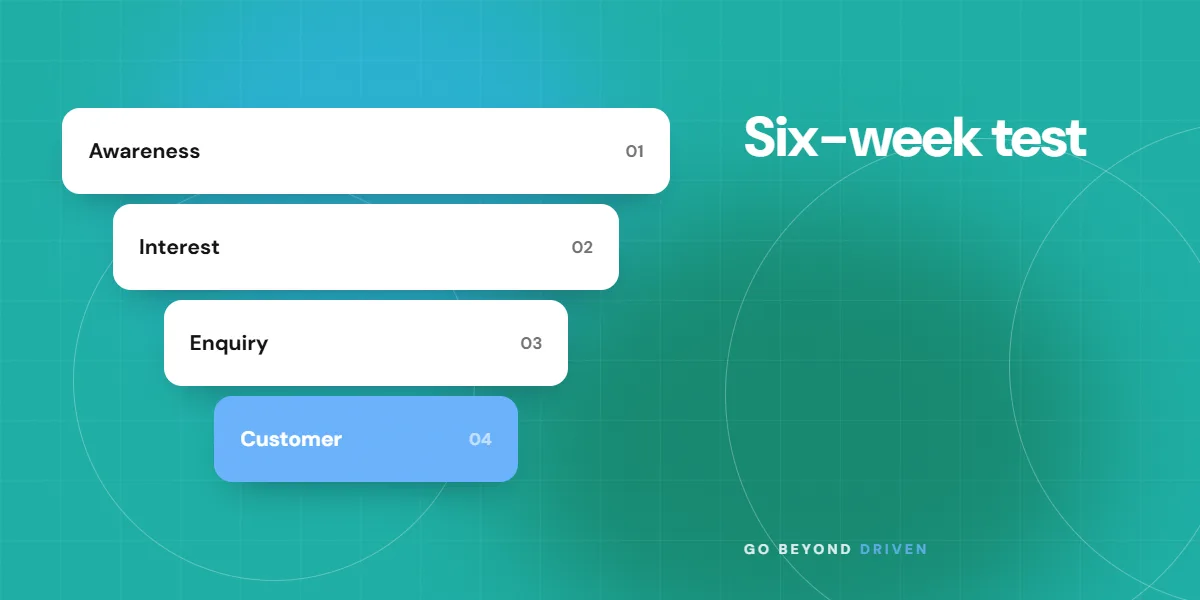
Say the founder of a hypothetical IT support company in Powai gets a few hundred impressions per post and no enquiries. He runs a six-week test. Weeks one and two: he connects with 15 relevant office managers and finance heads a week with personal notes, and posts twice a week on topics such as 'what to check before renewing your annual maintenance contract'. He comments on five buyer posts each weekday.
Weeks three and four: he keeps that routine and tests format, posting one document carousel and one text post each week. Weeks five and six: he tests links, putting the website link in the post for one post and in the comments for another. He records impressions, profile visits, comments from target buyers and messages in a simple sheet. The decision at the end is based on which combination brought buyer conversations, not which got the most likes. These numbers are illustrative; your own results will differ.
How should you measure whether the algorithm is working for you?
Measure business outcomes alongside reach. LinkedIn's post analytics show impressions, reactions, comments, reposts and, for many accounts, profile views and follower growth over time. These tell you whether posts are being seen. They do not tell you whether the right people are seeing them.
Add three checks of your own each month: how many comments came from people who could buy from you, how many direct messages or enquiries mentioned a post, and how many meetings or quotes followed. A post with modest reach that brings two qualified conversations beats a viral post that brings none. Our guide to LinkedIn content strategy covers the full set of metrics worth tracking.
When should you get help with LinkedIn reach?
Get help when you have tried posting regularly for a few months and still see little reach among buyers, when you cannot find time to post and engage, or when you want a structured plan across the owner's profile, team profiles and the company page. An outside team can audit your network, rewrite your profile, plan content around buyer questions and run disciplined tests instead of chasing rumours.
Go Beyond Driven helps business owners and B2B teams as a LinkedIn marketing agency in Mumbai. We build the plan, write and design posts with you, guide engagement routines and report on the conversations LinkedIn produces. We do not promise viral reach, because nobody can, but we focus on reaching the people who matter to your business.
Final thoughts
The LinkedIn algorithm rewards what members find relevant and worth their time, and the details keep changing. Rather than chase hacks, build a relevant network, write posts that hold attention, join real conversations and test claims on your own account. If you would like an honest review of your LinkedIn presence, Go Beyond Driven offers a free marketing audit, or you can call or WhatsApp +91 91378 79539.


