
For most businesses, SEO takes around three to six months to show clear progress and six to twelve months to deliver steady leads or sales, depending on competition and your starting point. Local SEO for a single location in a moderate category can move faster, sometimes within weeks for map rankings. A new website in a crowded national market can take a year or more. These are typical patterns, not promises, because no one controls Google. This guide breaks down a realistic month by month timeline, explains what makes SEO faster or slower, shows the early signs that your campaign is working, and lists the mistakes that quietly add months to the wait.
How Long Does SEO Take to Show Results?
The honest answer is that it depends, but the dependencies are predictable. Search engines need time to crawl and reassess your pages after each change, and they compare you with competitors who are also improving. Ranking movement often starts within the first two to three months, especially for long tail searches with lower competition. Meaningful traffic and enquiries usually follow from months four to six, and the strongest returns tend to arrive after the first year.
Think of SEO like building a reputation in a new neighbourhood. The first few months are spent fixing the shop, putting up a clear signboard and meeting people. Then word starts to spread. A business owner in Andheri who expects page one for a competitive term in thirty days will be disappointed, while one who tracks steady progress against a twelve month plan usually ends up with a channel that keeps delivering long after the initial work.
A Realistic Month by Month SEO Timeline
Month one is mostly groundwork: a technical audit, keyword research, competitor analysis, tracking setup in Google Analytics 4 and Search Console, and a prioritised plan. Months two and three focus on fixing technical issues, optimising key service or category pages, improving your Google Business Profile and publishing the first pieces of new content. At this stage you may see more impressions and early ranking gains for specific, long tail searches.
Months four to six are where traction usually shows. Pages climb from page two or three toward page one, organic clicks rise and the first measurable enquiries arrive. From months six to twelve, consistent content, internal linking and link earning build authority, so harder keywords start to move and lead volume becomes more reliable. After a year, SEO tends to compound: older content keeps ranking, new pages index and rank faster, and cost per lead often falls.
Typical SEO milestones:
What Factors Change How Long SEO Takes?
Competition is the biggest variable. A physiotherapy clinic in Mulund competes with a handful of local practices, while a fintech app targeting 'personal loan' competes with banks and national brands with huge budgets. The authority of your domain matters too. Older sites with genuine backlinks and a history of useful content respond faster than brand new domains, which Google needs time to trust. The type of search matters too. Specific searches such as 'GST registration consultant in Dadar' usually move faster than broad, high volume terms, because fewer strong pages compete for them.
Your website's technical state can speed up or block everything. A site with indexing issues, slow mobile pages or duplicate content must be fixed before content work pays off. Content volume and quality matter as well, since publishing one thin post a month moves slowly compared with regular, well researched pages that answer real questions. Finally, consistency counts. Campaigns that pause every few months lose momentum, while steady work, even on a modest budget, usually beats short bursts of intense activity.
How Long Does Local SEO Take Compared With National SEO?
Local SEO is usually the fastest way to see results. Fixing your Google Business Profile category, details, photos and reviews can improve map visibility within a few weeks, because you are competing within a small radius rather than with the whole country. Our guide to local SEO and Google Business Profile explains those quick wins. Competitive local categories, such as dentists in Bandra or restaurants in Lower Parel, still need a few months of consistent reviews and content.
National SEO takes longer because you compete with established brands, marketplaces and publishers across India. An ecommerce store or SaaS company targeting high volume searches should plan for nine to eighteen months before the hardest keywords move meaningfully. The good news is that national campaigns often find early wins in specific, lower competition searches. These bring qualified traffic while the bigger terms build, so you do not wait a full year to see any return.
FAQs: How Long Does Local SEO Take Compared With National SEO?
Can I rank on Google Maps in a month?
Sometimes, if your category is not very competitive and your profile had obvious gaps that you fix. In busy categories and areas, expect two to four months of steady reviews and updates.
Is national SEO worth it for a small business?
If you sell online or serve clients across India, yes. Start with specific, lower competition topics where you can genuinely be the best answer, then expand as authority grows.
Does SEO Take Longer for a New Website?
Yes, usually. A new domain has no backlinks, no ranking history and no record of satisfying users, so Google takes longer to trust it. In the first few months a new site may index and appear for its brand name and very specific searches, but competitive terms often take six to twelve months or more. This is normal and not a sign that something is broken, as long as pages are being indexed.
You can shorten the curve. Launch with a solid technical setup, complete service pages, a verified Google Business Profile and a clear internal linking structure. Earn early mentions from industry associations, partners, suppliers and local media. Target a focused set of specific keywords first rather than the broadest term in your industry. If you are redesigning an existing site instead, keep your URLs or redirect them properly, so you do not lose the authority you already built over the years.
What Early Signs Show That SEO Is Working?
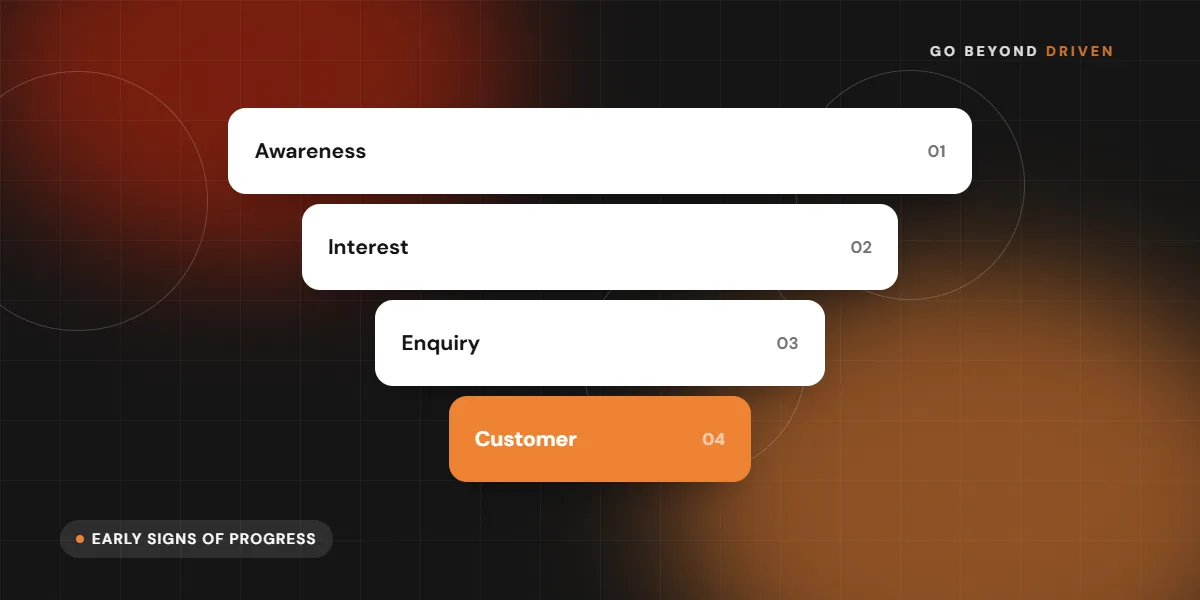
Rankings and leads are lagging indicators, so look at leading ones first. In Google Search Console, impressions usually rise before clicks, because your pages begin appearing for more searches even at lower positions. Watch the number of queries you appear for, the average position of your priority pages and how many of your pages are indexed. Steady growth in these numbers over the first three months is a healthy sign.
Next, look for movement from page three to page two and then into the top ten for your target terms. Check whether branded searches are rising, which often happens as more people discover you. On the business side, track calls, WhatsApp clicks and form submissions from organic search in GA4. When early wins appear on long tail keywords, it usually means the site is gaining trust, and broader terms tend to follow with continued effort.
Agree on a short monthly report that shows these signals side by side. A simple view with impressions, clicks, average position for ten priority pages and organic enquiries is enough for most owners. It keeps the conversation focused on direction rather than single day rankings, and it helps you spot early if something has stalled. If impressions are flat after three months of real work, that is the moment to ask questions, not month eleven.
How Can You Speed Up SEO Results Safely?
Start with the pages closest to page one. Search Console shows queries where you already rank in positions eight to twenty, and small improvements to those pages, such as better titles, clearer answers, more depth and stronger internal links, often move them up within weeks. Fix technical blockers early, especially indexing problems and slow mobile pages, because they hold back every other effort. Then choose keywords you can realistically win, using a process like the one in our keyword research guide for small businesses.
Publish consistently and refresh older content rather than only adding new posts. Earn genuine links through useful resources, local partnerships and media features. While SEO builds, use paid search to fill the gap. Google Ads can bring leads from day one and also shows which keywords convert best, which helps prioritise your SEO work. Our performance marketing team often runs both together so neither channel works in isolation. Finally, make decisions quickly. Approving content and fixes within days instead of weeks is one of the simplest ways to bring results forward.
Why Do Rankings Go Up and Down During SEO?
Rankings rarely climb in a straight line. Google tests pages in different positions, rolls out core updates several times a year and constantly reassesses competitors. It is common to see a page jump to page one, drop back for a few days, then settle. Seasonal demand also changes traffic. Searches for wedding venues, festive gifting or admissions in Mumbai rise and fall at predictable times of the year, which can look like SEO problems when it is simply demand.
Judge progress over months, not days. Compare the same period year on year where possible, and look at overall trends across many keywords rather than one favourite term. If a sudden, sustained drop happens, check Search Console for manual actions, indexing issues or recent site changes, and review whether a core update has rolled out. Most fluctuations need patience rather than panic, but large drops deserve a proper investigation. Keeping a simple log of site changes, content updates and known Google updates makes it much easier to explain what happened and decide what to do next.
Mistakes That Make SEO Take Longer
The most expensive mistake is stopping too early. Many businesses switch agencies or pause SEO at month three, just as the groundwork begins to pay off, then restart from zero later. Another is chasing the single biggest keyword in the industry instead of building authority through specific topics first. Buying cheap backlinks, publishing thin AI generated content without editing, and ignoring technical issues also slow everything down or invite penalties.
Slow approvals are a hidden delay. When content waits weeks for sign off, or developers take months to implement fixes, the timeline stretches accordingly. Changing the website frequently without SEO input, such as removing pages or changing URLs, undoes progress. Finally, measuring only rankings leads to poor decisions. Agree on clear business goals, such as qualified enquiries per month, and track them alongside leading indicators so everyone understands progress honestly.
Avoid these timeline killers:
FAQs: Mistakes That Make SEO Take Longer
Can SEO results disappear if I stop?
Results usually fade gradually rather than overnight. Competitors keep improving, so without maintenance your pages can slip. A lighter maintenance plan often protects rankings after the main growth phase.
Will AI content speed up SEO?
AI can help with drafts and research, but unedited content rarely ranks well. Content that adds real expertise, examples and accurate detail performs better and builds trust faster.
Final Thoughts
SEO is a long term channel, but it is not a mystery. Expect groundwork in the first month, early movement by months two to three, clear traction by month six and compounding returns after the first year, with local campaigns often moving faster. Track leading indicators, stay consistent and support SEO with paid search while it builds. To understand budgets alongside timelines, read our guide to SEO cost in Mumbai, or see how our SEO company in Mumbai plans campaigns.
Want a realistic timeline for your own website? Book a free marketing audit and we will review your site, competitors and current rankings, then estimate what can move in the next three, six and twelve months. Call +91 91378 79539 or email gobeyonddriven@gmail.com. A clear plan with honest milestones makes it far easier to stay patient and to recognise real progress when it starts to show up in your numbers.