
Google Ads for small business is a way to show your ad to people at the exact moment they search for what you sell, and to pay only when they click. It suits owners who need enquiries within weeks, from a physiotherapy clinic in Borivali to an exporter in Navi Mumbai. It also punishes loose setups: wrong keywords, no tracking and a weak landing page can burn a modest budget quickly. This guide walks through which campaign type to start with, how to structure the account, what to track, how to run the first month and which mistakes small advertisers make most often.
Is Google Ads worth it for a small business?
It is worth it when people already search for what you offer, your profit per customer can cover the cost of getting one, and your team can respond to enquiries quickly. A plumber, a dental clinic, a CA firm or a tuition centre usually meets all three. A brand-new product that nobody searches for may do better with social ads first.
Run a quick test before committing. Search your service the way a customer would, in Mumbai and your own area. If several advertisers appear, buyers are active. Then estimate whether the numbers work, using the process in our article on Google Ads cost in India.
Which Google Ads campaign type should a small business start with?
Start with a Search campaign. It shows text ads when someone types a query, so it captures people who are already looking. You choose keywords, write ads and send visitors to a page built for the enquiry. It is the easiest type to control and to understand.
Smart campaigns are a simplified option that Google offers to new advertisers, but they give you less control over keywords and reporting. Performance Max can work later, once you have conversion data. Display and YouTube suit awareness and retargeting, not first-time lead generation on a small budget. Our guide to Performance Max campaigns explains when to graduate.
Campaign types in order of use:
How do you choose keywords that bring buyers, not browsers?
Choose phrases that show buying intent, such as 'pest control Andheri', 'CA for GST registration' or 'wedding photographer Thane price'. Avoid single broad words like 'photography' or 'insurance', which attract students, job seekers and curious people. Use phrase match and exact match to keep control, and be careful with broad match until you have good conversion data.
Build a negative keyword list from day one: free, jobs, salary, course, training, DIY, PDF and the names of services you do not offer. Review the search terms report weekly and add new negatives. Our guide to negative keywords in Google Ads explains this in detail.
Think about wording as well as keywords. In Mumbai, people mix English with Hindi or Marathi, so check whether searches such as 'near me', 'kitne ka', or the local area name appear in your search terms. Add the variants that bring real enquiries, and keep ad copy in the language your customers expect to read.
How should you structure a small Google Ads account?
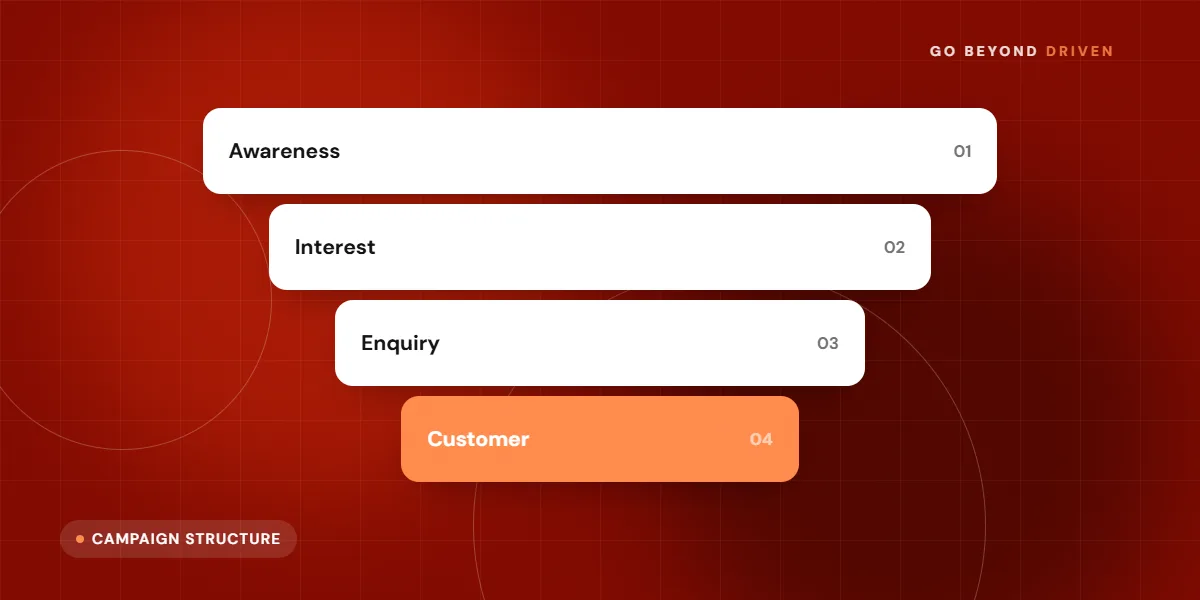
Keep it simple. One campaign for each main service or location, with two to four ad groups per campaign, each holding a tight set of related keywords. Write ads whose headlines mention the exact service and area, and send each ad group to the most relevant page. A single campaign with every service mixed together makes testing and budget control nearly impossible.
Set the location to the places you can serve, using the setting for people in or regularly in those places. If you serve Western suburbs, do not target the whole of India. Add the languages your customers use and consider Hinglish keyword variants. Schedule ads for hours when someone can answer calls, unless you handle forms and WhatsApp after hours.
FAQs: How should you structure a small Google Ads account?
How many keywords should I start with?
Twenty to forty well chosen keywords across a few ad groups is plenty. More keywords spread a small budget thin and make it hard to see which terms are working.
Should I turn on Display and Search Partners?
For a first Search campaign, most small advertisers do better by switching Display off and testing Search Partners separately. Check performance before leaving either on.
What must you set up before spending a rupee?
Set up conversion tracking first. Track form submissions, phone calls from ads, calls from the website, WhatsApp clicks and purchases if relevant. Without this, Google cannot learn which clicks produce enquiries, and you cannot judge results. Link Google Ads with GA4 and Search Console, and test each conversion yourself.
Then prepare the landing page. It should match the ad promise, load fast on mobile, show the main offer above the fold, include proof such as reviews and real photos, and offer easy ways to contact you, such as a short form, call button and WhatsApp. Our conversion tracking setup guide and landing page design best practices cover both.
Pre-launch checklist:
How much should you spend and how should you bid?
Pick a budget you can sustain for at least two to three months, as the first weeks are for learning. Work out the cost of a lead from your expected cost per click and conversion rate, and make sure the daily budget can buy enough clicks to produce some enquiries each week. A budget that gives one click a day teaches you nothing.
At the start, manual or limited-control bidding can protect a small budget while you collect data. Once you have a steady number of conversions in a month, you can test automated strategies such as Maximise Conversions, then add a target cost per action. Judge bidding by cost per enquiry, not cost per click.
Remember the add-ons to your plan: GST on ad spend, any agency fee and the cost of fixing your landing page if it needs work. Keep the budget steady for the whole test period, because stopping and starting weakens learning and makes results hard to read. If you must adjust, change it by modest amounts rather than doubling overnight.

What does a realistic first month look like?
Week one is launch and watch: confirm tracking works, check that ads are approved and look at the first search terms. Week two is cleaning: add negatives, pause keywords that spend without response and fix any landing page friction. Weeks three and four are testing: try a second ad version, adjust bids by location or device, and compare which services bring better enquiries.
Keep notes of every change with the date. Avoid changing many things daily, because it resets learning and hides what helped. Judge the month by enquiries and their quality, not only clicks. Ask your team which calls were serious and which were wrong fits.
At the end of the month, list every enquiry with its source keyword, whether it became a customer and the revenue it brought. Even rough notes show which services deserve more budget and which should be paused. This simple habit is the difference between hoping ads work and knowing which part of the account pays for itself.
Which mistakes waste a small Google Ads budget?
The most common ones are sending traffic to the homepage, skipping negatives, targeting too wide an area, letting Google's suggestions automatically apply, not tracking calls and giving up after a week. Another is missing leads: a clinic that does not answer calls during peak hours pays for clicks that go nowhere.
Be cautious of anyone promising a fixed number of leads or the top position. Results depend on competition, offer and follow-up. Also check how the account is managed: you should own the account, see the reports and receive explanations in plain language.
When should you hire a Google Ads agency?
Consider help when your monthly ad spend is meaningful, you lack time for weekly reviews, you have a strong offer but unclear results or you want to expand to several services or cities. A good agency sets up tracking, builds the structure, tests ads, manages budget and reports honestly.
Ask what the fee covers, who will work on the account and how success is judged. See how our Google Ads agency in Mumbai approaches this, and compare with the broader performance marketing services we offer for businesses that want to run several channels together.
A good test of any agency is whether it will show you search terms, spend by campaign and the actual enquiries received, and whether it will explain changes in plain words. You should leave the relationship with your account, your data and your tracking intact, whether or not you continue.
Final thoughts
Google Ads for small business works when it is run with discipline: start with Search, choose high intent keywords, keep the structure tidy, track every enquiry, send traffic to a focused page and review weekly. Grow only what you can show is profitable. If you want a second opinion on your account or a plan for a new one, book a free marketing audit with Go Beyond Driven or call +91 91378 79539.