Digital marketing for jewellery brands is the practice of using search, social media, ads, WhatsApp and a trustworthy website to bring buyers to your store or online shop. Jewellery is different from most products: tickets are high, purchases are emotional and often tied to weddings, festivals and gifting, and buyers want to see, touch and trust before paying. That means your online presence has to prove authenticity and craftsmanship, not just show pretty pictures. This guide covers how a jeweller in Mumbai or anywhere in India can plan content, run ads, handle enquiries and measure what is turning into footfall and sales, whether you run a family showroom, a designer label or a D2C brand.
Why is jewellery marketing different from other retail?
Jewellery is a high-trust, high-value purchase. A buyer spending lakhs on a necklace for a wedding wants proof of purity, hallmarking, fair making charges and a store that will stand behind the piece. Many also compare gold rates daily and take advice from family. Decisions can take weeks, with several visits and a lot of WhatsApp discussion.
So the job of marketing is not only to generate clicks but to reduce doubt. Show certification, explain making charges and buyback or exchange policies clearly, and let customers meet your people on video. Brands that make trust visible usually convert better than those that only post catalogue photos.
Timing is the other difference. Demand clusters around Akshaya Tritiya, Dhanteras, Diwali and the wedding months, and a family may start shortlisting bridal sets half a year ahead. A jeweller who shows up only at the festival misses the long research phase. Plan content and light advertising across the whole buying window, then intensify close to the peak when intent is highest.
How do you build trust for a jewellery brand online?
Display hallmark and certification details, explain how you source and check stones, and give a plain description of making charges, wastage and exchange terms. Add real customer photos with permission, genuine reviews on Google and short videos of the store, the workshop and the person who will serve them. A visible address, phone number and store hours help people believe you exist.
On your website, include size guides, care instructions, a clear return or exchange policy and secure payment options. For high-value items, offer a video call to view pieces. These details lower the fear of being cheated, which is often the biggest barrier. Do not exaggerate purity or origin claims; accurate statements protect your reputation.
Staff matter here too. Introduce the store manager or senior salesperson on your pages and in videos, because people prefer to walk into a shop where they already recognise a face. A short welcome video that explains how a first visit works, how long it takes and what to carry for a gold exchange can remove a surprising amount of hesitation.
Trust signals worth showing:
What should a jewellery website include?
A jewellery website needs sharp, zoomable photographs from several angles, honest weight and dimension details, filters by occasion, budget, metal and design, and a simple way to enquire or visit. Even if you do not sell online, a catalogue with the starting price range helps serious buyers decide to come in. Add a store locator page with maps, parking notes and opening hours for each branch.
Speed matters because jewellery images are heavy. Compress them without losing detail and test on a normal mobile connection. Offer a WhatsApp button on each product so shoppers can ask about availability. If you plan to sell online, read our guide on ecommerce website development before choosing a platform.
How do you get a jewellery shop found on Google?
Most buyers search with local intent, such as jewellery shop near me, gold jewellery in Borivali or diamond showroom in Zaveri Bazaar. Your Google Business Profile should have correct categories, photos of the storefront and displays, current hours (especially around festivals) and replies to reviews. Add products to the listing where possible.
Then support it with web pages for each branch, collection and common query, like bridal jewellery, mangalsutra designs, lightweight daily wear or silver gifts. Link them together and keep details consistent across directories. Our local SEO services in Mumbai cover the listing, reviews and local pages in detail.
FAQs: How do you get a jewellery shop found on Google?
Should every branch have its own Google listing?
Yes. Each physical showroom should have its own profile with a correct address, phone number and hours. This helps customers find the nearest branch and improves local search visibility.
Can I show gold prices on my website?
You can, but only if you keep them accurate and updated. A stale rate damages trust. Many jewellers link to a daily rate page or tell customers to confirm by phone.
How can Instagram and Reels sell jewellery?
Instagram suits jewellery because the product is visual. Reels showing a piece being worn, light catching a stone, a bride trying a necklace or a styling tip for a saree can reach many new people. Carousels work for collection launches and comparison, such as everyday studs versus occasion wear. Use clear captions with the occasion, material and an invitation to message or visit.
Keep the look consistent so the brand is recognisable. Show the craftspeople, the design process and the store team to add warmth. Collaborate with local stylists, makeup artists and wedding planners rather than only chasing big influencer reach. For ideas on structure, see our Instagram Reels strategy for Mumbai brands.
Which ads work for jewellery brands?
Google Search ads catch active buyers searching for specific items or stores. Google Shopping and Performance Max can help if you have an online catalogue. Meta ads help with discovery and retargeting: show a new collection to women in your catchment, then follow visitors who viewed a design with reminders and an invitation to the store.
For showroom-led businesses, the goal can be store visits or calls rather than online checkout. Use lead forms, click to call and click to WhatsApp ads, and measure how many enquiries become visits. Build a simple process to log who came in from which campaign. Our Google Shopping ads guide explains product feeds and setup.
Seasonal moments to plan around:

How can WhatsApp turn enquiries into store visits?
WhatsApp is where many jewellery decisions happen. Set up a business profile with a product catalogue, quick replies for common questions and a short greeting that mentions store hours. Respond fast, because buyers who message several shops usually go with the one that answers first and clearly.
Once someone enquires, offer a time to visit and a personal consultation, and share photos or short videos of shortlisted pieces. With permission, send updates on new collections or festive offers to past customers, and anniversary or birthday reminders for gifting. Avoid blasting the same message to everyone. Read our guide to WhatsApp catalogue for business to set it up.
What content ideas suit jewellery brands?
Educational posts earn trust: how to read a hallmark, the difference between 18 and 22 carat, how to care for diamonds, how to choose a ring size, or what to ask before buying bridal sets. These also answer common searches and can be reused as short videos, carousels and website pages.
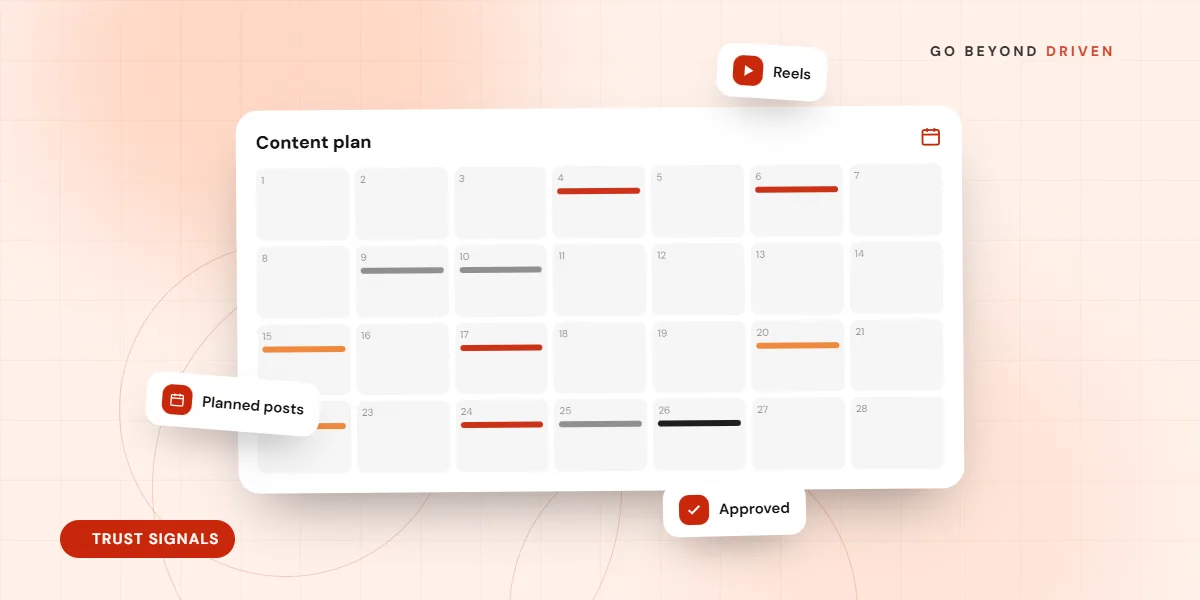
Add styling content such as how to wear a long necklace with a kurta, light jewellery for office, or gifting by budget. Share customer stories where permission exists, and festival guides. Keep a content calendar tied to weddings and festivals so you post before the rush rather than during it.
Reuse each idea in several formats. A single explainer on gold purity can become a blog page, a Reel, a carousel, a WhatsApp status and a short answer on your Google profile. This keeps effort manageable for a small team and lets each piece reach people on the platform they prefer, while the message stays consistent.
How do you measure success in jewellery marketing?
Measure the full path: enquiries, calls, WhatsApp chats, store visits, sales and average bill value. Ask walk-ins how they found you and record it in a simple sheet or CRM. Compare cost per enquiry and cost per sale by channel, remembering that jewellery sales can take weeks to close.
Review monthly and compare with the same season last year. If Instagram brings many chats but few visits, the problem may be follow-up speed or pricing clarity. If Google brings fewer but better enquiries, shift budget gradually. Judge marketing by sales and margin, not likes.
Final thoughts
Digital marketing for jewellery brands works when it makes buyers feel safe and inspired: show proof, show craftsmanship and make it easy to talk to a person. Start with your Google listing and WhatsApp responses, add strong visual content, then use ads at festive and wedding peaks. If you would like a clear review of your online presence, Go Beyond Driven offers a free marketing audit. Call +91 91378 79539 or email gobeyonddriven@gmail.com.