To build an audience before launching a business, pick one specific customer, start posting about their problem and your building process three to six months before opening, and invite interested people into a waitlist or WhatsApp community you can message on launch day. The aim is not followers for their own sake. It is a group of people who already know you, have told you what they want and are waiting to buy. Doing this changes a launch from shouting into silence to opening the door to people who are expecting you. This guide covers how early to start, who to target, what to post before you have a product, how to run a waitlist properly, which platforms to use, and how to tell when the audience is ready to buy.
Why build an audience before you launch?
Building an audience before you launch gives you buyers on day one, real feedback before you spend on stock or fit-outs, and a cheaper start for any ads you run later. A business that launches to nobody has to buy every first customer through paid ads, often at a high cost because there is no social proof yet.
A pre-launch audience also tests your idea. If people do not respond to posts about the problem you solve, that is a cheap warning before you sign a lease in Bandra or print five thousand boxes. If they do respond, their comments give you the words to use in your launch copy. Our guide on how to promote a new business on social media covers launch week itself. This post is about the months before it.
How early should you start building an audience?
Start building an audience at least twelve weeks before launch, and ideally three to six months before. Twelve weeks is usually enough to post consistently, collect a small but warm waitlist and test an offer or two. Shorter than that, and most of your effort goes into setting up profiles rather than building trust.
Line the start date up with your launch plan. A business opening just before Diwali or wedding season should start the audience work while the plan is still flexible, because those weeks are noisy and expensive to advertise in. Check this year's festival dates and work backwards. Pair this with a dated task list such as our business launch marketing checklist, so audience building and operations move together.
Who should your pre-launch audience be?
Your pre-launch audience should be the specific people who will buy in the first three months, not friends, family or other founders. Write a one-line description, for example 'working parents in Powai who want healthy snacks for school tiffins', and test every post against it. Friends will like your posts out of kindness, which feels good but tells you nothing.
Then list where those people already gather: local Facebook and WhatsApp groups, society notice boards, Instagram pages they follow, LinkedIn for B2B buyers, school or office communities. Spend part of your time each week joining conversations there as a helpful person, not as a seller. The people who reply to you there are often your first followers and testers.
What should you post before you have a product?
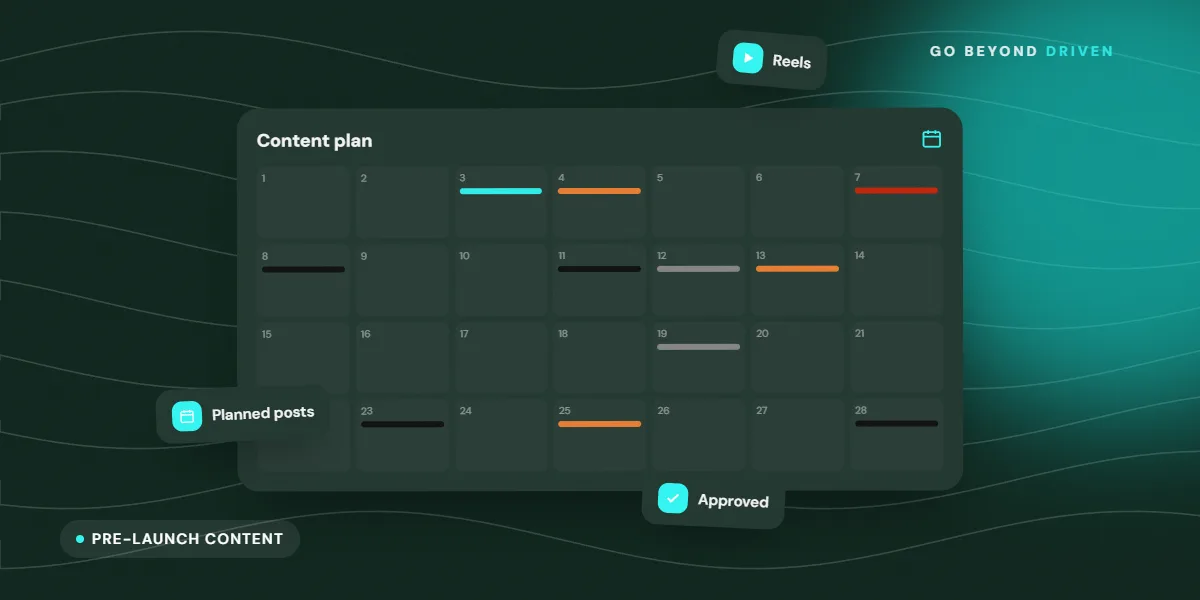
Post about the problem, your building process and the decisions you are making, and ask your audience to help with those decisions. This is often called building in public. It works because people enjoy watching something come to life, and they feel ownership when their vote picks a flavour, a name or a colour.
Good pre-launch posts include why you are starting this business, what frustrates you about the current options, sample testing, supplier visits, packaging drafts, polls on choices and short updates on what went wrong this week. Keep it honest: do not promise dates you cannot keep or claim results you do not have yet. The founder's own story is usually the strongest thread, and our guide to founder storytelling on social media shows how to structure it.
Pre-launch post ideas that build interest:
How do you run a pre-launch waitlist properly?
Run a waitlist by offering a clear reason to join, collecting only the details you need, and saying exactly what people will receive. A reason might be first access, a founding-member price or a free sample at launch. Keep the form short: name, WhatsApp number or email, and one question about what they want most.
Ask for clear consent to message them, explain what you will send and how often, and make it easy to opt out. India's Digital Personal Data Protection Act sets rules on consent and use of personal data, so read the publicly available guidance or ask a professional; this is not legal advice. Message the list every week or two with real progress, not just reminders, so it is still warm when you launch.
FAQs: How do you run a pre-launch waitlist properly?
Should the waitlist be on WhatsApp or email?
For most Indian consumer businesses, WhatsApp gets read more often. Email suits B2B and higher-value products. Many founders collect both and use WhatsApp for launch-day messages.
Is a big waitlist always a good sign?
Not always. A small list of people who reply, vote and ask about price is worth more than a large list collected through a giveaway that attracted prize hunters.
Which platforms work best for a pre-launch audience?
Pick one main platform where your buyers spend time, plus WhatsApp to hold the warmest people. For consumer products, food, fashion, beauty and local services, Instagram is usually the main stage, with reels for reach and Stories for polls and progress. For B2B services, software and consulting, LinkedIn tends to work better, especially from the founder's personal profile.
Do not try to grow five platforms at once before launch. Claim your handle everywhere for safety, then put most of your effort into one. A simple landing page with the waitlist form and a short story helps too, because it gives every post one clear destination and lets you track sign-ups by source.
Worked example: a healthy snack brand in Andheri with 12 weeks to launch
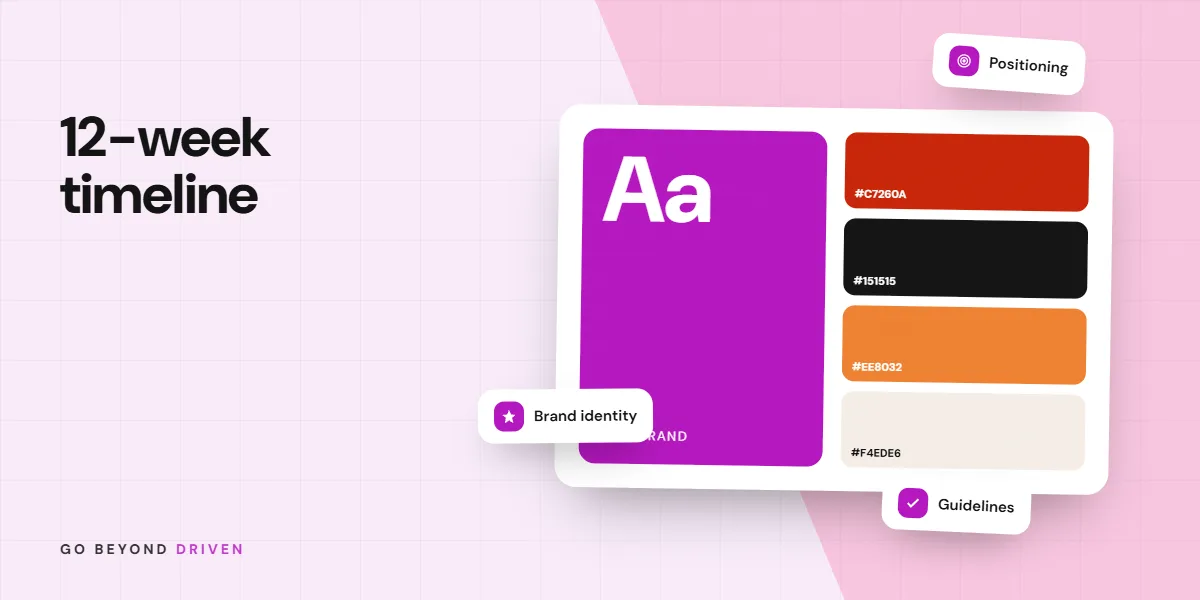
Say a founder in Andheri plans to launch a baked snack brand for school tiffins in twelve weeks. This is a hypothetical example, not a real client. In weeks one to four she posts three reels a week on tiffin struggles, her recipe testing and ingredient choices, and joins four local parent groups where she answers questions without selling. She also opens a simple waitlist offering a free tasting pack at launch.
In weeks five to eight she runs Story polls on flavours, hosts a small tasting in her society with permission, and shares honest feedback, including what failed. In weeks nine to twelve she shows packaging, announces the price, opens pre-orders to the waitlist first and spends a small amount, perhaps Rs 10,000 to Rs 20,000, boosting her best-performing reels to similar parents nearby. She measures success by pre-orders and repeat questions, not follower count.
How do you know the audience is ready to buy?
Your audience is ready to buy when people start asking about price, dates and delivery without being prompted. Other strong signals are replies to waitlist messages, friends tagging each other in your posts, and people asking whether they can order early. Likes and views alone are weak signals, because they cost the viewer nothing.
Test readiness with a small commitment before launch: a paid pre-order, a refundable deposit or a booked tasting slot. If only a handful of people commit, adjust the offer, price or message before launch rather than after. If commitments are strong, plan stock and staff accordingly, because a sold-out first week with angry waiting customers can hurt as much as a slow one.
Signals that buyers are close:
When does it make sense to get help with pre-launch marketing?
Get help when the launch date is fixed, operations are taking all your time and the audience work keeps slipping. A good partner should help you define the first customer, plan twelve weeks of content, set up the waitlist and tracking, and prepare launch-day messages and ads, while keeping you as the visible founder.
Go Beyond Driven's startup marketing team in Mumbai builds pre-launch plans for new brands: positioning, a content calendar built around your real building process, shoot days, waitlist pages, WhatsApp flows and a measured launch-week ad plan. We report on waitlist quality and pre-orders, not vanity numbers.
Final thoughts
Building an audience before launching a business is the cheapest insurance you can buy for opening day. Start early, aim at one clear customer, post about the problem and your process, run an honest waitlist and test commitment before you launch. If you want a second opinion on your pre-launch plan, Go Beyond Driven offers a free marketing audit, or you can call or WhatsApp +91 91378 79539.